

















![[Add-on] Jackery Manual Transfer Switch for Explorer 5000 Plus](http://ca.jackery.com/cdn/shop/files/add-on-jackery-manual-transfer-switch-for-5000-plus-240V.webp?v=1757043692&width=170)














Winter storms in New Brunswick often bring the silence of NB power outages. When the furnace stops and lights flicker out, the loss of heat and well water becomes an immediate reality. Beyond the physical cold, anxiety rises regarding food safety and medical needs. However, preparation transforms vulnerability into control. By utilizing outage tools and securing reliable backup power, you can establish a plan to weather the next storm with confidence.
Mastering NB Power's Outage Tools and Reporting
How Do You Use the Public Outage Map?
Bookmark the official NB Power outages map on your mobile devices immediately to track restoration status. This tool provides a visual representation of the grid, showing affected areas and estimated restoration times. Information is your first line of defence during a blackout.
Understanding the data displayed is crucial for managing expectations. The map aggregates field reports and telemetry from the grid, meaning there is often a slight lag between an outage occurring and it is appearing on the screen. Do not panic if your street does not show red immediately after the lights go out.
For the most accurate status lookup, use your 8-digit account number or the phone number associated with your account. This bypasses the general regional view and provides specific details regarding your service address.
What Is the Most Effective Way to Report an Outage?
Report an outage immediately by calling 1-800-663-6272 or using the online portal if your location does not appear on the map. Do not assume your neighbours have already called. Direct reports help crews pinpoint the fault location faster.
Safety is paramount when assessing the situation outside. Treat all downed lines as energized and lethal. You must stay at least 10 meters (33 feet) away from any wire on the ground or hanging low. Electricity can travel through the ground, making proximity dangerous even without direct contact.
When calling, provide critical details that help prioritize the response. Mention if you see sparking equipment, broken poles, or trees leaning on lines. If anyone at the address relies on electrically powered medical devices, state this clearly to the operator. Keep the emergency contact number saved in your phone for reporting dangerous situations or line issues.
Safety and Preparedness Protocols
What Are the Essential Safety Tips?
Stay at least 10 meters away from downed utility lines and assume they are carrying high voltage. Your behaviour during an outage significantly impacts your safety and the safety of utility crews. Keep children and pets indoors until the area is declared safe.
Protect your home's electrical system before power returns. Turn off major appliances like stoves, electric heaters, and washers. When the grid is re-energized, a sudden surge of voltage can damage sensitive motors and electronics.
Leave one light switch on, both indoors and outdoors. This serves as a signal to you and the repair crews that power has been restored. It prevents the confusion of waking up in a cold, dark house not realizing the electricity is back on.
Food preservation requires discipline. Keep refrigerator and freezer doors closed as much as possible. A customized, unopened refrigerator will keep food cold for about 4 hours. A full freezer will hold its temperature for approximately 48 hours if the door remains shut.
What Should Be in Your 72-Hour Emergency Kit?
A 72-hour emergency kit must support self-sufficiency for three full days. Your kit should cover the following essentials:
- Water: Store 4 liters of water per person per day to cover drinking and hygiene needs.
- Food: Stock non-perishable, ready-to-eat food that requires no cooking, such as canned goods, energy bars, and dried fruit.
- Lighting & Comms: Pack battery-powered flashlights and a hand-crank or battery-operated radio to receive local news updates. Include a reliable battery backup for home to ensure phones remain charged for emergency alerts.
- Medical Supplies: Include a comprehensive first-aid kit, prescription medications, and copies of important medical records. Don't forget specific needs like hearing aid batteries or spare glasses.
- Maintenance: Rotate batteries in flashlights and radios annually. Check the charge levels on power banks or portable stations every three to six months.
Educational Guide to Backup Power Solutions
How Do You Assess Your Power Needs?
Calculate your power needs by summing the running watts (continuous power) and starting watts (surge power) of essential devices. List the items you need to run, such as your refrigerator, well pump, or CPAP machine.
Determine your required runtime. Decide if you only need to charge phones and run LED lights for a few hours, or if you require a system capable of sustaining heating and refrigeration for several days. This distinction dictates the capacity of the battery or generator you need.
Understanding voltage is critical for New Brunswick homes. Standard wall plugs require 120V, but heavy-duty appliances like clothes dryers, baseboard heaters, and well pumps often require 240V. Ensure your backup source matches the voltage requirements of your critical appliances.
Never run fuel-based generators indoors, in garages, or near windows. They produce carbon monoxide, a colorless, odorless gas that can be fatal within minutes. Only battery-powered solutions are safe for indoor use.
Which Backup Power Solution Is Best for Your Home?
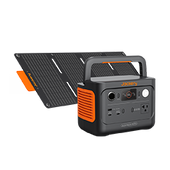
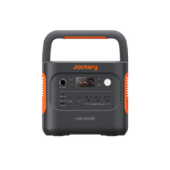
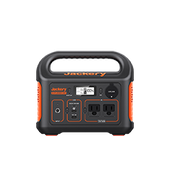
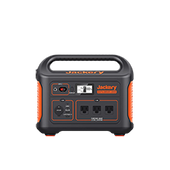
Portable power stations are ideal for quiet, indoor use, while essential home systems handle heavy loads like pumps. Portable units are excellent for keeping electronics charged, running medical devices, and powering small appliances like coffee makers or lamps. They require no fuel storage and operate silently.
Whole-home systems are high-capacity units designed to bridge the gap during extended outages. These units can power heavy loads like sump pumps and hardwired circuits, often integrating directly with your home's electrical panel via a transfer switch.
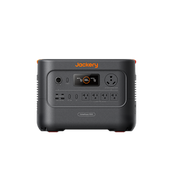
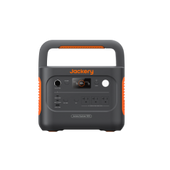
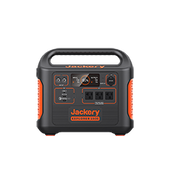
Jackery Solar Generator HomePower 3000
- Capacity & Output: Features a robust 3072Wh capacity and a massive 3600W AC output (7200W surge), capable of powering high-demand appliances like refrigerators, microwaves, and coffee makers.
- Reliability: Provides a seamless ≤20ms UPS switchover to ensure uninterrupted power for sensitive electronics like WiFi routers, computers, and medical devices.
- Connectivity: Includes a TT-30 RV outlet for easy integration.
- Use Case: The ideal solution for compact home backup, capable of keeping essential household systems running for up to 15 hours during overnight outages.
For comprehensive home backup, larger systems offer expandability and higher voltage support.
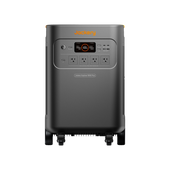
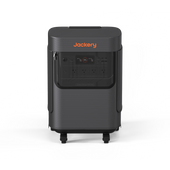
Jackery Solar Generator 5000 Plus
- Voltage: Supports 120V and 240V dual voltage, allowing the unit to run heavy-duty appliances like well pumps.
- Capacity: Base 5040Wh capacity is expandable up to 60kWh with additional battery packs, suitable for extended outages.
- Reliability: Features a UPS with 0ms switchover time to ensure uninterrupted power to sensitive electronics like computers and medical gear.
- Use Case: The ultimate solution for essential home backup, capable of sustaining a household for days when expanded. A portable generator in Canada like this ensures critical systems remain operational.

Restoration and Grid Reliability
What Are the Common Causes of Outages?
Severe weather and vegetation contact are the primary causes of power interruptions in New Brunswick. The most frequent culprits include:
- Severe Weather: Heavy snow and ice loading on lines are primary drivers of disruption, causing equipment to sag or snap. High winds frequently accompany these storms, exacerbating the damage.
- Vegetation: Trees contacting lines account for the majority of outages. When branches weighted with ice touch live wires, they cause short circuits that trip breakers.
- Planned Maintenance: NB Power Outages planned interruptions are a necessary part of grid management. These allow for the safe maintenance of infrastructure, including upgrades to transmission lines and work at major facilities like the Point Lepreau Nuclear Generating Station.
How Does NB Power Prioritize Restoration?
NB Power restores electricity using a phased approach that prioritizes public safety and essential infrastructure. The sequence generally follows this order:
- Public Safety: Crews first clear critical safety hazards, such as downed live wires near roads or homes, to protect the public and first responders.
- Essential Services: Hospitals, police stations, fire stations, and communication centers must be brought online to manage the emergency response.
- Major Transmission: Repairs that restore power to the largest number of customers come next. This typically involves fixing high-voltage transmission lines and substations.
- Local Distribution: Neighborhood-level distribution lines and individual service drops are repaired last. While frustrating for the individual homeowner, this ensures resources are used to do the best for the most people in the shortest time.
Understanding the grid map in Canada helps residents visualize why certain areas are restored before others.
Support for Vulnerable Customers
How Can Vulnerable Customers Prepare?
Register with the Critical Medical Registry immediately if you or a family member relies on life-support equipment. This ensures the utility is aware of your specific needs during an outage.
Community support becomes vital during prolonged winter events. Locate local warming centers or municipal emergency hubs in advance. These locations often provide heat, charging stations for devices, and hot water.
Improving energy efficiency is a proactive way to prepare. Adding insulation and sealing drafts helps your home retain heat longer during winter outages. A well-insulated home stays habitable for significantly longer after the furnace stops running.
Conclusion: Empowering New Brunswickers
Facing NB Power outages doesn't mean facing chaos. By assembling a 72-hour kit and regularly testing your backup power, you turn a potential crisis into a manageable inconvenience. Stay informed via the NB Power map and keep your plan active to ensure your family remains safe and warm until the lights return.
Frequently Asked Questions
How do I dispose of spoiled food?
Consult municipal guidelines. If in doubt, throw it out.
Can I get reimbursed for food spoilage?
Check your home insurance policy; some providers cover outage-related loss.
What if I rely on well water?
Pre-fill bathtubs or use a 240V-capable portable power station to run your pump.
Are there programs for low-income families?
Check with the Red Cross or municipal social services for emergency preparedness resources.
How do I protect electronics?
Unplug major appliances during the outage or install whole-home surge protectors.


