











![[Add-on] Jackery Manual Transfer Switch for Explorer 5000 Plus](http://ca.jackery.com/cdn/shop/files/add-on-jackery-manual-transfer-switch-for-5000-plus-240V.webp?v=1757043692&width=170)





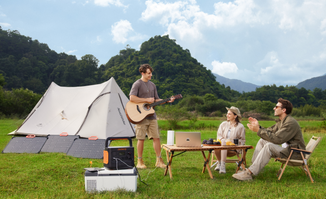
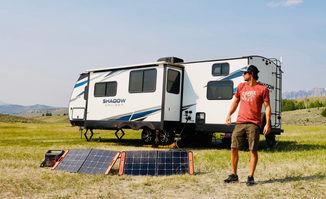

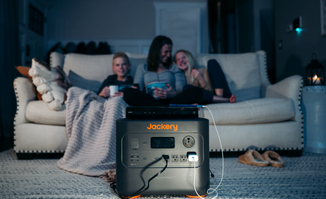

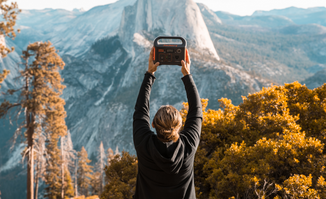


Whether you live in your RV full-time or use it for weekend getaways to Algonquin or Banff, a reliable power source is non-negotiable. While powered campsites are convenient, the real beauty of Canada lies in the millions of acres of Crown land and off-grid wilderness.
To access these remote locations without the noise and fumes of a gas generator, you generally have two choices: a permanent roof-mounted system or portable solar panels for RV.
For many Canadian RVers, the debate between fixed roof systems and portable kits is common. While roof mounts offer a set it and forget it convenience, portable kits allow you to harvest the sun's energy to run appliances, charge electronics, and keep your lights on with much greater flexibility.
Here is everything you need to know to decide which system is right for you.
Portable vs. Roof-Mounted Panels: The Showdown
Should you mount panels to your roof or keep them portable? Both have distinct advantages depending on how you travel.
Roof-Mounted Panels
Roof-mounted panels are a fixed solution. They charge your batteries while you drive, are theft-resistant, and require no setup time once parked.
- Pros: Set and forget, charges while driving, zero setup time.
- Cons: Requires drilling/installation, difficult to clean snow off in winter, and forces you to park the RV in the sun (turning your vehicle into an oven) to generate power.
Portable Solar Panels for RV
Portable solar panels for RV use require setup time at each stop but offer superior efficiency. Because you can move them, you can angle them directly at the sun throughout the day, capturing up to 30% more energy than flat-mounted roof panels.
- Pros: Higher efficiency (angleable), no installation required, allows you to park in the shade while panels sit in the sun.
- Cons: Requires setup at each campsite, needs to be secured against theft.
The Verdict: For most weekend warriors, renters, and those camping in wooded areas, portable panels offer the best versatility.
Why Choose Portable Solar Panels for Your RV?
While there are upfront costs associated with solar panels, the long-term benefits for RVers—specifically when choosing portable options—are undeniable.
Flexibility in Parking
This is the biggest advantage of portable solar panels for RV setups over roof-mounted systems. In the height of a Canadian summer, you want to park your RV in the shade to keep it cool. With portable panels, you can park under the trees and use an extension cable to place your panels in direct sunlight. This keeps your living space comfortable without sacrificing power generation.
No Installation Required
Avoid drilling holes in your RV roof. Portable kits are ideal for renters, weekend warriors, or those who don't want to commit to a permanent modification. They are plug-and-play solutions that require zero technical installation skills.
Quiet and Clean Energy
Unlike gas generators, solar panel kits are silent. You won't disturb your neighbors or the wildlife. You also eliminate the need to haul heavy jerry cans of fuel, reducing both weight and fire risk.
Emergency Backup
When you are kilometers away from the nearest service station, a dead battery is more than an inconvenience—it's a safety risk. A portable solar setup ensures you always have a way to charge your vehicle battery or essential communication devices during a breakdown.
Types of Portable Solar Panels
If you have decided that portable solar panels for RV travel are the right choice for you, understanding the three main types will help you select the right gear.
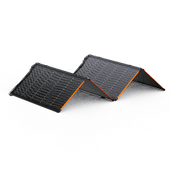
Foldable (Suitcase) Panels
These are the most popular choice for portable setups. Lightweight panels are sewn into durable fabric casings that fold up like a briefcase.
-
Best For: Van lifers, car campers, and RVers with limited storage space who prioritize ease of use. The Jackery SolarSaga 100 Light Solar Panel is a prime example, offering high efficiency in a compact form.
Rigid Portable Kits
These are essentially standard glass-fronted aluminum-framed panels with kickstands and handles attached.
-
Best For: RVers with ample storage space (like a pass-through storage bay) who want maximum durability.
Flexible Panels
Thin, lightweight sheets designed to bend.
-
Suitability: While they are light, they are generally designed for permanent mounting on curved surfaces. They are less durable for frequent handling compared to foldable or rigid options.
How Much Solar Do I Need for an RV?
Any good kit will have solar panels to collect energy and a battery (solar generator) to store it. To size your system, use this simple formula:
Daily Wh Needed ÷ 4 Peak Sun Hours ÷ 0.75 (Efficiency Factor) = Watts of Solar Needed.
- Moderate Use: LED lights, phone charging, water pump. (Needs ~300-500Wh per day).
- Heavy Use: 12V fridge, laptop charging, TV, coffee maker. (Needs ~1000-2000Wh per day).
Essential System Components
A solar panel alone cannot power your RV outlets. You need a complete system, often found in a Solar Generator.
- Battery Storage (The Tank): Look for Lithium (LiFePO4) batteries. They are the gold standard for RVs, weighing half as much as lead-acid batteries and lasting 10x longer.
- Solar Generator (All-in-One): This combines the battery, MPPT charge controller, and inverter into one unit, eliminating complex wiring.
Using Portable Solar Panels in Canadian Conditions
Canada presents unique challenges for solar power, but portable solar panels for RV usage are uniquely suited to handle them.
- Cold Weather Efficiency: Contrary to popular belief, solar panels are more efficient in cold temperatures. Voltage increases as the panel gets colder.
- The Snow Problem: Roof panels get covered in snow and stop working. Portable panels are easy to wipe clean or store inside during a blizzard.
- Sun Angle: In winter, the sun is low on the horizon. Flat roof panels reflect most of this light. Portable panels with kickstands allow you to tilt the panel to face the low sun directly, maximizing the limited daylight hours available.
Jackery Solar Panels: Best Portable Solar Panels for RV
For years, Jackery has been the go-to choice for RVers seeking reliable off-grid power. Their products combine durability, high efficiency, and plug-and-play simplicity.
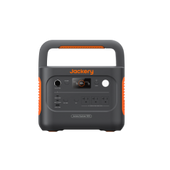
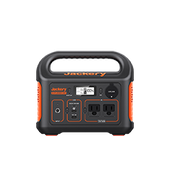
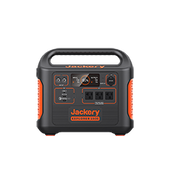
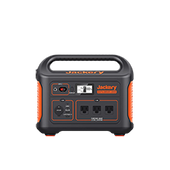
Jackery Solar Generator 2000 v2
For RVers who need to run high-wattage appliances like microwaves, coffee makers, or even a portable AC unit, the Jackery Solar Generator 2000 v2 is the powerhouse solution.
- Capacity: With a substantial battery capacity, it can power a 12V fridge for days.
- Lifespan: Features a LiFePO4 battery with a 10-year lifespan, making it a long-term investment for your rig.
- Fast Charging: Can be fully charged via solar or AC wall outlet rapidly, ensuring you aren't stuck waiting for power.

Jackery SolarSaga 100 Light Solar Panel
This is the ultimate portable companion for the Jackery SolarSaga 100 Light Solar Panel.
- Ultra-Portable: Designed specifically for mobility, it is lighter and more compact than standard rigid panels.
- High Efficiency: Uses advanced monocrystalline solar cells to convert up to 25% of sunlight into power.
- Bifacial Technology: Some models feature dual-sided charging to capture reflected light from the ground (snow or sand), boosting output.
Best Practices for Maintenance and Safety
- Cleaning: Wipe panels with a soft, damp cloth to remove dust, pollen, and bird droppings. Even a small number of debris can drop efficiency by 10-15%.
- Weather Protection: While panels are weather-resistant, the solar generator (battery unit) is usually not waterproof. Keep the battery inside the RV or in a dry storage bay while charging.
- Security: Portable panels are easy to steal. Use a bicycle cable lock to secure the panels to your RV frame or wheels when you are away from the campsite.
Conclusion
Portable solar panels offer Canadian RVers the ultimate freedom: the ability to camp anywhere, anytime, without sacrificing comfort. Whether you are boondocking on Crown land or just want a quiet alternative to a gas generator, the right solar setup changes the game.
If you're ready to convert to a more affordable, reliable, and environmentally friendly form of power, Jackery is here to help.


