













![[Add-on] Jackery Manual Transfer Switch for Explorer 5000 Plus](http://ca.jackery.com/cdn/shop/files/add-on-jackery-manual-transfer-switch-for-5000-plus-240V.webp?v=1757043692&width=170)










Winter in Canada is beautiful, but it brings unique challenges. From the damp cold of the coasts to the deep freeze of the prairies, fluctuating temperatures and extreme weather patterns are a reality of life. With winter upon us, the dual challenge of rising home heating costs and the risk of power outages makes preparation essential.
Whether you are trying to prepare for a winter storm that knocks out the grid, knowing how to stay warm in winter is a vital skill. It’s not just about comfort; it’s about safety.
Here is your comprehensive guide to personal warmth, home efficiency, and emergency preparedness during the Canadian winter.
The 3-Layer Rule: Dressing for Canadian Winters
When venturing outdoors, or even staying warm in a drafty house, the best way to maintain body temperature is by mastering the art of layering. It is not enough to simply wear a heavy coat; you must regulate your internal temperature and manage moisture. The "3-Layer Rule" is the gold standard for winter dressing.
The Base Layer (Moisture Management)
The layer next to your skin is the most critical. Its primary role is wicking sweat away from your body. If sweat sits on your skin, it cools down rapidly, leading to chills or even hypothermia.
- Best Materials: Merino wool, silk, or high-performance synthetics (polyester blends).
- The "No Cotton" Rule: Never wear cotton as a base layer in winter. Cotton absorbs moisture and holds it against your skin, losing all insulating value when wet.
- Fit: This layer should be snug against the skin to maximize efficiency.
The Mid Layer (Insulation)
The middle layer is your furnace. Its job is to trap the heat your body generates, creating a warm air barrier between you and the cold.
- Best Materials: Fleece, down, or wool.
- Fit: This should be slightly looser than your base layer to trap pockets of warm air without restricting movement.
- Versatility: Vests, heavy sweaters, or puffy jackets work well here.
The Outer Layer (Weather Protection)
The shell layer shields you from the elements—wind, rain, and snow. Without this, the wind will strip away the heat trapped by your mid-layer.
- Best Materials: Gore-Tex or technical shells with high windproof and waterproof ratings.
- Features: Look for breathability. You want perspiration to escape while keeping the weather out. Vents (zippers under the arms) are excellent for temperature regulation during high activity.
Protecting Your Extremities
You lose a significant amount of heat through exposed skin.
- Head: A wool or synthetic toque is essential.
- Hands: Mittens are warmer than gloves because your fingers share warmth within the pocket of air.
- Feet: Wear waterproof, insulated boots. Pair them with thick wool socks—again, avoid cotton socks to prevent cold, damp feet.
- Face: In extreme wind chill, use a neck tube or balaclava to protect your nose and cheeks from frostbite.
How to Keep Your House Warm Efficiently
Before an emergency strikes, you likely want to keep your home warm while managing utility costs. Here are effective ways to retain heat and reduce bills.
Seal Drafts and Insulate
Drafts are the enemy of a warm home. Cold air diffusion into the house forces your heating system to work overtime.
- Windows and Doors: Check for leaks around frames. Use weatherstripping or caulking to seal gaps. Install door snakes or draft stoppers at the bottom of exterior doors.
- Window Treatments: During the day, open curtains to let sunlight naturally heat your home (passive solar gain). At night, close heavy thermal curtains to add a layer of insulation against the cold glass.
- Window Film: For older windows, applying clear window insulation film can significantly reduce heat loss.
Efficient Heating Habits
- Ceiling Fans: Most people don't know this, but ceiling fans can help in winter. Switch the direction to clockwise and run it on low. This pushes warm air (which rises) back down toward the living space.
- Thermostat Management: Use a programmable thermostat to lower the temperature when you are sleeping or away at work.
- Airflow: Ensure your furnace filters are replaced regularly. A clogged filter restricts airflow, making the furnace work harder. Also, keep furniture away from vents and radiators to allow heat to circulate freely.
5 Ways to Stay Warm During a Winter Power Outage
Winter power outages can be a huge inconvenience and sometimes dangerous. With ice storms and strong winds, outages are common. When the grid fails, you need a plan. Here are 5 ways to stay warm without standard electricity.
Get a Solar Generator
If you don't have a backup power source yet, winter is the time to get one. Unlike gas generators, which cannot be used indoors due to carbon monoxide risks, solar generators are safe, silent, and emission-free.
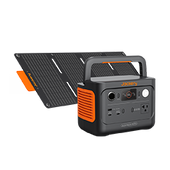
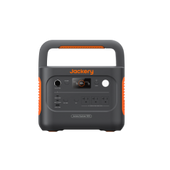
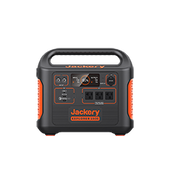
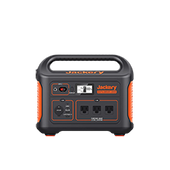
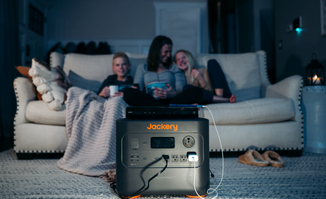
Jackery’s solar generators are built for these emergencies, demonstrating how portable electric generators keep you warm by powering essential heating devices like electric blankets and space heaters, as well as medical equipment like CPAP machines.
Top Recommendations for Winter Backup:
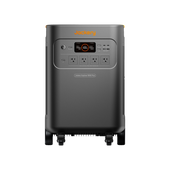
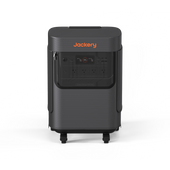
- Jackery Solar Generator HomePower 3000: This powerhouse features a massive 3072Wh capacity and a 3600W power output. It is powerful enough to run high-demand appliances. In a winter outage, it can power a 1500W electric heater for nearly 3 hours continuously, ensuring you sleep warmly through the night.
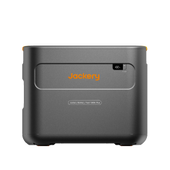
- Jackery Solar Generator 5000 Plus: For those needing the ultimate peace of mind, the Jackery Solar Generator 5000 Plus offers a substantial 5kWh capacity, which is expandable to meet higher demands. It is designed for heavy-duty usage as a robust battery backup for home that can back up your entire home’s critical circuits. It can easily power space heaters, hot plates for warm food, and keep your communication devices charged for days. Solar generators with LiFePO4 battery technology have a long lifespan, making them a reliable investment for many winters to come.

Isolate and Insulate (The "Warm Room" Concept)
When the power goes out, do not try to heat the whole house. Pick one room—preferably small and south-facing—to be your "bunker."
- Close Doors: Keep all doors to unused rooms tightly shut.
- Cover Windows: Cover windows with heavy blankets or black clothing (black absorbs potential heat).
- Build a Fort: If it gets extremely cold, set up a tent inside the room or build a blanket fort. The smaller volume of air is easier to warm with body heat.
Use Blankets and Sleeping Bags Effectively
Blankets are good, but sleeping bags are better. Modern sleeping bags are designed to trap body heat efficiently.
- Layering: If you don't have sleeping bags, layer wool or fleece blankets.
- Shared Warmth: Huddling together under blankets shares body heat, which is one of the most effective ways to stay warm.
Avoid Opening Doors and Windows
It is tempting to check the weather, but every time you open an exterior door, valuable warm air escapes and is replaced by freezing air. Keep windows and doors shut. Do not use outdoor heating devices like BBQs or propane patio heaters indoors—this poses a severe carbon monoxide threat.
Stay Active (But Don't Sweat)
Keeping your body moving generates internal heat.
- Light Exercise: Do some light stretching, yoga, or walking around the room to get your blood flowing.
- The Sweat Danger: Avoid vigorous exercise that makes you sweat. In a cold house without a hot shower, sweat will cool on your skin and lower your body temperature rapidly.
Staying Warm and Safe Outdoors
If you must go outside during extreme cold, you need to understand the risks.
Understanding Wind Chill
In Canada, the temperature on the thermometer is only half the story. Always check the Wind Chill Index. Wind strips the insulating layer of warm air from your skin, making it feel much colder and increasing the risk of frostbite.
- Frostbite: Look for numbness and white or waxy-looking skin on the nose, ears, cheeks, and fingers.
- Hypothermia: Symptoms include uncontrollable shivering, confusion, slurred speech, and drowsiness. If you suspect hypothermia, seek medical attention immediately.
The Alcohol Myth
A common misconception is that drinking alcohol "warms you up" because it makes your skin feel flushed. In reality, alcohol dilates your blood vessels, moving warm blood away from your core to your skin, where heat is lost rapidly. This actually lowers your core body temperature. Stick to warm, non-alcoholic beverages like herbal tea, hot chocolate, or soup.
Winter Preparedness for Travel
Canadian winter driving is unpredictable. A sudden slide into a ditch can leave you stranded in freezing temperatures.
Vehicle Safety Kit
Always keep your gas tank at least half full to prevent the fuel line from freezing and to ensure you can run the engine for heat if stranded (ensure the exhaust pipe is clear of snow). Keep a survival kit in your trunk containing:
- Extra wool blankets and warm clothes.
- A shovel and sand or kitty litter for traction.
- Booster cables.
- Non-perishable food and water.
- A flashlight and extra batteries.
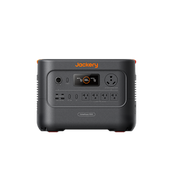
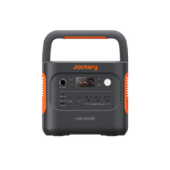
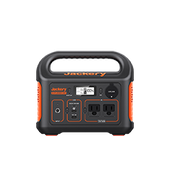
- A Jackery Portable Power Station to ensure your phone remains charged for emergency calls.
Conclusion
Power outages and extreme temperatures caused by winter weather can be challenging, but they are not impossible to overcome. With the right clothing strategy, home insulation, and reliable backup power, you can keep your family warm and comfortable.
Preparation is key. Whether it is sealing your windows, packing a car kit, or investing in a Jackery Solar Generator HomePower 3000 or Jackery Solar Generator 5000 Plus, taking steps now will ensure you are ready for whatever winter brings.
Stay warm, stay safe, and enjoy the season!
Subscribe to Jackery's newsletter to keep up with their latest offers and stay warm during the winter season.


