











![[Add-on] Jackery Manual Transfer Switch for Explorer 5000 Plus](http://ca.jackery.com/cdn/shop/files/add-on-jackery-manual-transfer-switch-for-5000-plus-240V.webp?v=1757043692&width=170)









The margin for error in sub-zero temperatures is incredibly slim. Your winter camping gear must address penetrating cold, moisture management, and rapid battery depletion. This guide outlines a system prioritizing safety, warmth, and practical budget tradeoffs to keep you comfortable when the mercury falls.
The Hierarchy of Priorities
Prioritize survival over comfort when allocating budget and weight. Novice winter campers often focus on accessories, but the sleeping system and shelter are non-negotiable investments. If these core components fail, the trip ends immediately, potentially in a rescue scenario.
What Should You Buy First?
Buy the sleeping bag and sleeping pad as a single cohesive unit. A sleeping bag rated for -20°C is useless if placed on a thin summer pad, as the frozen ground will siphon heat directly from your body. Consequently, upgrading your sleeping pad is often more critical than upgrading the bag itself to ensure the entire sleep system functions correctly.
Shelter and Sleep Systems: The Foundation of Warmth
Your shelter serves as the primary defense against wind and snow, while your sleep system preserves the heat your body generates.
How Do You Select the Right Tent?
Select a tent based on expected snow load and wind exposure.
- 4-Season Tents: These shelters are designed for heavy snow loads and high winds, featuring stronger poles and less mesh to trap heat. While robust, 4-season tents are heavier and suffer from condensation issues due to reduced ventilation.
- Robust 3-Season Tents: A high-quality winter camping tent isn't always strictly 4-season. If you are camping below the treeline with a favorable weather forecast (low snow accumulation), a robust 3-season tent with a full rainfly often suffices.
How Do Sleeping Bag Ratings Work?
Choose a sleeping bag rated at least 5°C (9°F) colder than the lowest expected temperature. Manufacturer ratings can be optimistic, so applying this buffer rule is essential for safety. If the forecast calls for -10°C (14°F), pack a bag rated for -15°C (5°F) or lower to ensure adequate warmth.
What Is R-Value and Why Does It Matter?
You need a sleeping pad with an R-value of at least 5 for winter camping on snow. R-value measures a pad's resistance to heat flow; while an R-value of 2 suffices in summer, winter conditions require higher insulation to prevent conductive heat loss, which cools the body faster than cold air.
Why Use the Double-Pad Tactic?
Stacking two pads boosts total R-value and provides a critical safety net. Place a closed-cell foam pad (like a folding Z-pad) on the bottom for durability and insulation, then place an inflatable insulated pad on top for comfort. If the inflatable pad punctures, the foam pad ensures you are not sleeping directly on the snow.
Clothing Strategy: Managing Moisture and Heat
Winter clothing is not just about heavy coats; it is about moisture management. Sweat is dangerous because moisture conducts heat away from the body 25 times faster than air.
How Do You Protect Extremities?
Protect hands and feet immediately, as they are the first to suffer from restricted blood flow.
- Booties: Down-filled camp booties are essential for keeping feet warm around camp and in the tent.
- Modular Gloves: Use a system with a waterproof shell and removable fleece liners, allowing you to dry the liners easily.
- Headwear: Wear a warm hat to bed, as a significant amount of body heat is lost through the head.
How Do You Manage Active vs. Static Layers?
Be bold, start cold to prevent sweating. When hiking or snowshoeing begins, strip down to a base layer and a light shell so you feel slightly chilly before moving. As soon as you stop for a break or camp, immediately put on a heavy puffy jacket (static layer) to trap the heat generated while moving.
Nutrition and Hydration: Fueling the Internal Furnace
Your body is the primary heater in your tent and requires fuel to generate warmth.
How Do You Prevent Water from Freezing?
Store water bottles upside down so ice forms at the bottom of the bottle (facing up), keeping the threads unfrozen. Liquid water turns to ice rapidly in sub-zero temps. At night, keep the water bottle inside your sleeping bag or in a boot liner to prevent freezing entirely.
Which Stoves Work Best in Cold?
Liquid fuel stoves perform best in extreme cold because you can pressurize the fuel bottle manually. Melting snow for water requires significantly more fuel than boiling liquid water, so carry double the fuel used for summer trips. If using canister stoves, ensure the system has a pressure regulator designed for cold weather, or keep the canister warm inside your jacket before use.
Power Solutions: Overcoming Cold-Weather Battery Drain
Cold temperatures slow down the chemical reactions inside lithium-ion batteries, causing phones, cameras, and GPS units to die rapidly.
How Does Cold Affect Batteries?
Internal resistance increases in cold weather, making energy unavailable even if the battery isn't truly empty. While batteries do not actually lose their charge, the device reads them as dead. Once warmed up, some capacity returns, but prolonged exposure to freezing temps can permanently degrade battery health.
What Are Your Basecamp Power Options?
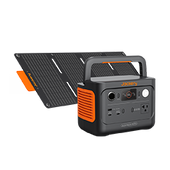
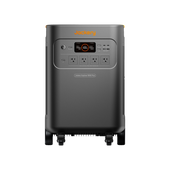
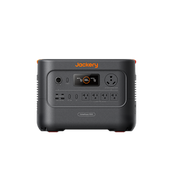
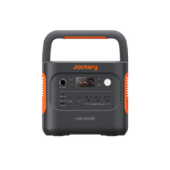
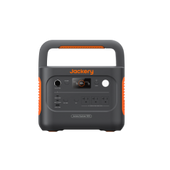
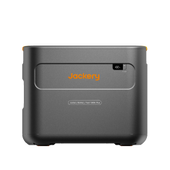
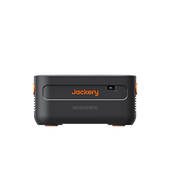
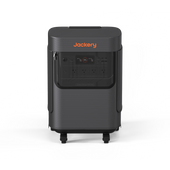
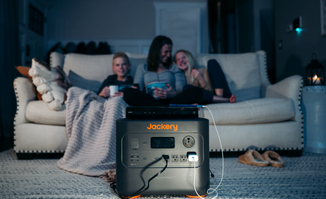
Portable power stations are essential for running electric heaters, heated blankets, or recharging camera gear during winter car camping. Campers utilizing winter camping with heated gear and portable battery chargers rely on LiFePO4 chemistry for safety and longevity in harsh Canadian winters.
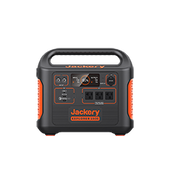
Jackery Explorer 1500 v2
- Capacity: 1536Wh
- Battery Chemistry: LiFePO4 (safe and long-lasting)
- Cold Weather Function: The Jackery Explorer 1500 v2 operates in temperatures down to -20°C (-4°F).
- Use Case: This unit is ideal for photographers or campers needing to run CPAP machines or recharge multiple devices in sub-zero conditions.

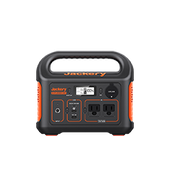
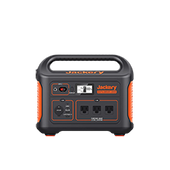
Jackery Explorer 2000 v2
- Capacity: 2042Wh
- Output: 2200W (4400W Surge Peak)
- Charging: 0-100% in 1.7 hours via AC wall outlet (Emergency Super Charge).
- Use Case: Jackery Explorer 2000 v2 is ideal for extended basecamps where running higher-wattage appliances like electric kettles or space heaters is necessary for comfort.
Safety, Navigation, and Site Selection
Winter changes the landscape, hiding trails and creating new hazards.
How Should You Adapt the Ten Essentials?
Update your safety kit with a metal shovel, avalanche beacon, and chemical hand warmers. Plastic shovels can shatter in extreme cold, making a metal shovel vital for digging snow shelters or avalanche rescue. An avalanche beacon is essential if traveling in or near avalanche terrain.
Where Should You Set Up Camp?
Use natural windbreaks like rock formations or dense tree stands to shield the tent. Avoid setting up camp in avalanche runout zones or directly under heavy snow-laden branches (widowmakers) that could fall during the night.
How Do You Prepare the Snow?
Pack down a platform with snowshoes or skis and let the snow sinter (harden) for 30 minutes before pitching the tent. Do not set up on fresh powder. Sintering prevents body heat from melting a depression into the floor while sleeping, which can compromise the tent structure.
Do You Need an Electronics Backup?
Always carry waterproof paper maps and a compass as cold weather can kill GPS batteries unexpectedly. Travelers crossing frozen water bodies should review ice fishing safety tips regarding ice thickness before trusting the surface.
Transport and Organization
Moving gear in winter is physically demanding due to the weight of extra clothing and fuel.
Should You Use a Sled or a Pack?
Use a pulk (sled) to tow gear on relatively flat terrain. A sled takes the weight off your back and allows you to carry heavier, warmer items. Backpacks are better suited for steep, technical terrain where a sled becomes unmanageable.
How Do You Manage Condensation?
Keep a frost bib or small microfiber towel handy to wipe down tent walls in the morning. Condensation will form on the inside of the tent walls; removing it prevents frost from falling onto the sleeping bag and melting.
Budget Strategies and Scenarios
Winter camping gear can be expensive, but you don't need top-tier equipment for every item.
Where Can You Save Money?
Save money on mid-layers by buying used wool sweaters or using fleece you already own. Spend the majority of your budget on a high R-value sleeping pad and a quality down sleeping bag, as these are your primary lifelines.
Scenario A: What Does a Car Camper Need?
Car campers stay close to the vehicle, so weight is not an issue.
- Gear: Large canvas tent, heavy synthetic sleeping bags, two-burner stove.
- Power: Jackery Explorer 2000 v2 to run an electric blanket or a small space heater.
- Luxury: Cast iron cookware and a cooler (to keep food from freezing solid).
Scenario B: What Does a Soloist Need?
Soloists travel far on snowshoes or skis, making weight critical.
- Gear: Ultralight winter camping gear list including a floorless pyramid tent, high-fill power down bag (-20°C or -4°F), and a titanium stove.
- Power: Small power bank kept in a pocket.
- Food: Dehydrated meals to save weight.
|
Feature |
Car Camping |
Backcountry Soloist |
|---|---|---|
|
Shelter |
Large, heavy, spacious |
Compact, light, minimal |
|
Sleep System |
Heavy synthetic, cots |
High-end down, foam + air pad |
|
Kitchen |
2-burner stove, fresh food |
Tiny canister stove, dry food |
|
Power |
Portable Power Station |
Small Power Bank |
Common Beginner Questions (FAQ)
How do I keep my feet warm?
Loosen laces to improve circulation and change into dry socks at camp. Use down booties inside the tent.
Do I really need a 4-season tent?
Below the treeline with low wind, a robust 3-season tent works. For exposed terrain or heavy storms, a 4-season tent is mandatory.
How much water do I need?
Aim for 3-4 liters daily. Cold, dry air dehydrates the body faster than summer heat.
Can I use summer hiking boots?
No. They lack insulation and restrict blood flow when worn with thick socks. Use insulated winter boots sized up.
How do I dry gear in freezing conditions?
Place damp items inside your sleeping bag or between clothing layers while moving. Your body heat will dry them.
What are specific first aid risks?
Prepare for frostbite, snow blindness, and hypothermia. Watch for the umbles (stumbles, mumbles, fumbles).
Conclusion
Success relies on three pillars: staying dry, insulating against the ground, and managing your energy. Start with short trips to test your gear and always check weather reports. With the right preparation, winter camping becomes the year's most rewarding experience.


