











![[Add-on] Jackery Manual Transfer Switch for Explorer 5000 Plus](http://ca.jackery.com/cdn/shop/files/add-on-jackery-manual-transfer-switch-for-5000-plus-240V.webp?v=1757043692&width=170)











If you want to camp in freezing weather, focus on layering clothing, insulating from the ground with two sleeping pads, using a warm sleeping bag, staying hydrated with hot drinks, cooking calorie-dense food, setting up in a wind-sheltered spot, and keeping electronics warm to prevent battery drain. Camping below freezing is a different skill set, and you must understand how to camp in freezing weather.
During winter, the ground steals heat fast, and wet clothes chill your body. If you don’t control moisture, wind, and insulation, the trip can quickly become uncomfortable, or even unsafe. This guide focuses on how to insulate your sleeping setup, how to choose winter-safe gear, and how to keep lights, phones, and safety tools powered with reliable battery backup solutions like those from Jackery.
Takeaways
- Staying warm while camping in freezing weather comes down to layering, staying dry, insulating from the ground, and managing moisture.
- A winter camping checklist should include a four-season tent, a winter-rated sleep system, a stove, safety tools, and a reliable backup power source.
- Cold drains batteries quickly, and having a portable power station keeps lights, phones, GPS, and safety gear working.
- Preparation and planning ahead make winter camping safer and more comfortable.
How to Camp in Extreme Cold or Freezing Weather?
Cold-weather camping is about controlling heat loss and moisture. If you manage those two things, you stay comfortable instead of fighting the cold the entire trip. Here is how to camp in freezing weather or extreme cold:
- Layer Your Clothing: Start with a moisture-wicking base layer, add a warm mid-layer (wool or fleece), and finish with a windproof, waterproof shell. You should avoid cotton because once it gets wet, it stays cold.
- Stay Dry: Change out of damp clothes immediately. Sweat, snow, and condensation can chill the body faster than the air temperature.
- Keep Feet Off the Ground: Frozen ground pulls heat straight from your body. Use insulated boots, foam pads, or a mat under your feet whenever you sit or sleep.
- Use a Double Layer Sleeping Pad: Stack a foam pad under an insulated inflatable pad. Most nighttime heat loss happens through the ground and not the air.
- Eat and Hydrate: Your body burns more calories to stay warm. Eat warm, calorie-dense meals and drink regularly because dehydration makes you colder and more tired.
- Consider a Camp Stove: A stove lets you melt snow, cook hot meals, and boil water. Use the stove outside the tent only to avoid carbon monoxide buildup.
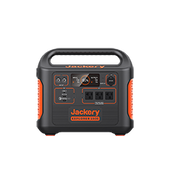
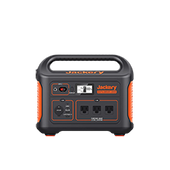
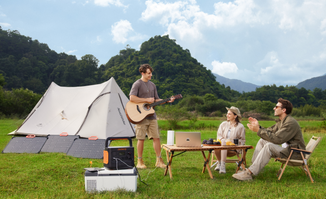
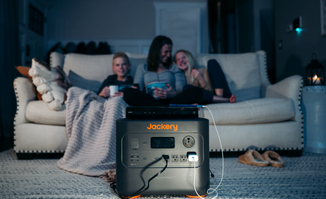
- Invest in a Small Electric Generator for Camping: Cold drains batteries fast. A portable power station from Jackery can keep headlamps, phones, GPS devices, lanterns, and radios charged without noise.
How Can Jackery Products Support Cold Weather Camping?
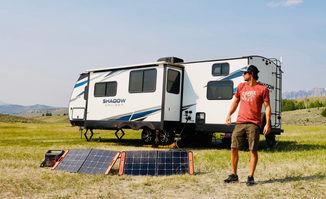
Cold weather drains batteries, meaning phones, headlamps, GPS units, lanterns, radios, cameras, and safety gear all lose charge quickly in freezing temperatures. Jackery Solar Generator gives you quiet and indoor-safe backup power so you are not relying on a single battery. You can recharge the battery during the day with solar, keep important devices running at night, and stay prepared if conditions change or you need help. Here are two of the solar generators for cold-weather camping:
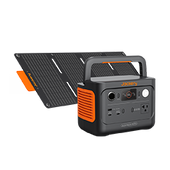
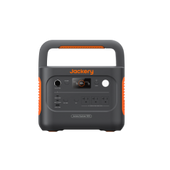
Jackery Solar Generator 1000 v2
The Jackery Solar Generator 1000 v2 is compact, easy to handle, and ideal for short winter camping trips or car camping. This portable camp generator has enough capacity to charge phones, headlamps, GPS devices, cameras, portable lights, and small campsite accessories multiple times. With solar panels included in the bundle, you can recharge the battery during daylight, which helps offset faster battery drain in cold conditions.
Appliances Running Time
- Electric Blanket (100W) = 7.1H
- Portable Heater (500W) = 1.6H
- Electric Kettle (600W) = 1.3H
- Portable Stove (400W) = 2.0H
- Camping Lights (100W) = 7.1H
Who Should Buy This
If you are a camper looking for dependable and lightweight power for basic electronics without carrying a heavy system, the Jackery Solar Generator 1000 v2 is the ideal solution.

Customer Review
I have used this now for three camping trips and love it. It has also recharged the battery on the RV without any problems. The solar panels work well. It has worked out better than expected.
— Peter May
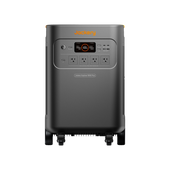
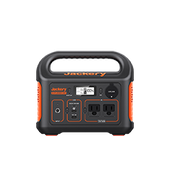
Jackery Solar Generator 2000 v2
The Jackery Solar Generator 2000 v2 is a solar battery backup solution that offers more capacity and longer runtime, making it a better fit for longer trips, colder environments, or group setups. It can handle several devices at once, support more frequent recharging, and pair with solar panels for extended off-grid use. If your trip involves more electronics, such as navigation tools, lights, camera gear, and radios, this gives you more capacity to run the appliances.
Appliances Running Time
- Electric Blanket (100W) = 14.2H
- Portable Heater (500W) = 3.2H
- Electric Kettle (600W) = 2.7H
- Portable Stove (400W) = 4.0H
- Camping Lights (100W) = 14.2H
Who Should Buy This
If you are a winter camper who stays out longer, travels with more people, or relies heavily on electronic gear, the Jackery Solar Generator 2000 v2 is an ideal solution.

Customer Review
I bought this unit to power my CPAP machine during camping, fishing, and hunting trips. I can get 4 nights of 7 hours of sleep without recharging the Jackery. It’s perfect for my needs.
— Uncle Bosco
What is the Winter Camping Essential Gear Checklist?
Winter camping gear focuses on keeping you warm, dry, and insulated while allowing you to cook, see, navigate, and handle emergencies in freezing conditions. If one of these areas fails, the trip becomes unsafe quickly. Here is the winter camping essential gear checklist:
- Four-season tent
- Snow stakes or anchors
- Winter-rated sleeping bag
- Two sleeping pads
- Ground footprint or tarp
- Insulated cookware with lids
- Camp stove and fuel (outdoor use only)
- Lighter, waterproof matches, fire starters
- Headlamp and spare batteries
- Hand and foot warmers
- Thermos / insulated bottles
- Jackery Solar Generator
- First-aid kit
- Emergency blanket
- Shovel
- Repair kit (tape, cord, needle, patch kit)
- Extra gloves, hats, socks
- Balaclava or neck gaiter
- Map and compass (or GPS)
- Knife / multi-tool
- Whistle
- Dry bags / waterproof storage
How to Stay Warm While Camping in Below Freezing Weather?
You stay warm in below-freezing weather by controlling moisture, insulating your body from the ground, protecting yourself from wind, and giving your body enough fuel to generate heat. Here are some strategies to stay warm while camping in below-freezing weather:
- Sleep Only in Dry Layers: Change out of anything sweaty or damp before bed. Moisture traps cold and keeps you chilled all night.
- Insulate Beneath Your Body: Most heat loss happens into the ground. Two sleeping pads create a barrier so warmth doesn’t drain away.
- Warm Your Body Before You Sleep: Light movement, a safe warm drink, or a small snack helps your body produce steady heat once you’re inside the bag.
- Vent Your Tent Slightly: A small opening prevents frost and condensation, which would otherwise make the inside colder and damper by morning.
- Protect Extremities First: Warm socks, a hat, and a neck gaiter make a bigger difference than piling on more jackets.
FAQs
How cold is too cold to camp?
For most beginners, anything below 20°F (-6°C) becomes risky without proper winter gear and experience. Advanced campers can go colder, but only with the right equipment and preparation.
How to survive camping in the winter?
To survive camping in the winter, you should focus on layering, staying dry, insulating under your body, eating often, hydrating, and choosing a sheltered campsite. Always have backup power, navigation, and an exit plan if conditions worsen.
What to do if you are cold while camping?
If you feel cold while camping, you can add layers, change wet clothes, move briefly to warm up, drink something hot, and get into your sleeping bag. If shivering becomes uncontrollable or you feel confused, it’s time to stop and warm up safely.
How to sleep when freezing?
In freezing temperatures, you should use two sleeping pads, wear dry base layers, warm your feet first, and use a sealed warm water bottle inside the bag. Keep ventilation slightly open to prevent moisture buildup.
How to insulate a tent for winter camping?
Pick a sheltered spot, use a footprint, add extra ground insulation, build a snow windbreak, and keep small ventilation gaps to insulate a tent for winter camping. Avoid blocking airflow completely or using unsafe DIY insulation methods inside the tent.
Conclusion
Camping in below-freezing weather is about preparation, and understanding how to camp in freezing weather is important. When you manage moisture, layer correctly, insulate from the ground, pack winter-specific gear, and keep your essential devices powered, the cold becomes something you work with instead of fighting against. Take time to plan your clothing, sleep setup, food, safety tools, and backup power before you go. With the right approach to how to camp in freezing weather, winter camping becomes safer, warmer, and genuinely enjoyable, even when temperatures drop far below freezing.


