













![[Add-on] Jackery Manual Transfer Switch for Explorer 5000 Plus](http://ca.jackery.com/cdn/shop/files/add-on-jackery-manual-transfer-switch-for-5000-plus-240V.webp?v=1757043692&width=170)








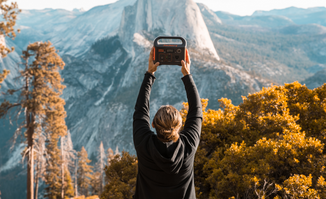


Driving the icefield parkway winter route transforms this scenic highway into a serious expedition. With black ice and zero cell service for 200 kilometers, self-reliance is mandatory. This guide covers essential vehicle requirements, fuel management, and survival gear to ensure a safe journey through the Canadian Rockies.
Essential Pre-Trip Planning and Preparation
Planning significantly reduces risk in the mountains. You must expect travel times to double compared to summer driving. Due to the isolation of the route, self-reliance is not optional; it is mandatory.
What Are the Mandatory Vehicle Requirements?
Winter Tire Mandate: Winter tires featuring the 3-Peak Mountain Snowflake (3PMSF) symbol are legally required in Banff and Jasper National Parks from November 1 to April 1.
M+S (Mud and Snow) tires alone may not provide sufficient traction on icy mountain grades. You must verify local regulations before entering the park gates. The rubber compound in true winter tires stays soft in freezing temperatures, providing grip where all-seasons harden and slide.
Drivetrain Recommendations: AWD (All-Wheel Drive) or 4WD is highly recommended for stability on inclines and snow-packed sections. However, AWD does not replace the need for proper winter tires; it helps you go, but tires help you stop.
What Should Be in Your Winter Emergency Safety Kit?
Survival Essentials: A complete emergency kit must include sleeping bags or heavy wool blankets for every passenger, as help may be hours away if you slide off the road. Layer up with extra warm clothing and waterproof shells.
Bring high-calorie food and water, keeping in mind that water bottles can freeze if left in a cold car. Include a folding shovel to dig out tires, a sturdy ice scraper, a heavy-duty tow strap, and jumper cables.
Communication & Power: Cell service is non-existent for over 200km between Lake Louise and Jasper. Satellite communication, such as a Garmin inReach, is vital for contacting emergency services in a crisis.
Backup Power: Cold temperatures drain device batteries rapidly. A reliable power source is crucial to keep phones and satellite devices operational during a breakdown.
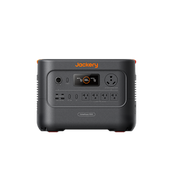
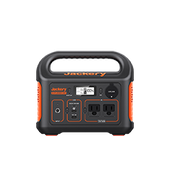
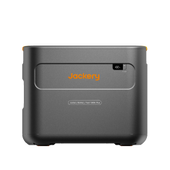
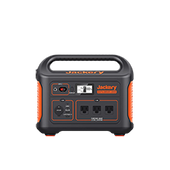
Jackery Explorer 1000 v2 Portable Power Station
- Capacity: The unit features a 1070Wh capacity that supports extended off-grid stays.
- Battery Tech: This LiFePO4 battery ensures a long lifespan with 4,000 cycles to 70% capacity and enhanced safety.
- Charging: Emergency Super Charging allows the Jackery Explorer 1000 v2 to reach 0-100% in just 1 hour via a wall outlet, allowing you to top up quickly before leaving.
- Use Case: It is essential during fire bans. With a 1500W output, the station can power electric skillets or induction cooktops, allowing you to cook hot meals without an open flame.
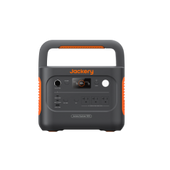
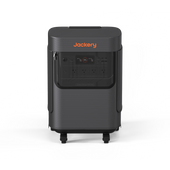
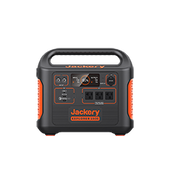
Jackery Explorer 1500 v2 Portable Power Station
- Capacity: The unit features a 1536Wh capacity that supports extended off-grid stays for high-demand devices.
- Battery Tech: This LiFePO4 battery ensures a long lifespan with 6,000+ cycles to 70% capacity and enhanced safety.
- Charging: Fast Charging Mode allows the Jackery Explorer 1500 v2 to reach 0-100% in just 64 minutes via a wall outlet, allowing you to top up quickly before leaving.
- Use Case: It is ideal for running comfort appliances. With a 2000W output, the station can power heated blankets or coffee makers, allowing you to stay warm and caffeinated on remote trips.

How Do You Check Conditions and Weather?
Official Resources: Consult 511 Alberta and Parks Canada for real-time road reports and closure alerts. These are the only authoritative sources for road status.
Interpreting Reports: Mountain conditions change rapidly. A report listing fair driving conditions can turn to poor visibility or partially covered snow within minutes of a squall.
Snow clearing typically happens during daylight hours. Avoid night driving, as plows are less frequent and hazards are harder to spot.
Navigating the Route: Safety and Logistics
The Icefields Parkway is a paved highway that functions like a remote backcountry route in winter. Treat it with the same respect you would give an off-road trail.
What Are the Best Driving Techniques for Ice and Snow?
Speed and Momentum: Drive significantly below posted limits. The speed limit is a maximum for ideal conditions, not a target for icy roads. Do not use cruise control on winter roads; it can cause the vehicle to accelerate during a loss of traction, worsening a skid.
Maintain momentum on uphills to avoid spinning out. Conversely, avoid sudden braking or acceleration on curves. Smooth inputs are the key to staying on the road.
Handling Skids: If you feel the vehicle sliding, steer gently into the skid (the direction you want to go). Avoid panic braking, which locks the wheels and removes your ability to steer.
Stopping Safely: Only stop at plowed pullouts. Stopping in driving lanes is illegal and dangerous, as approaching cars may not be able to stop in time. Watch for No Stopping zones, which indicate active avalanche paths where lingering is fatal.
How Do You Manage Fuel and Services?
The Fuel Gap: There are no operating gas stations between Lake Louise and Jasper in winter. The station at Saskatchewan Crossing is closed for the season.
Rule: Depart Lake Louise or Jasper with a full tank. If your vehicle has limited range or poor fuel economy, carry a jerry can. Running out of fuel means losing your heat source.
What Should You Know About Wildlife?
Winter Behavior: Animals such as elk, bighorn sheep, and moose often lick road salt and congregate on the highway. The plowed road offers them an easy travel corridor through deep snow.
Visibility: Wildlife is hardest to see at dawn and dusk, which often coincides with travel times. Scan the shoulders constantly. If you see one animal, assume there are more nearby.
Scenic Highlights and Winter Stops
Not all summer stops are safe or accessible in winter. Deep snow blocks many access roads, and avalanche risk closes others.
Which Stops Are Beginner Friendly?
Athabasca Falls: This site is generally accessible with plowed parking lots. The walk to the falls is short, but the mist creates extreme ice on the pathways. Stay behind railings as edges are slippery and dangerous.
Bow Lake: Roadside pullouts offer safe viewing of the frozen lake and Crowfoot Glacier without deep snow hiking. It is a perfect spot for a quick, safe photo.
Peyto Lake: The lower parking lot is usually plowed. However, the hike to the viewpoint requires traction aids as the path becomes a luge track of packed snow and ice.
Which Stops Require Advanced Preparation?
Columbia Icefield: The Discovery Center is closed in winter. Views of the Icefields Parkway Glacier features are available from the roadside. Do not walk on glaciers without a guide; snow bridges can hide deep crevasses, making self-guided exploration deadly.
For those interested in extending their stay outdoors, utilizing specific winter camping with heated gear strategies can help manage cold exposure safely.
Alternatives: When Not to Drive
Assess your risk profile honestly. If you lack winter driving experience, the Parkway is not the place to learn.
Should You Consider Shuttle and Tour Options?
Benefits: Taking a tour removes the stress of driving on ice. Professional guides handle safety, logistics, and communication. Tour vehicles are equipped with heavy-duty winter tires and emergency radios.
Decision Matrix
|
Driver Profile |
Vehicle Status |
Forecast |
Decision |
|---|---|---|---|
|
Confident Winter Driver |
AWD + Winter Tires |
Clear |
Go |
|
Inexperienced |
Rental Car (All-Seasons) |
Snow |
No-Go |
Checking if the icefield parkway open status is green is only the first step; assessing your own ability to drive it is the second.
Real-World Use Cases and Scenarios
Planning your trip depends heavily on your goals. Here are applied examples to help you prepare.
Scenario 1: The Family Sightseeing Trip
Route: Calgary to Jasper (one way).
Strategy: Leave at sunrise to maximize daylight hours. Limit stops to high-accessibility areas like Athabasca Falls and Bow Lake to keep the schedule moving.
Safety: Keep the cabin warm and ensure the emergency kit is easily accessible in the main cabin, not buried under luggage in the trunk.
Scenario 2: The Winter Photography Expedition
Route: Multi-day focus on sunrise and sunset at remote spots.
Power Needs: Photographers need to charge camera batteries, drones, and laptops in the field. Cold weather reduces battery efficiency, requiring frequent recharging.
Jackery Explorer 1500 v2
- Fast Charging: The Jackery Explorer 1500 v2 charges from 0-100% in 1 hour via wall outlet.
- Capacity: This unit provides 1536Wh of power storage.
- Use Case: It supports heated blankets or lens warmers during long, cold waits and recharges high-drain devices rapidly at hotels before the next outing.
Benefit: This unit allows photographers to top up quickly during short breaks in civilization. Capturing the Northern Lights requires patience and power, both of which are supported by reliable energy storage.
Scenario 3: The Turn Around Scenario
Situation: You encounter a sudden whiteout or a road closure gate mid-route.
Action: Do not push through zero visibility. If the road is closed, it is for a reason (usually avalanche control or accidents).
Return to the nearest town (Lake Louise or Jasper). If you are stuck, shelter in the vehicle. Wait it out using your emergency supplies and conserve fuel by running the engine intermittently—10 minutes on, 50 minutes off—ensuring the exhaust pipe is clear of snow.
Conclusion
Driving the Icefields Parkway in winter offers unparalleled beauty but demands respect. Before departing, verify road conditions, ensure you have 3PMSF tires, and pack a Jackery unit to keep essential devices running. If conditions deteriorate, prioritize safety and turn back—the mountains will be there another day.
Frequently Asked Questions
What if my rental car doesn't have 3PMSF tires?
Refuse the vehicle. Driving without them is illegal during winter mandates and dangerous. Request a proper vehicle or rent from a specialist.
Can I rely on GPS for navigation?
No. There is no cell service on most of the route. Download offline maps or carry a physical map before leaving town.
Are there safe places to pull over for photos?
Yes, but only use designated, plowed pullouts. Never stop in driving lanes or "No Stopping" zones, which are often active avalanche paths.
How do I prepare my vehicle for extreme cold overnight?
Plug in your block heater if available and lift wiper blades off the windshield to prevent them from freezing to the glass.
What if I encounter wildlife at night?
Brake firmly in a straight line—do not swerve. Swerving causes loss of control. Flash high beams to break the animal's fixation.


