












![[Add-on] Jackery Manual Transfer Switch for Explorer 5000 Plus](http://ca.jackery.com/cdn/shop/files/add-on-jackery-manual-transfer-switch-for-5000-plus-240V.webp?v=1757043692&width=170)











Sudden whiteouts and sub-zero temperatures can turn a routine commute into a survival situation. A comprehensive winter weather emergency kit for car travel is a necessity, ensuring you remain safe, warm, and connected when roads become impassable.
Core Components: Warmth and Shelter
Survival in a stranded vehicle begins with heat retention. Your vehicle provides wind protection, but it offers little insulation once the engine stops.
How Should You Layer for Personal Insulation?
Use wool or synthetic base layers; avoid cotton, which loses insulation value when damp. Vacuum-pack a full set of dry clothes and a waterproof shell to save space. Having dry clothing to change into is critical if you get wet clearing snow.
Include a wool blanket or sleeping bag rated for -18°C (0°F). Do not rely on thin foil blankets, as they offer insufficient insulation for a true winter emergency car kit.
What Are the Best Chemical and Physical Heat Sources?
Store chemical hand and foot warmers inside your jacket pockets so body heat keeps them ready for activation. Carry a poncho or tarp to serve as an improvised shelter or to keep you dry during tire changes.
Power and Communication Redundancy
Being stranded is dangerous; being stranded without communication is critical. Cold weather depletes standard electronics rapidly, making power redundancy essential.
How Can You Maintain Connectivity?
Keep phones charged at all times and enable power-saving modes immediately if you become stranded. Do not use the phone for entertainment; preserve the battery for emergency calls and GPS location sharing.
Always share your route and estimated time of arrival (ETA) with a trusted contact before departing. This ensures that if you lose communication, someone knows where to look and when to alert authorities.
What Are the Best Portable Power Solutions?
Portable power stations offer the most reliable backup energy because vehicle batteries often fail in extreme cold. A standard power bank left in a frozen glove box may be empty when needed, but a larger unit kept in the cabin retains capacity.
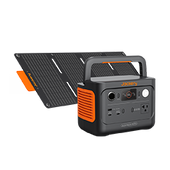
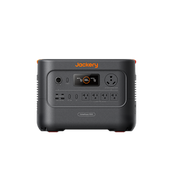
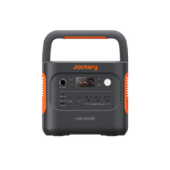
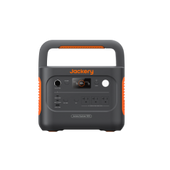
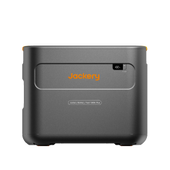
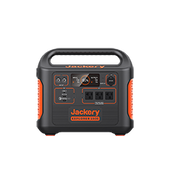
For reliable energy, the Jackery Explorer 1500 v2 is specifically engineered to handle variable climate conditions, ensuring you have access to energy when vehicle power fails.
Jackery Explorer 1500 v2
- Capacity: 1536Wh
- Cold Weather Performance: Operates in temperatures down to -4°F (-20°C)
- Battery Chemistry: LiFePO4 for safety and longevity
- Use Case: Capable of keeping phones charged for days and powering small heating devices or electric blankets.
The Jackery Explorer 1500 v2 provides 1536Wh of capacity, which is sufficient to run small appliances during long waits. For those interested in sustainable backup options, a solar generator setup can provide indefinite power if the stranding lasts multiple days.
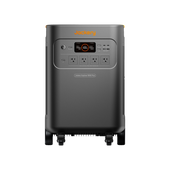
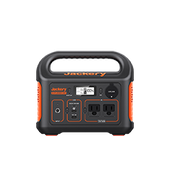
Jackery Solar Generator HomePower 3000
- Capacity: 3072Wh
- Cold Weather Performance: Operates in discharge temperatures down to 5°F (-15°C)
- Battery Chemistry: LiFePO4 for safety and longevity
- Use Case: Capable of powering high-draw devices like fridges and electric ovens, or serving as a UPS for home office equipment.
For essential home backup, the Jackery HomePower 3000 is designed to support critical household appliances during power outages, offering a compact and quiet solution for indoor use.
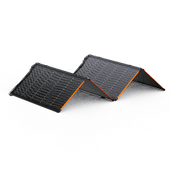
The Jackery HomePower 3000 provides 3072Wh of capacity, which is sufficient to keep a refrigerator running for nearly 12 hours or a WiFi router for over 3 days. For those interested in sustainable backup options, the Jackery SolarSaga 340 X Solar Panel setup can recharge the unit in just 6 hours.

How Do You Handle Emergency Signaling and Updates?
Pack a hand-crank or battery-powered radio to monitor weather updates when cell networks fail. For remote travel, include a satellite messenger or Personal Locator Beacon (PLB) to transmit GPS coordinates to rescuers even without cellular signal.
Vehicle-Specific Tools and Recovery Gear
Having the means to self-recover can prevent a minor slip-up from becoming an overnight ordeal.
What Tools Do You Need for Traction and Self-Recovery?
Dedicated traction boards or recovery mats are required for effective self-recovery in deep snow. These provide the grip necessary to get a vehicle moving on ice and are significantly more effective than floor mats or cardboard.
Pack non-clumping coarse sand or specialized traction grit. Avoid standard kitty litter. While often recommended, kitty litter frequently turns into a clay sludge when wet, reducing traction rather than increasing it.
Tire chains are essential for mountain travel and are legally required on certain Canadian highways. Practice installing them in a dry driveway before you need them on a frozen, dark roadside.
Which Digging and Mechanical Aids Are Essential?
- Compact Shovel: A folding metal or aluminum shovel is critical for chipping hard-packed ice and clearing snow from tires. Plastic shovels are often too fragile for frozen drifts.
- Tow Strap: Include a rated tow strap and identify your vehicle's specific recovery points in the owner's manual. Never rely on bumper attachments, which can tear off under load.
- Lithium Jump Starter: A portable lithium unit allows self-recovery without relying on other motorists. Cold weather strains lead-acid batteries, so ensure the lithium starter is fully charged before every trip.
How Can You Ensure Visibility and Maintenance?
- LED Flares: Use LED flares or illuminated cones instead of burning flares. They run for hours, avoid fire hazards, and preserve night vision.
- Red-Lens Headlamp: This allows for hands-free work in the dark without blinding reflection off the snow.
- De-Icer & Fluids: Keep lock de-icer in your pocket, not the car. Carry extra low-temp washer fluid (-40°C) to combat road salt.
Sustenance: Food and Water Strategy
The body requires energy to generate heat. A winter emergency car kit must include high-calorie fuel.
Why Is Calorie-Dense Nutrition Important?
Pack high-calorie, non-freezing foods like nuts, chocolate, and beef jerky. Choose items that are easy to eat while wearing gloves to avoid exposing fingers to the cold. Avoid foods with high water content that may burst when frozen.
How Should You Manage Hydration?
Store water in insulated bottles to prevent freezing, as single-walled plastic freezes quickly. Never eat snow directly; it drastically lowers your core body temperature and accelerates hypothermia.
Critical Safety Decisions and Protocols
Your behavior during an emergency is as important as your gear.
Why Is Carbon Monoxide (CO) Awareness Critical?
Carbon monoxide is a silent killer in winter strandings because snow can quickly block the tailpipe, forcing exhaust gases back into the cabin. Follow this protocol to manage engine use safely:
- Clear Exhaust: Ensure the tailpipe is free of snow before starting.
- Run Intermittently: Run the engine for only 10 minutes every hour to conserve fuel.
- Ventilate: Crack a window slightly on the side away from the wind whenever the engine is running.
Should You Stay or Go?
Stay with the vehicle in the vast majority of scenarios. The car offers shelter, wind protection, and a large visual target for rescuers.
Only leave the vehicle if you have visible shelter nearby and the appropriate gear to reach it safely. Distances are deceptive in snow, and deep powder can make a short walk exhausting and dangerous.
Kit Management and Maintenance
A kit is only useful if it is accessible and functional.
How Should You Organize Your Kit?
Keep critical warmth and power items in the passenger cabin, not the frozen trunk. If the trunk lock freezes or you are rear-ended, trunk access may be impossible.
Use labeled, waterproof containers or dry bags to organize smaller gear. Organizing gear in this manner is similar to how Canadian families emergency backpacks are structured, ensuring everyone has access to their specific needs quickly. This prevents items from getting wet if snow enters the vehicle and makes it easy to find what you need in low light.
How Often Should You Rotate Supplies?
Test all batteries and charge power stations every season, as batteries lose capacity over time in extreme temperatures. While units like the Jackery Explorer 1500 v2 hold a charge well, the unit should be topped off before winter begins.
Rotate food and water supplies every 6 months to ensure freshness. Inspect tire pressures (including the spare) and tread depth before the first snowfall.
Quick-Reference Checklist
You may wish to print this section as a winter car emergency kit checklist pdf for your glovebox.
- Warmth: Rated sleeping bag (-18°C or 0°F), wool blanket, extra moisture-wicking layers, chemical hand warmers.
- Power: Charged phone, Jackery Explorer 1500 v2 (or similar cold-rated unit), lithium jump starter.
- Recovery: Compact shovel, traction boards, tow strap, tire chains, non-clumping sand.
- Sustenance: High-calorie snacks (nuts, chocolate), water (insulated bottles), metal cup, small stove.
- Safety: First aid kit, LED flares, headlamp with extra batteries, whistle, fire extinguisher.
- Tools: Ice scraper, multi-tool, lock de-icer (keep on person), extra washer fluid.
Conclusion
Avoid generic store-bought packs; a robust winter weather emergency kit for car travel requires cold-rated electronics and regular maintenance. This preparation ensures you remain safe, warm, and ready for rescue when roads disappear.
Frequently Asked Questions
How do I choose the right sleeping bag temperature rating?
Select a bag rated for at least -18°C (0°F). Ratings reflect survival limits, not comfort, so a lower rating ensures safety.
Can I use my car's 12V outlet to charge the Jackery 1500 v2?
Yes, but 12V charging is slow. Fully charge your power unit at home to ensure your winter emergency car kit is ready immediately.
What if my car battery dies and I don't have a jump starter?
Stay inside the vehicle and use the LED flares or visibility gear from your kit to signal for help.
Are there any apps that can help with route planning or emergency calls?
Download offline maps and What3words. These allow you to pinpoint and share your location even with spotty data service.
How often should I practice installing tire chains?
Perform a dry run in your driveway before winter hits. You need to know how to install them quickly before you are stuck in freezing conditions.


