













![[Add-on] Jackery Manual Transfer Switch for Explorer 5000 Plus](http://ca.jackery.com/cdn/shop/files/add-on-jackery-manual-transfer-switch-for-5000-plus-240V.webp?v=1757043692&width=170)











Winter often brings temperature drops, snow piling up, and power lines freezing. Harsh winter weather can turn difficult fast. Homes lose heat, pipes burst, roads shut down, and repairs get expensive, which makes winter preparedness checklists for homes more important than ever. With the right essentials, you can keep yourself and your home prepared for winter weather.
When you plan ahead for food, heat, backup power, emergency tools, and safety essentials, you don't have to worry when storms hit. Instead, you stay warm, your home stays protected, and daily routines continue with fewer disruptions. This guide walks through what to prepare, why it matters, and how Jackery Solar Generators can play a role when outages stretch longer than expected.
Takeaways
- Winter brings real risks, such as freezing temperatures, storms, outages, and pipe damage, so planning ahead matters.
- A winter weather preparedness checklist should cover heat, power backup, food, water, tools, medical supplies, and safety gear.
- Jackery Solar Generators can keep essentials like lights, WiFi, and small appliances running during long power outages.
- Preparing inside the home (sealing drafts, maintaining heating, protecting plumbing) saves money and prevents emergencies.
Why Should You Prepare a Winter Preparedness Checklist for Your Home?
A winter preparedness checklist for the home helps you think ahead, gather essentials, and avoid scrambling when weather conditions turn harsh. Winter problems usually don't show up slowly. In fact, they hit all at once. Here are the biggest reasons a winter plan matters:
- Extreme Cold: Severe cold can quickly make your home uncomfortable and put your health at risk, especially for children, seniors, and pets.
- Snowstorms and Blizzards: Heavy snow can block roads, isolate neighborhoods, and delay emergency services.
- Freezing Rain and Ice: Ice buildup snaps tree branches, pulls down power lines, and makes travel dangerous.
- Higher Risk of Frozen Pipes: Water expands when it freezes, which can cause pipes to burst, leading to major flooding and costly repairs.
- Heating Failures: Furnaces, heat pumps, and fireplaces fail more often in peak winter demand.
- Blocked Access Routes: Driveways, walkways, and entrances can become unusable without regular clearing.
- Long Power Outages: Storms can knock out power for hours or even days, affecting heating, cooking, lighting, and communication.
Preparing early means you are reducing the chance of unexpected damage, preventing expensive repairs, and ensuring your family has heat, food, water, lighting, and backup power when the grid fails. In short, a home winter preparedness checklist protects safety, comfort, and daily routines, even during harsh winter weather.
What to Include in a Home Winter Preparedness Checklist?
A winter weather preparedness checklist for the home ensures your home stays warm, safe, and functional even when conditions outside are difficult. You should focus on essentials that protect your health, maintain heat, and keep your household running.
- Heating Supplies: Firewood, extra blankets, space heaters rated for indoor use, and fuel where applicable.
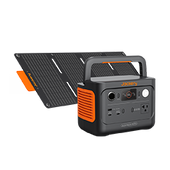
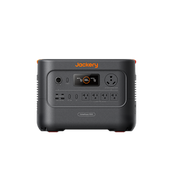
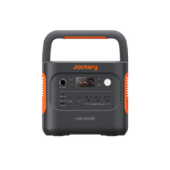
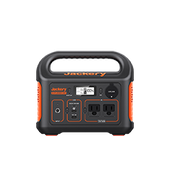
- Backup Power: Portable power stations or home battery backups, such as those from Jackery, to keep lights, phones, WiFi, and small appliances running.
- Food and Water: Non-perishable food, powdered or shelf-stable milk, canned goods, and at least several gallons of drinking water.
- Cooking Alternatives: Gas camping stove, portable induction cooktop, or a grill with proper ventilation and safety features.
- Medical Supplies: First-aid kit, prescription refills, pain relievers, baby supplies, and personal hygiene essentials.
- Emergency Tools: Flashlights, headlamps, extra batteries, a multi-tool, duct tape, matches, and portable chargers.
- Winter Clothing: Thermal wear, thick socks, gloves, scarves, boots, hats, and waterproof outer layers.
- Ice Melt and Shovels: To keep steps, walkways, and driveways clear and reduce slipping hazards.
- Car Emergency Kit: Blanket, scraper, jumper cables, traction mats, flashlight, snacks, and emergency flares or reflectors.
- Essential Home Backup Solution: A reliable home battery backup like a Jackery Solar Generator to help power critical home devices when outages hit.
Which Jackery Products are Recommended for a Winter Emergency Plan?
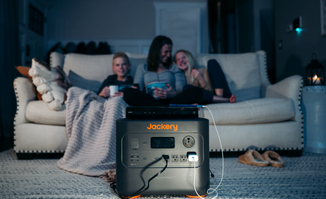
During winter storms, the biggest problems usually come from power loss that leads to no heating backup, no WiFi, no communication, and spoiled food in the refrigerator. A home battery backup solution gives you an indoor-safe way to keep essentials running when the grid goes down. Jackery Portable Power Stations can store power ahead of time and recharge through wall outlets or solar panels, making them useful in both short outages and extended emergencies. Here are two essential home generators to protect your family during winter storms:
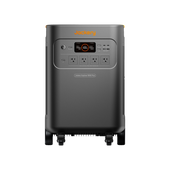
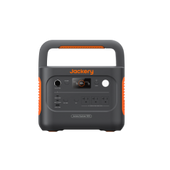
Jackery Solar Generator HomePower 3000
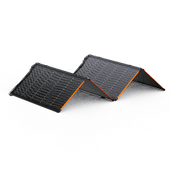
The Jackery Solar Generator HomePower 3000 offers a large battery capacity for powering essential appliances. It can power critical household appliances, such as refrigerators, WiFi routers, medical devices, lighting, small heaters designed for indoor battery use, and basic electronics. Solar panels in the bundle help maintain power through longer power outages by recharging the battery backup during daylight hours. It is ideal for families who want dependable and quiet home battery backup without dealing with fuel, fumes, or complicated wiring.
Appliances Running Time
- Refrigerator (200W) = 11.8H
- Portable Heater (500W) = 5.0H
- Electric Blanket (100W) = 21.4H
- WiFi Router (50W) = 36.3H
- TV (200W) = 11.8H
Who Should Buy This
The Jackery Solar Generator HomePower 3000 is ideal for homeowners who want substantial emergency backup and the ability to keep multiple critical devices running at once.

Customer Review
I was very impressed with the power stored within my HomePower 3000 and ran my fridge and freezer for 3 days.
— Robert
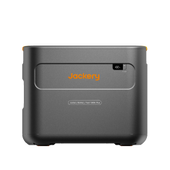
Jackery Solar Generator 5000 Plus
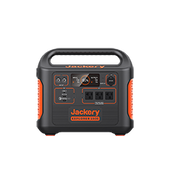
The Jackery Solar Generator 5000 Plus is an essential home backup solution that delivers even greater capacity and flexibility for larger households, extended power outages, or homes that rely on multiple electric devices simultaneously. It supports heavier loads, provides longer runtime, and pairs well with solar panels for ongoing recharging. If you live in a home in regions with frequent winter storms and multi-day outages, it adds a strong layer of security and comfort. It also supports dual-voltage operation, so you can power appliances that operate at 120V and 240V.
Appliances Running Time
- Refrigerator (200W) = 17.1H
- Portable Heater (500W) = 7.8H
- Electric Blanket (100W) = 28.6H
- WiFi Router (50W) = 42.8H
- TV (200W) = 17.1H
Who Should Buy This
The Jackery Solar Generator 5000 Plus is ideal for homeowners who want maximum runtime, more power availability, and peace of mind during long and repeated winter outages.

Customer Review
I bought this as a backup power option for power outages. This is an absolute beast of a home battery supply. It offers multiple output options, including AC, DC, and USB ports, and can power appliances like refrigerators and AC for hours. The user-friendly display and app provide real-time data on battery usage and remaining power.
— Kendra
How to Prepare the Inside of Your Home for a Safe Winter?
Preparing the inside of your home helps you hold heat longer, avoid breakdowns, and stay comfortable even if the weather turns harsh. Here are a few smart steps that can prevent expensive repairs and stress later:
- Seal and Insulate: Close air leaks around windows, doors, vents, and attic spaces. Add weatherstripping, foam sealant, and insulation where needed to keep warm air in and cold air out.
- Maintain Heating System: Schedule a furnace or heat pump check, replace filters, clean vents, and make sure carbon monoxide detectors work. A tuned system uses less energy and is less likely to fail during a freeze.
- Maximize Heat Retention: Use heavy curtains at night, close doors to unused rooms, lay rugs on bare floors, and block drafts. These simple habits help the household stay warm longer.
- Invest in a Solar Generator: A home battery backup like a Jackery Solar Generator provides indoor-safe emergency power for WiFi, lighting, phones, and other essentials during outages, without fuel or fumes.
- Protect Plumbing: Insulate exposed pipes, let faucets drip in extreme cold, and know how to shut off the main water supply in case of a burst.
- Create a Warm Zone: Pick one main room to gather in during outages. Keep extra blankets, sleeping bags, and safe heating options nearby.
How to Prepare the Outside of Your Home for a Harsh Winter?
Taking care of the outside of your home before winter hits reduces the risk of damage, leaks, and unexpected repairs. A little work before winter can prevent costly problems when snow, ice, and wind arrive.
- Cleaning Gutters: Clear leaves and debris so melting snow can drain properly. Clogged gutters lead to ice dams, roof leaks, and water damage inside walls.
- Securing Outdoor Items: Tie down or store patio furniture, grills, trash bins, and yard tools. Strong winds can turn loose items into hazards.
- Roof Inspection: Check shingles, flashing, and vents for damage. Fix small issues early so snow and ice don't create leaks later.
- Trim Trees and Branches: Cut weak or overhanging branches near the house, driveway, and power lines to reduce the risk of breakage during storms.
- Check Exterior Seals and Caulking: Seal cracks around windows, doors, pipes, and siding to stop drafts and prevent moisture from getting inside.
- Protect Outdoor Faucets: Shut off exterior spigots, drain hoses, and add covers to prevent frozen pipes.
- Mark Driveway and Walkways: Use stakes or markers to make snow removal easier and safer when visibility drops.
FAQs
How do you prepare your home for winter?
Start by sealing drafts, checking insulation, servicing your heating system, and stocking essentials like food, water, flashlights, and backup power. Prepare both inside and outside areas so your home stays warm, safe, and functional during storms and outages.
What are the 4 P's in freezing weather?
The "4 P's" usually refer to People, Pets, Pipes, and Plants. Keep everyone warm, bring pets inside, insulate exposed pipes, and cover or move fragile plants so they don't freeze during extreme cold.
What should be in a winter emergency kit?
A winter emergency kit includes blankets, non-perishable food, drinking water, flashlights, batteries, a first-aid kit, necessary medications, phone chargers, and backup power. You can also add items like an emergency radio, hand warmers, and extra socks for longer winter storms.
How do I make my house warmer in winter?
You can make your house warmer in winter by improving insulation, blocking drafts, closing unused rooms, using heavy curtains, and layering rugs on cold floors. Maintain your heating system and consider backup heating or battery-powered options to keep your home comfortable during outages.
Conclusion
Winter doesn't have to catch your home unprepared. With a clear winter preparedness checklist for home, the right supplies, and a plan for heat and backup power, you can handle storms, freezing temperatures, and outages with far less stress. Preparing early protects your home from damage, keeps your daily routines steady, and ensures your family stays safe and warm. You should focus on sealing drafts, maintaining systems, stocking essentials, and adding reliable home battery backup options, such as a Jackery Solar Generator.


