




















![[Add-on] Jackery Manual Transfer Switch for Explorer 5000 Plus](http://ca.jackery.com/cdn/shop/files/add-on-jackery-manual-transfer-switch-for-5000-plus-240V.webp?v=1757043692&width=170)















Power outages can strike unexpectedly, disrupting daily life and business. Concerns about food spoilage, loss of essential services, and anxiety about safety and communication during an outage are common. Understanding the causes and reporting procedures is crucial.
What Are the Common Causes of Power Outages?
Power outages in Toronto are frequently caused by several factors.
- Weather-related events: Ice storms, high winds, and lightning are significant contributors.
- Equipment failure: Issues with infrastructure, such as aging components, can lead to disruptions.
- Accidents: Vehicle collisions with utility poles are a common cause of localized outages.
- Animal interference: Wildlife can sometimes interfere with power lines and equipment.
Brief outages, often momentary interruptions, occur to protect the electrical system from damage. Persistent brief outages should be reported to Toronto Hydro for investigation.
How Do I Report a Power Outage in Toronto?
Knowing how to report an outage efficiently is vital.
- Immediate Safety First: Call 911 for life-threatening situations or downed power lines.
- Contacting Toronto Hydro: For electrical emergencies, call 416-542-8000 (press 1).
- Online Reporting: You can also report outages through Toronto Hydro's online outage map.
If Toronto Hydro cannot be reached, local news and social media can provide updates.
Your First Hour: A Power Outage Safety Checklist
When the power goes out, your immediate actions are crucial for safety and information gathering. Follow this checklist to assess the situation methodically.
Check Your Home First
Before assuming a neighborhood-wide outage, check your home's circuit breaker or fuse box. A tripped breaker can mimic a blackout but is easily fixed by flipping the switch back to the "on" position. If a specific circuit trips repeatedly, unplug appliances connected to it and consult an electrician.
How Can I Confirm the Scope of the Outage?
Look out your window to see if your neighbors have power. In an apartment or condo, check the hallway lights or common areas. This quick check helps you understand if the issue is isolated to your unit or is part of a larger Toronto black out.
How Can I Stay Informed During an Outage?
Staying informed is critical during an outage.
- Toronto Hydro's Outage Map: Utilize their online outage map and resources for real-time updates.
- Local News and Social Media: Monitor local news channels and official social media accounts for broader updates.
- Emergency Alerts: Pay attention to emergency alerts and notifications from official sources.
- Conserve Battery: Use your mobile phone's low power mode and minimize usage to conserve its battery for essential communication.
Prioritize Light and Safety
Use battery-powered LED flashlights or lanterns for illumination. Avoid using candles, as they pose a significant fire risk, especially when left unattended. Place flashlights in easily accessible locations throughout your home before an outage occurs.
What Hazards Should I Avoid?
A power outage in Toronto can create hidden dangers. Knowing what to avoid is as important as knowing what to do.
- Downed Power Lines: Never approach or touch a downed power line. Assume it is live and dangerous, and stay at least 10 meters (the length of a school bus) away. Report it to 911 and Toronto Hydro immediately.
- Carbon Monoxide: Never use fuel-burning equipment like gas or charcoal barbecues, propane heaters, or portable gas generators indoors. These devices produce deadly, odourless carbon monoxide gas. Ensure you have working, battery-operated CO detectors.
- Elevators: If the power goes out, use the stairs. If you or someone you know is trapped in an elevator, use the emergency phone or alarm button to call for help and wait for assistance from building staff or emergency services.
Protecting Your Food, Appliances, and Electronics
Once you've addressed immediate safety concerns, the next priority is protecting your property. A prolonged Toronto power outage can lead to food spoilage and damage to sensitive electronics if you don't take preventive measures.
Keep the Fridge and Freezer Closed
Resist the urge to open your refrigerator or freezer doors. A closed refrigerator will keep food at a safe temperature for about 4 hours. A full freezer can maintain its temperature for approximately 48 hours, while a half-full one will last about 24 hours.
How Can I Prevent Power Surge Damage?
When power is restored, it can sometimes create a surge that damages sensitive electronics. Unplug devices like computers, televisions, stereos, and gaming consoles to protect them. A portable power station with a UPS (Uninterruptible Power Supply) function can provide seamless backup power and surge protection for critical devices.
How Can I Protect Medical Necessities?
For those who rely on temperature-sensitive medications like insulin, immediate action is vital. Move these medications to a cooler with ice or freezer packs as soon as the power goes out. This ensures they remain at a safe and effective temperature.
Preparing for a Power Outage in Toronto
The key to navigating any emergency without panic is preparation. Assembling a dedicated power outage kit ensures you have everything you need the moment the lights go out.
What Should Be in My Home Emergency Kit?
Your basic emergency kit should contain a three-day supply of essentials for every member of your household.
- Non-perishable food and water: Store at least four litres of water per person per day and non-perishable food items like canned goods, energy bars, and dried fruit. Don't forget a manual can opener. Be aware of any boil water advisories that may be issued post-outage.
- Flashlights, batteries, and a battery-powered radio: Keep several LED flashlights with extra batteries. A hand-crank or battery-powered AM/FM radio is essential for receiving official updates.
- First-aid kit and essential medications: Include a complete first-aid kit, any necessary prescription medications, pain relievers, and other personal hygiene items.
- Blankets, warm clothing, and sleeping bags: Ensure you have adequate warmth, especially during colder months.
- Cash in small denominations: ATMs and credit card machines may not work during an outage.
- Important documents: Keep copies of essential documents in a waterproof bag.
- Fully charged power banks: These are crucial for mobile devices.
- Alternative cooking methods: Have a plan for safe cooking, such as a camping stove or barbecue used exclusively outdoors.
What Are the Specifics for Apartments & High-Rises?
Living in a Toronto condo or apartment building presents unique considerations. If you live on a high floor, be prepared to use the stairs, and consider how you would manage this with groceries or if you have mobility challenges. Discuss a plan with your neighbors to check on one another, particularly those who are elderly or have disabilities and may need assistance.
How Can Businesses Prepare for Power Outages?
Businesses also need robust preparedness plans.
- Business continuity plan: Develop a comprehensive plan to maintain operations during an outage.
- Backup power solutions: Implement backup power for critical systems to prevent data loss and operational downtime.
- Data protection and communication strategies: Ensure data is backed up and communication channels remain open.
- Employee safety protocols: Establish clear safety protocols for employees during an outage.
Using a Portable Power Station During Outages
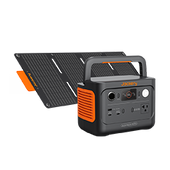
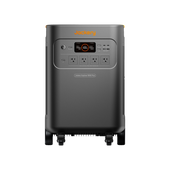
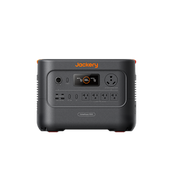
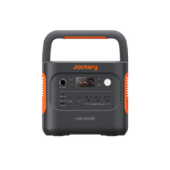
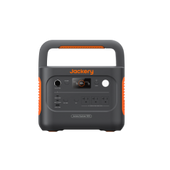
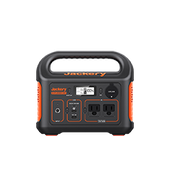
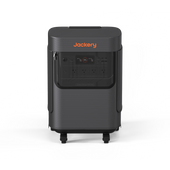
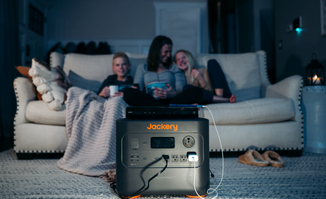
Going without power means more than just sitting in the dark; it means losing communication, work, and even medical support. Portable power stations are the definitive solution for a power outage in Toronto, offering safe, silent, and fume-free energy.

Why Is Portable Power Ideal for Toronto?
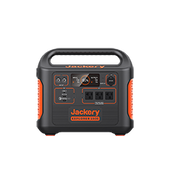
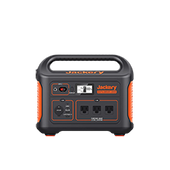
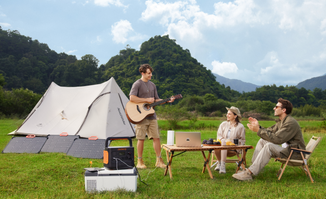
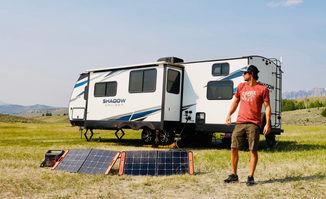
Unlike gas generators, which are noisy, produce harmful fumes, and are prohibited in apartments and on condo balconies, portable power stations are designed for indoor use. They are compact, quiet, and can be recharged from a standard wall outlet before an outage, a car outlet, or even solar panels for extended grid-down situations. This makes them the perfect backup solution for urban living.
For more information, see our guide on how a portable generator in Canada can help with power outages.
|
Model |
Capacity |
Key Use Case |
Ideal For |
|---|---|---|---|
|
288Wh |
Basic charging |
Keeping phones & tablets powered |
|
|
1070Wh |
Essential electronics |
Apartment renters, short outages |
|
|
3072Wh |
Home essentials |
Homeowners, extended outages |
Post-Outage Recovery
The hum of appliances coming back to life is a welcome sound, but a few simple steps can protect your home as the grid stabilizes.
How Is Power Restored?
Toronto Hydro crews work diligently to restore power safely and efficiently. Repairs are prioritized based on public safety and restoring power to critical infrastructure and the largest number of customers first.
Wait Before Plugging In
Wait 5-10 minutes after the power is fully restored before plugging your electronics back in. This brief delay helps avoid the initial surges that can occur as the system comes back online.
Reconnect Gradually
Plug in and turn on your appliances one by one. Start with the most important ones, like your refrigerator and freezer, before moving on to less critical devices. This prevents a sudden demand from overloading your home's circuits.
Inspect and Reset
Do a quick walkthrough of your home to check for any flickering lights, which could indicate a lingering issue. You will also need to reset digital clocks, smart home devices, and Wi-Fi routers that may not have reconnected automatically.
Food Safety Check
When it comes to food, safety is paramount. If your refrigerator was without power for more than 4 hours, you should discard perishable items like meat, dairy, and leftovers. Always follow the rule: "when in doubt, throw it out."
Be Prepared, Not Panicked
A power outage in Toronto can range from a minor annoyance to a major disruption. The difference lies entirely in your level of preparedness. By taking calm, informed steps, you can navigate the situation safely and effectively.
A well-stocked emergency kit and a reliable portable power station are the cornerstones of modern outage readiness. A Jackery Solar Generator turns a potential crisis into a manageable inconvenience, keeping your lights on, your devices charged, and your family safe. Don't wait for the next Toronto power outage—build your kit and choose your power solution today to ensure you're always prepared.
Frequently Asked Questions
How can I stay updated on the estimated restoration time for an outage in my area?
Check Toronto Hydro's official power outage map frequently for real-time updates. You can also sign up for their text or email outage alerts for direct notifications.
What should I do if a family member relies on life-sustaining medical equipment that requires power?
Register for Toronto Hydro's Medical Alert program to make them aware of your needs. Most importantly, have a reliable backup power plan, such as a portable power station with a UPS function, to ensure the device runs without interruption.
Are there any community resources or warming/cooling centers available during widespread or prolonged outages?
During major events, check the City of Toronto's official website or social media channels. They will announce the locations of any designated community warming or cooling centers available to the public.
Beyond the recommended Jackery models, what are the key specifications I should look for when comparing other portable power stations for a power outage?
Prioritize battery capacity (measured in Wh), which determines runtime, and power output (in W), which dictates what devices you can run. Also, consider the number and type of outlets and the ability to recharge with solar panels for extended independence.
What are some lesser-known tips for conserving battery life on my phone and other essential devices during an outage?
Enable your device's low power mode, manually turn off background app refresh and push notifications, and reduce screen brightness. Keeping your device in a cool, stable temperature can also help preserve battery performance. For more tips, see our guide on what to do when the power goes out.


