














![[Add-on] Jackery Manual Transfer Switch for Explorer 5000 Plus](http://ca.jackery.com/cdn/shop/files/add-on-jackery-manual-transfer-switch-for-5000-plus-240V.webp?v=1757043692&width=170)












Proactive snowstorm preparedness is non-negotiable for anyone living through a Canadian winter. Severe winter storms frequently cause widespread power outages, posing significant risks to your safety and property.
This guide directly tackles anxieties about prolonged grid failure and provides actionable checklists for your home, vehicle, and personal safety, ensuring you can face any winter storm with confidence and comfort.
Step 1: Understand Weather Alerts and Stay Informed
Effective snowstorm preparedness begins with knowing what's coming. Familiarizing yourself with official alerts from Environment and Climate Change Canada is the first step to making timely, safe decisions.
What Do the Weather Alerts Mean?
|
Alert Type |
Meaning |
|---|---|
|
Winter Storm Warning |
Severe weather conditions are occurring or imminent. Take action now to secure your home and prepare for the impact. |
|
Winter Storm Watch |
Conditions are favorable for a severe winter storm. This alert gives you time to finalize preparations. |
|
Winter Weather Advisory |
Less severe but still hazardous conditions, such as light freezing rain or blowing snow. |
|
Blizzard Warning |
Issued when heavy snow is combined with strong winds (40 km/h or more), causing near-zero visibility for at least four hours. Avoid all travel. |
|
Extreme Cold Warning |
Dangerously low temperatures or wind chill values create an elevated risk of frostbite and hypothermia. Limit time outdoors. |
How Can You Stay Informed?
Redundancy is key when communication lines are at risk.
- Primary: Monitor Environment Canada for severe storm conditions and warnings. Download and use the official WeatherCAN app on your smartphone.
- Secondary: Listen to local news and weather reports via radio, TV, or social media. Follow your local municipality's official social media accounts for crucial real-time updates.
- Backup: A hand-crank or battery-powered weather radio is an indispensable tool. It ensures you can receive emergency broadcasts even if the power grid and cellular networks fail completely. Pay attention to instructions from officials and community leaders.
Step 2: Fortify Your Home Against the Cold
Your home is your primary shelter during a winter storm in Canada. Taking steps to reinforce it against the cold and secure a reliable power source is the most important part of your preparation.
How Do You Insulate and Seal Your Home?
- Reduce heat loss: Insulate walls and attics to retain heat. Go through your home and identify drafts around windows and doors.
- Seal drafts: Caulk and weather-strip windows and doors to seal drafts. Install storm windows or cover windows for heat retention.
- Protect plumbing: Insulate any exposed water pipes, especially those in unheated basements, crawl spaces, or garages. Know how to shut off your main water supply in case of a burst pipe.
What Home Systems Need Maintenance?
- Heating systems: Maintain heating systems and have them serviced annually. Ensure your furnace is serviced before winter arrives and keep a few extra filters on hand.
- Vents: Clear furnace and exhaust vents of snow and ice to prevent carbon monoxide buildup.
- Detectors: Test all of your smoke and carbon monoxide (CO) detectors and replace their batteries to ensure they are fully operational.
How Do You Secure Backup Power?
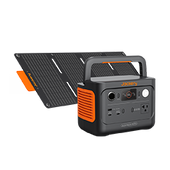
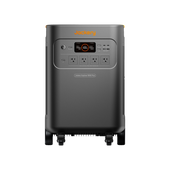
For essential home resilience during extended outages, a powerful solar generator can keep your critical systems running.
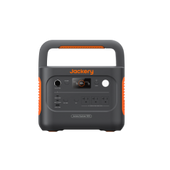
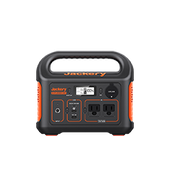
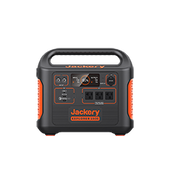
Jackery Solar Generator HomePower 3000
- Powers key household circuits when the grid goes down.
- Can power a full-size refrigerator, lights, and WiFi router for approximately 2 days on a single charge.
- Compatible with a manual transfer switch for seamless integration with your home's electrical panel.
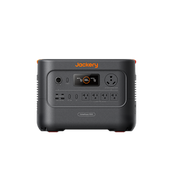
For those seeking even more robust and expandable power, a larger system provides greater capacity and advanced features.
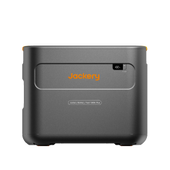
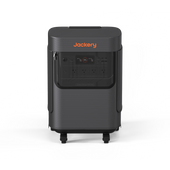
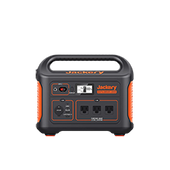
Jackery Solar Generator 5000 Plus
- Offers a powerful, modular solution for comprehensive home backup.
- Provides a 0ms instant power transition (UPS) for sensitive electronics like computers and medical devices.
- On its base 5kWh charge, it can run a furnace blower (1500W) for 2.8 hours or a standard refrigerator (400W) for 9.5 hours.
CRITICAL SAFETY NOTE: Never use outdoor combustion devices like gas generators, barbecues, or propane camp stoves inside your home, garage, or any enclosed space. They produce carbon monoxide (CO), a colorless, odorless gas that can be fatal in minutes. Install working carbon monoxide detectors on every level of your home.

What Snow Removal Equipment Should You Have?
- Availability: Have shovels, snow removal equipment, and rock salt or sand readily available.
- Maintenance: Service snow removal equipment before winter begins.
Step 3: Assemble Your 72-Hour Emergency Kits
The Government of Canada recommends having enough supplies to be self-sufficient for at least 72 hours. Prepare two separate kits: one for sheltering in place at home and a smaller one for your vehicle.
What Goes in a Home Emergency Kit?
- Water: At least 4 liters per person per day for drinking and sanitation. A family of four needs 48 litres for a three-day supply.
- Food: Non-perishable, easy-to-prepare items for at least 3 days. Stock energy bars, dried fruit, nuts, and canned fish or beans, with a manual can opener.
- First Aid: A comprehensive kit with pain relievers, bandages, and antiseptic wipes.
- Medications: Extra supply of prescription medications and over-the-counter cold/flu remedies.
- Lighting: Flashlights with extra batteries or headlamps.
- Communication: Battery-powered or hand-crank radio, fully charged power bank.
- Warmth: Blankets, sleeping bags, and extra layers of warm clothing. Wool and fleece are excellent choices.
- Sanitation: Toiletries, garbage bags, and moist towelettes.
- Cash: Small bills in case electronic transactions are unavailable.
- Special Needs: Baby formula, diapers, pet food, and any specific medical supplies.
What Goes in a Vehicle Emergency Kit?
Your car can become a life-saving shelter if you are stranded.
- Communication: Mobile phone and charger.
- Lighting: Flashlight with extra batteries.
- Warmth: Extra warm clothing, blankets, and candles.
- Essentials: Emergency toilet supplies and items for melting snow for water.
- Traction: Traction aids (sand, salt, or cat litter).
- Visibility: Windshield scraper and brush.
- Tools: Jumper cables, small shovel, and tow rope.
- Navigation: Basic tools, compass, and road maps.
- Pro-tip: Keep your vehicle's gas tank at least half full throughout the winter to prevent fuel line freezing.
Step 4: Prioritize Personal Safety and Well-being
During and after a winter storm in Canada, your personal safety is paramount. This involves dressing correctly, knowing the signs of cold-related illness, and looking out for others in your community.
How Should You Prepare Your Vehicle for Winter?
- Tires: Install winter tires for improved traction.
- Fluids: Check fluid levels (antifreeze, oil, windshield washer fluid).
- Functionality: Ensure lights, heater, and windshield wipers are functional.
- Battery & Pressure: Check battery health and tire pressure.
- Starting: Plug in your vehicle in extreme cold to ensure starting.
What Are the Rules for Driving in a Snowstorm?
- Travel: Avoid unnecessary travel; stay off roads if possible.
- Information: Check forecasts and road conditions before driving (e.g., 511 services).
- Visibility: Clean all snow and ice off your vehicle before driving.
- Technique: Drive slowly, increase following distance, and avoid sudden braking or accelerating.
- Fuel: Keep the gas tank at least half-full to prevent fuel line freezing.
- Communication: Inform others of your travel plans and routes.
What Should You Do If Stranded in Your Vehicle?
- Stay Calm: Stay calm and remain with your vehicle.
- Heat: Run the engine occasionally for heat, ensuring the exhaust pipe is clear of snow.
- Ventilation: Allow fresh air into the vehicle by cracking a window slightly.
- Signal: Signal for help using hazard lights or a brightly colored cloth.
How Should You Dress for Extreme Cold?
- Layers: Dress warmly in layers to trap body heat.
- Protection: Protect exposed skin with hats, gloves, scarves, and waterproof outer layers.
- Footwear: Wear appropriate footwear with good traction.
How Do You Recognize and Treat Cold-Related Illnesses?
- Frostbite:
- Symptoms: Numbness, white/grayish skin, and a hard/waxy feel.
- First aid: Move to a warm place, warm affected area gently, and seek medical help.
- Hypothermia:
- Symptoms: Shivering, confusion, slurred speech, and drowsiness.
- First aid: Move to a warm place, remove wet clothing, warm the center of the body, and seek medical help.
- Overexertion: Avoid overexertion when clearing snow to prevent heart attacks.
How Can You Help Vulnerable People in Your Community?
- Community Care: Check on elderly neighbors, those with medical conditions, or anyone who may need assistance.
- Offer Help: Offer help with snow removal or ensure they have necessary supplies.
How Do You Care for Pets and Animals During a Storm?
- Pets Indoors: Bring pets indoors during extreme cold.
- Shelter Animals: Ensure animals in shelters have extra bedding, food, and unfrozen water.
- Livestock: Provide extra feed for livestock.
After the Storm: Key Safety Checks
Once the storm has passed, the work of recovery begins.
How Can You Clear Snow Safely?
- Avoid Overexertion: Avoid overexertion when shoveling snow. Take frequent breaks and stay hydrated.
- Clear Walkways: Clear snow and ice from walkways to prevent falls.
- Fire Hydrants: Clear snow from fire hydrants near your property.
What Hazards Should You Watch For After the Storm?
- Power Lines: Be wary of fallen power lines and debris; report them to authorities.
- Home Damage: Inspect your home for damage, especially the roof and gutters.
What About Mental Health and Other Resources?
- Address Stress: Address stress and anxiety that can arise after a storm.
- Utilize Resources: Utilize resources like 211 or local community support services for help and shelter.
Conclusion
Proactive snowstorm preparedness is essential for safety and peace of mind during Canadian winters. By preparing your home, stocking emergency kits, readying your vehicle, and staying informed, you can protect yourself and your community. Take these steps to ensure you are ready for any winter storm.
Frequently Asked Questions
What are common mistakes people make during winter storm preparation that can actually put them at greater risk?
The most dangerous mistakes include using outdoor combustion devices like BBQs or propane heaters indoors, which causes fatal carbon monoxide poisoning. Another is forgetting to clear exhaust vents for furnaces and dryers, which can also lead to CO buildup in the home.
How can I effectively manage my mental well-being and combat feelings of isolation or anxiety during a prolonged winter storm outage?
Maintain a routine as much as possible and stay occupied with offline activities like reading, board games, or organizing. Use a power station to keep a phone charged for periodic check-ins with family and friends to combat isolation.
Beyond the immediate storm, what long-term home improvements or investments can significantly reduce vulnerability to future winter weather events?
Upgrading to high-efficiency triple-pane windows offers significant long-term heat retention. Installing a permanent backup heat source, like a wood stove (with proper ventilation), or investing in a whole-home solar generator system provides lasting energy resilience.
If I have specific medical needs (e.g., an oxygen concentrator, refrigerated medication), what additional steps should I take to ensure continuity of care during a power outage?
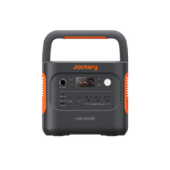
You must have a robust backup power plan, such as a Jackery power station with UPS functionality to ensure no interruption of power. Inform your utility company of your medical needs ahead of time and have a plan to relocate to a place with power if the outage is prolonged.
What resources are available for financial assistance or community support if my home is severely damaged or I experience significant losses due to a winter storm?
First, contact your home insurance provider to start a claim. For widespread disasters, the Government of Canada may activate the Disaster Financial Assistance Arrangements (DFAA), and provincial governments may offer their own aid programs.


