











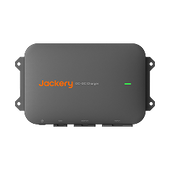
![[Add-on] Jackery Manual Transfer Switch for Explorer 5000 Plus](http://ca.jackery.com/cdn/shop/files/add-on-jackery-manual-transfer-switch-for-5000-plus-240V.webp?v=1757043692&width=170)






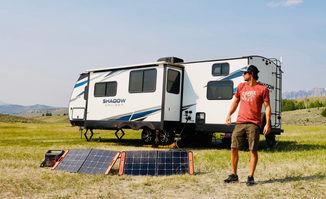

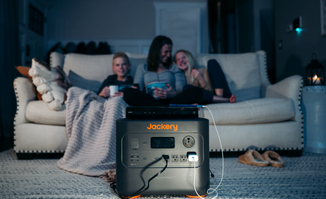




From powerful winter storms affecting the Canadian power grid to the desire for self-sufficiency in an off-grid cabin in the Muskokas, reliable power is a growing concern for Canadians.
This guide explains why LFP (LiFePO4) batteries are the superior choice for modern power needs and how to select the right Jackery solution to ensure you have secure, sustainable energy whenever and wherever you need it.
What Makes an LFP Battery the Superior Choice?
An LFP battery, short for Lithium Iron Phosphate, is a specific type of rechargeable lithium-ion battery. Its unique chemical makeup, using a lithium iron phosphate cathode, is renowned for providing exceptional safety and an incredibly long operational lifespan.
These characteristics make LiFePO4 batteries the ideal foundation for portable power stations designed for home, work, and adventure.
How Long Do LFP Batteries Last?
The longevity of LFP chemistry is its most significant advantage. LFP batteries, like those in Jackery’s latest solar generators, deliver thousands of charge cycles—often 3,000 to 4,000 or more—before their capacity drops to 80%. For a typical user, this translates to a reliable lifespan of more than 10 years, even with regular use, significantly reducing replacement frequency.
How Safe Are LFP Batteries?
The phosphate-based chemistry of LFP batteries is structurally stable and far less prone to thermal runaway than other lithium-ion types like NMC (Nickel Manganese Cobalt). They do not release hazardous gases and their stable iron phosphate cathode prevents fire or explosion risks.
Are LFP Batteries a Good Value?
While the initial purchase price of an LFP battery may be higher than a traditional lead-acid battery, its total cost of ownership is significantly lower. The extended 10+ year lifespan means you won't need to replace it every two to three years. This long-term durability, combined with zero maintenance requirements, delivers far greater value over the product's life.
Are LFP Batteries Ethical and Sustainable?
LFP batteries are manufactured without cobalt, a mineral often associated with unethical mining practices and significant environmental impact. They are also free of nickel, making them more environmentally friendly. By choosing cobalt-free chemistry, you are opting for a more sustainable and ethically sourced power solution, reducing e-waste due to their longer lifespan and easier recyclability.
LFP vs. Traditional Batteries: A Practical Comparison
Understanding the key differences between LFP and older battery technologies demonstrates why it has become the new standard for reliable power. The comparison highlights clear advantages in efficiency, portability, and convenience.
LFP vs. Lead-Acid (The Upgrade)
For decades, lead-acid batteries were the default for off-grid and backup power, but LFP technology represents a monumental upgrade in every practical measure.
|
Feature |
LFP (Lithium Iron Phosphate) |
Lead-Acid |
|---|---|---|
|
Usable Energy |
~90-100% of rated capacity |
~50% of rated capacity |
|
Lifespan |
4,000+ cycles (10+ years) |
300-500 cycles (2-3 years) |
|
Weight & Size |
Lightweight and compact |
Heavy and bulky |
|
Maintenance |
None required |
Regular fluid checks and cleaning |
|
Efficiency |
High round-trip efficiency (~95%) |
Lower efficiency (~80-85%) |
One of the most critical differences is usable energy. An LFP battery allows you to use nearly its entire rated capacity, whereas a lead-acid battery should only be discharged to about 50% to avoid permanent damage. This means a 1000Wh LFP battery provides almost double the usable power of a 1000Wh lead-acid battery.
Furthermore, LFP technology is significantly lighter and more compact. Jackery power stations built with LFP batteries are up to 40% smaller and 34% lighter than competing units with the same capacity, making them far easier to transport and store. Their "set and forget" nature requires no maintenance, unlike the constant upkeep needed for lead-acid batteries.
LFP vs. Other Lithium-Ion (NMC/NCA)
Within the lithium-ion family, LFP stands out for its specific benefits. Other common chemistries like NMC and NCA (Nickel Cobalt Aluminum) are often used in electric vehicles and electronics where energy density (power per kilogram) is the absolute priority. However, this higher energy density comes at the cost of a shorter cycle life and lower thermal stability.
When comparing LFP to NMC/NCA, the key differences are:
- Safety & Stability: LFP chemistry prioritizes safety and longevity, making it superior in thermal stability and far less prone to overheating compared to NMC/NCA.
- Lifespan: LFP offers a significantly longer cycle life, making it a better long-term investment.
- Sustainability: LFP is cobalt-free, unlike NMC/NCA, making it the more ethical and environmentally friendly choice.
- Application: These traits make LFP the ideal choice for applications like home battery backup and portable power stations, where reliability and long-term value are more important than achieving the smallest possible size.
If your priority is safety, a decade-long lifespan, and consistent performance, LFP is the superior lithium-ion technology.
Powering Your Life: Real-World LFP Applications
The benefits of LFP batteries translate directly into practical, real-world solutions for a variety of Canadian lifestyles.
|
Use Case |
Details & Solution |
Example |
|---|---|---|
|
Home Backup & Emergencies |
Problem: Power outages leave you without essential power. |
The Jackery Solar Generator 2000 v2 can power a refrigerator, lights, WiFi, and a CPAP machine during an outage. |
|
Off-Grid Living |
Problem: Powering a remote dwelling needs a consistent energy source. |
The Jackery Solar Generator 1000 v2 is ideal for van life or powering small appliances at a remote cabin. |
|
Outdoor Recreation & Work |
Problem: Outdoor professionals and hobbyists need reliable power for tools and gear. |
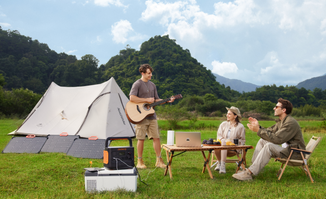
Jackery LFP models operate in temperatures from -20°C to 45°C (-4°F to 113°F), ensuring reliable performance for any outdoor activity. |
Choosing Your Ideal Jackery LFP Power Station
Selecting the right LFP power station starts with understanding your specific energy requirements.
Step 1: How Do I Calculate My Power Needs?
First, list the essential devices you want to power. Find the wattage (W) listed on each device's label or in its manual. Then, estimate how many hours you'll need to run each one.
Use this simple formula to determine your total energy needs: Device Wattage (W) x Hours of Use = Watt-hours (Wh) needed
Add up the Watt-hours for all your devices to get a total. This number will help you choose a power station with adequate capacity.
Step 2: How Do I Select the Right Model?
With your energy needs calculated, you can select the perfect Jackery model.
|
Use Case |
Model |
Key Specifications |
Best For |
|---|---|---|---|
|
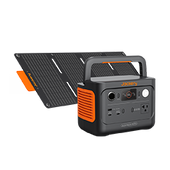
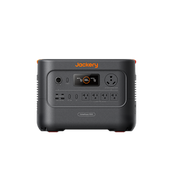
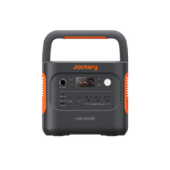
Moderate Use & Portability |
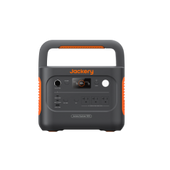
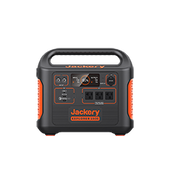
• Capacity: 1070Wh |
Weekend camping, home office backup, powering small appliances, or as a versatile portable power station in Canada. |
|
|
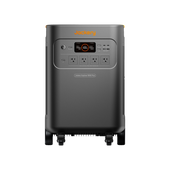
Extended Use & Home Backup |
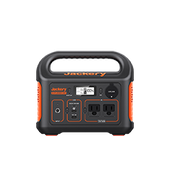
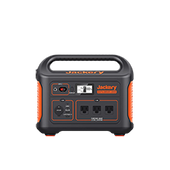
• Capacity: 2042Wh |
Emergency home backup, extended off-grid trips, or powering high-draw tools on a job site. |
For those seeking a fully scalable solution, expandable models like the Jackery Solar Generator 2000 Plus offer the ability to add battery packs, creating a robust system for essential-home power with a capacity of 2-24 kWh.

Debunking Common LFP Myths
Misinformation can create confusion around new technologies. Here are the facts behind common LFP myths.
Myth: "They don't work in the cold."
Fact: While all batteries see some performance degradation in extreme cold, LFP systems like Jackery's are engineered with advanced battery management systems (BMS). They are officially rated for operation in temperatures as low as -4°F, making them suitable for Canadian winters.
Myth: "You can't charge them to 100%."
Fact: This is a misunderstanding often related to older battery chemistries. The robust LFP chemistry, managed by a quality BMS, is designed to be charged safely and efficiently to its full capacity without degrading the battery's health.
Myth: "They are too expensive."
Fact: While the upfront cost of LFP is higher than lead-acid, the investment pays for itself. A 10+ year lifespan and zero maintenance costs result in a significantly lower total cost of ownership, making LFP the more economical choice in the long run. The Canadian government also offers incentives for energy storage solutions that can help offset costs.
Your Next Step to Secure, Sustainable Power
LFP batteries represent a clear technological leap forward, offering a safer, longer-lasting, and better-value power solution for Canadians.
For reliable home backup during outages, sustainable power for off-grid adventures, or dependable energy for professional work, an LFP-based system is the smartest investment. By choosing this advanced technology, you are securing peace of mind for years to come.
Frequently Asked Questions
How do LFP batteries perform in extreme summer heat, and what precautions should be taken?
LFP batteries are robust up to 45°C (or 113°F), but extreme heat can affect long-term health. For optimal lifespan, store and operate the unit in a shaded, well-ventilated area and avoid leaving it in a hot car.
Can LFP power stations be integrated with existing home solar panel systems, beyond just charging the unit?
While Jackery solar generators are designed as standalone plug-and-play systems, they can be charged by third-party panels with the correct adapters. However, direct integration as a central storage unit for a home's main electrical panel requires a dedicated home energy storage system.
What are the environmental disposal considerations for LFP batteries at the end of their 10+ year lifespan in Canada?
LFP batteries are more environmentally friendly than other types and are recyclable. As they reach end-of-life, they can be taken to designated e-waste recycling facilities in Canada that handle lithium-ion batteries, ensuring materials are recovered responsibly.
Are there specific LFP battery models or brands recommended for very remote, unheated Canadian locations where temperatures consistently drop below -20°C?
For environments that consistently fall below the -20°C operating limit, specialized solutions are needed. Consider using an insulated or heated battery box to maintain the unit's temperature within its optimal operating range during extreme cold snaps.


