


















![[Add-on] Jackery Manual Transfer Switch for Explorer 5000 Plus](http://ca.jackery.com/cdn/shop/files/add-on-jackery-manual-transfer-switch-for-5000-plus-240V.webp?v=1757043692&width=170)















From hurricanes to equipment faults, Nova Scotia faces frequent power interruptions that leave residents anxious when official updates lag.
Peace of mind comes from knowing how to use the Nova Scotia power outage map and preparing reliable backup solutions. This guide ensures safety and connectivity when the lights go out.
How Does Nova Scotia Power Prioritize Restoration?
Restoration follows a strict hierarchy designed to maximize safety and grid stability when widespread outages occur. Understanding this order helps manage expectations regarding when specific homes will come back online.
- Safety First: Public safety is the immediate priority. Restoration crews cannot begin repairs until wind speeds drop to safe levels. Teams focus first on de-energizing and repairing live downed lines or addressing hazards that pose an immediate threat to life.
- Critical Infrastructure: Hospitals, emergency services, police stations, and water treatment plants receive priority attention once safety hazards are cleared. These facilities are essential for community management during a crisis and must be operational before residential lines.
- Transmission Lines: Repairs then focus on high-voltage transmission lines and substations. Fixing these major arteries restores power to the largest number of customers simultaneously. This approach is the most efficient way to bring the grid back up for most of the province.
- Neighborhood Level: Local feeders and individual service lines are repaired last. This hierarchy explains why a neighbor across the street, fed by a different line or phase, might have power while you do not. Individual service line damage often requires a specific crew to visit a single address.
How to Use the Nova Scotia Power Outage Map
The Nova Scotia power outage map is the primary tool for residents to track grid status. While generally reliable, users must understand its features and limitations to use it effectively during a crisis.
How Does the Map Work?
The map interface displays real-time grid status, allowing users to zoom in on specific neighborhoods or view province-wide outage clusters. The search feature permits looking up specific addresses to see if an outage has been officially registered at that location.
What Do the Icons Mean?
Icons represent specific outage causes and crew status. Clicking on specific outage markers reveals critical data points, including the cause (e.g., High Winds, Salt Contamination, Equipment Damage), the status of the crew (e.g., Assessing, En Route), and the Estimated Restoration Time (ETR).
How Accurate Are Restoration Times?
Estimated Restoration Times are fluid predictions, not guarantees. These times change frequently based on damage assessments and evolving weather conditions. An ETR may jump from 4:00 PM to 10:00 AM the following day if crews discover extensive tree damage requiring heavy machinery.
Why Does the Map Lag?
High traffic volume causes data delays during major storms. The status shown on the map may be several hours old. If the interface shows Power Restored but your home is dark, verify the status via local radio or by checking with neighbors before reporting a new outage.
What If the Map Won't Load?
Browser cache issues often cause loading failures during high traffic. Clearing your browser cache can resolve display issues. If your home Wi-Fi is down, switch to cellular data on a mobile device to access the mobile-friendly version of the site.
What Backup Power Do You Need?
Reliable backup power is the only way to ensure safety and comfort during extended interruptions. Selecting the right solution depends on the specific wattage requirements of essential devices.
How Much Power Do You Need?
Required capacity equals the total running wattage of essential devices. A CPAP machine, a refrigerator, and a space heater have vastly different power draws. Summing these numbers determines the capacity required for a backup system.
What About Phones and Internet?
Small portable units suffice for charging smartphones and keeping internet routers online. Maintaining internet connectivity allows for remote work and access to the Nova Scotia power outage map for updates.
What Do You Need for Appliances?
High-wattage appliances like refrigerators, sump pumps, or microwave ovens require larger power stations. Understanding the full picture to know grid map in Canada helps identify when these backup systems are most critical to prevent food spoilage and basement flooding.
Which Generator Runs Heavy Appliances?
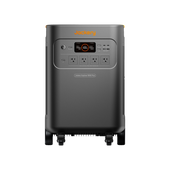
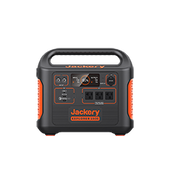
Jackery Solar Generator HomePower 3000 provides the necessary output for household appliances during heavy-duty backup scenarios.
Jackery Solar Generator HomePower 3000
- Capacity: 3072Wh
- Output: 3600W
- Charging: Solar and AC input options
- Use Case: The Jackery Solar Generator HomePower 3000 is capable of running essential heavy-duty appliances like refrigerators and sump pumps simultaneously during prolonged blackouts.
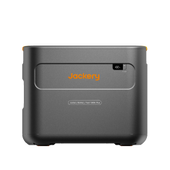
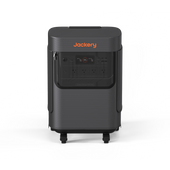
For comprehensive home protection, the Jackery Solar Generator 5000 Plus delivers massive, expandable capacity designed to sustain high-voltage equipment and sensitive electronics throughout extended outages.
Jackery Solar Generator 5000 Plus
- Voltage: Supports 120V and 240V dual voltage output.
- Capacity: Huge 5kWh capacity (5040Wh), expandable up to 60kWh for extended outages.
- UPS Function: Features a UPS with 0ms switchover time.
- Use Case: Ideal for essential battery backup for home, this system ensures seamless power transition for sensitive electronics and heavy-duty 240V appliances like well pumps.

Are Generators Safe Indoors?
Fuel-based generators emit carbon monoxide and must stay outdoors, away from windows and garages. Battery-based systems are safe for indoor use but should carry proper safety certifications to ensure reliability.
How to Report and Track Outages
Effective communication ensures the utility knows you are offline and helps you stay informed about restoration progress.
How Should You Report an Outage?
Report outages immediately via the online tool or phone. Do not assume the utility knows your power is out. Use the online reporting tool on the map or call the NS power outage phone number (1-877-428-6004). Immediate reporting helps the utility triangulate the fault location.
Where Else Can You Find Info?
Local radio and social media provide context beyond the official map. Do not rely solely on one source of information. Check the NS Power outages today twitter (now X) feed for real-time updates on crew movements and major infrastructure repairs.
How Can Neighbors Help?
Community reports confirm local line damage faster than official channels. Boots on the ground reports from neighbors can confirm if a line is down or if a transformer has blown before the official data reflects the event.
How Should You Prepare for a Storm?
Preparation reduces panic. A well-stocked kit and a clear plan turn a crisis into a manageable inconvenience.
Stock 72 hours of supplies and charge devices. Aim for 2 litres of water per person per day. Ensure flashlights are working and have a supply of fresh batteries. Fully charge all phones, laptops, and backup power stations before the weather hits. Download movies or games to devices for offline entertainment to keep morale high. Test smoke and carbon monoxide detectors. Ensure everyone in the household knows how to manually override electric garage doors to evacuate vehicles if necessary.
What Should You Do During the Outage?
Preserve food and protect electronics. Keep refrigerator and freezer doors closed. A full freezer will hold its temperature for roughly 48 hours if left unopened. A half-full freezer lasts about 24 hours. Unplug sensitive electronics like televisions, computers, and microwaves. Use safe indoor heating methods. Never use outdoor grills, camp stoves, or propane heaters designed for outdoor use inside the home. Carbon monoxide is odourless and deadly.
What Should You Do After Restoration?
Reconnect loads gradually to prevent surges. Turn on main appliances gradually over 10 to 15 minutes. While a portable generator in Canada can assist during the downtime, restocking supplies immediately is vital. Discard perishables if the refrigerator temperature rose above 4°C (40°F) for over two hours. When in doubt, throw it out. Recharge backup batteries and power stations to 100% to be ready for the next event.
How Do Residents Manage Outages?
Residents across Nova Scotia have adapted to grid instability using creative and practical solutions.
Remote workers utilize battery stations to keep modems and laptops running during local maintenance. This ensures deadlines are met even when the neighborhood grid is down.
CPAP machines run on portable power stations to ensure safe sleep during overnight outages. This independence eliminates the anxiety of sleeping without necessary respiratory support.
How Can You Save Your Groceries?
Refrigerators stay cold using high-capacity generators like the Jackery Solar Generator HomePower 3000. This prevents the loss of hundreds of dollars in groceries during multi-day storms, paying for the backup solution over time.
How Does Tracking Help?
Monitoring the map aids evacuation decisions. Families use charged tablets to monitor the Nova Scotia power outage map and weather radar. Staying informed about the storm's path helps them make decisions about whether to shelter in place or evacuate.
Conclusion
Reliability in Nova Scotia requires a mix of official tools, community intelligence, and personal preparedness. While the utility works to strengthen the grid, residents must take ownership of their resilience.
Understanding the grid's limitations allows residents to react calmly and safely. Residents looking for a power outage map and backup solution in Canada should audit their emergency kits today and ensure backup power solutions are ready to deploy. Preparation is the ultimate antidote to anxiety.
Frequently Asked Questions
How can I track restoration progress beyond the ETR?
Look for updates on NS Power's social media channels or local news outlets. These sources often provide context on crew locations and repair challenges that the map cannot display.
What if my neighbors have power but I don't?
Report your specific outage immediately; it might be an isolated issue with your service line. Do not assume the utility is aware of your individual status just because the neighborhood is largely restored.
Are there ways to get alerts for outages in my area?
Check if NS Power offers text or email notification services for your account. Subscribing to these alerts provides proactive updates directly to your mobile device.
Does NS Power offer financial assistance for food loss?
Review NS Power's policies or contact customer service directly regarding claims. Generally, compensation policies vary based on the cause and duration of the outage.
Can I get reimbursed for hotel stays during long outages?
Research NS Power's compensation policies for extended disruptions. Reimbursement is typically limited and subject to specific regulatory conditions.


