





Solar Generators

22% OFF

22% OFF
Solar Generator 5000 Plus
5040Wh | 7200W | 120V/240V

41% OFF

41% OFF
Solar Generator HomePower 3600 Plus
3584Wh Capacity | 3600W Output

51% OFF
51% OFF
Solar Generator HomePower 3000
3072Wh Capacity | 3600W Output

54% OFF
54% OFF
Solar Generator 2000 v2
2042Wh Capacity | Emergency Charge 1.7 Hrs

NEW
NEW
HomePower 2000 Plus v2 Solar Generator
2048Wh Capacity | 2400W Output

32% OFF
32% OFF
Solar Generator 1000 v2
1070Wh Capacity | Full Solar Charged in 3 Hrs

35% OFF
35% OFF
HomePower 1000 v2 Solar Generator
1024Wh Capacity | 1500W Output

NEW
NEW
Solar Generator HomePower 1000 Plus v2
1024Wh Capacity | 1800W Output
25% OFF
25% OFF
Solar Generator 300 Plus
288Wh Capacity | LiFePO4 Battery
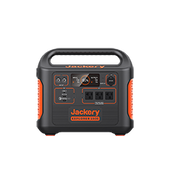
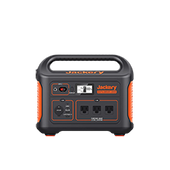
Portable Power Stations
22% OFF
22% OFF
Explorer 5000 Plus
5040Wh | 7200W | 120V/240V

42% OFF
42% OFF
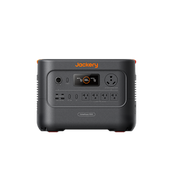
HomePower 3600 Plus
3584Wh Capacity | 3600W Output
51% OFF
51% OFF
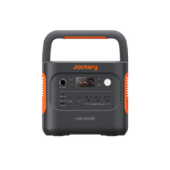
HomePower 3000
3072Wh Capacity | 3600W Output
56% OFF
56% OFF
Explorer 2000 v2
2042Wh Capacity | Emergency Charge 1.7 Hrs

NEW
NEW
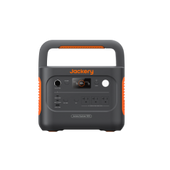
HomePower 2000 Plus v2
2048Wh Capacity | 2400W Output
40% OFF
40% OFF
Explorer 1000 v2
1070Wh Capacity | 1500W Output

36% OFF
36% OFF
HomePower 1000 v2
1024Wh Capacity | 1500W Output

NEW
NEW
HomePower 1000 Plus v2
1024Wh Capacity | 1800W Output

10% OFF
10% OFF
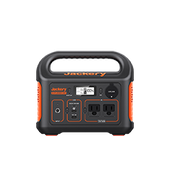
Explorer 300D
288 Wh Capacity | 140W Output
23% OFF
23% OFF
Explorer 300
291.84Wh Capacity | 300W Output
NEW
NEW
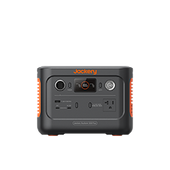
Explorer 300 Plus
288Wh Capacity | LiFePO4 Battery
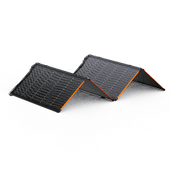
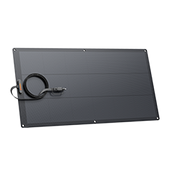
Solar Panels
Accessories
8% OFF
8% OFF
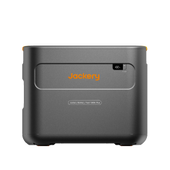
Battery Pack 5000 Plus
Compatibility with Explorer 5000 Plus

26% OFF
26% OFF
Battery Pack 3600 Plus
Compatible with Homepower 3600 Plus
39% OFF

39% OFF
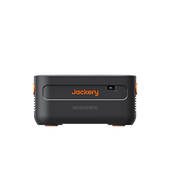
Battery Pack 2000 Plus
Compatibility with Explorer 2000 Plus

NEW
NEW
Battery Pack 2000 Plus v2
Compatible with HomePower 2000 Plus v2
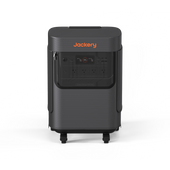
Explorer 5000 Plus Protective Cover
Compatible with 5000 Plus
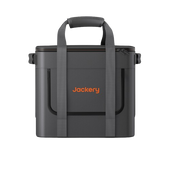
Extreme Guard Carrying Bag
Compatible with Explorer 1000 v2/2000 v2/HomePower 2000 Plus v2.
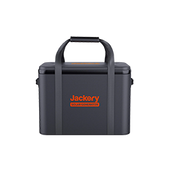
Carrying Case Bag (Middle Size)
Compatible with 500 / 600 Plus / 700 Plus / 880 Pro / 1000 / 1000 V2 / 1000 Pro / 1500 V2 / 1000 Plus / 2000 V2 / HomePower 2000 Plus V2
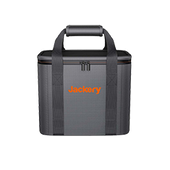
Carrying Case Bag (Small Size)
Compatible with 240/240 v2/300/300 Plus/500
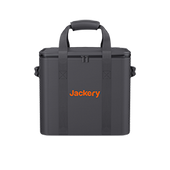
Carrying Case Bag (Large Size)
Compatible with 2000 Pro/1500 Pro/1500/1000 Plus/HomePower 2000 Plus V2
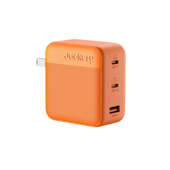
102W GaN 3-Port Fast Charger
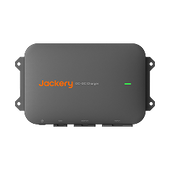
DC-DC Alternator Charger
Compatible with Jackery Explorer 600 v2/1000 v2/2000 v2/1000 Plus/2000 Plus/5000 Plus and HomePower 3000
![[Add-on] Jackery Manual Transfer Switch for Explorer 5000 Plus](http://ca.jackery.com/cdn/shop/files/add-on-jackery-manual-transfer-switch-for-5000-plus-240V.webp?v=1757043692&width=170)
Manual Transfer Switch (240V)
Compatible with 5000 Plus

DC Extension Cable
Compatible with Jackery SolarSaga 100W Solar Panel
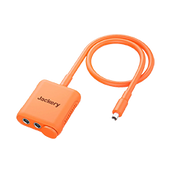
Solar Panel Connector
Compatible with Solar Generator Pro/Plus Series ( Except 100 Plus)

Battery Charging Cable
Compatible with all Jackery portable power stations
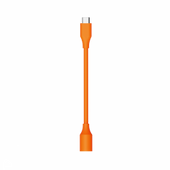
Adapter DC8020 to USB-C
This cable is fitted for 100 Plus series, 240 v2 series, 300v2 and 300 Plus series.
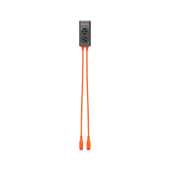
Connector
Compatible with Jackery Explorer 2000 Plus,Jackery HomePower 3600 Plus
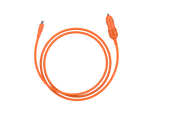
Car Charging Cable
Compatible with the Jackery Explorer Series, including 3000 Pro / 2000 Pro / 1500 Pro / 1000 Pro / 880 Pro / 800 Pro / 2000 Plus / 1000 Plus / 700 Plus / 600 Plus / 1500 / 1000 V2

DC Extension Cable Plus
32.8 ft of Freedom

Anderson Y Series Connector
Compatible with 100 Prime

Adapter DC8020 to DC7909
Compatible with Jackery Explorer Series:E1000 series, E700 series, E500 series, E240 serie
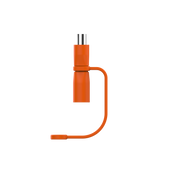
Adapter DC7909 to DC8020
Compatible with Jackery Explorer 3000 Pro / 2000 Pro / 1500 Pro / 1000 Pro / 880 Pro / 800 Pro / 2000 Plus / 1000 Plus / 700 Plus / 600 Plus / 1500
Official Refurbished


