












![[Add-on] Jackery Manual Transfer Switch for Explorer 5000 Plus](http://ca.jackery.com/cdn/shop/files/add-on-jackery-manual-transfer-switch-for-5000-plus-240V.webp?v=1757043692&width=170)











Success on the ice depends on safe, strategic shelter placement. Anglers often battle slush, gale-force winds, and cluttered interiors that limit fishable space. This guide provides essential advice on safety, anchoring, and organization to optimize the setup of your ice fishing hut.
Ice Safety Protocols: Thickness and Condition Assessment
Ice is never 100% safe. Treat slush, white ice, and moving water as structural weaknesses. Before transporting any gear onto the hard water, you must verify the surface can support the load.
What Are the Minimum Ice Thickness Guidelines?
Clear blue ice supports the most weight. White or snow ice contains air bubbles and is approximately half as strong as clear ice. If you encounter white ice, double the thickness requirements below to ensure safety.
|
Load Type |
Minimum Thickness (Clear Blue Ice) |
|---|---|
|
Walking/Fishing |
~4 in (10 cm) |
|
Snowmobile/ATV |
~5–7 in (13–18 cm) |
|
Cars/Light Trucks |
~8–12 in (20–30 cm) |
|
Medium Trucks |
~12–15 in (30–38 cm) |
Identifying Weak Spots and Verification Tools
Visual inspection is critical. Avoid moving water near inlets and heat-absorbing docks. Since thickness varies, strike the ice with a spud bar every step; if it punches through, retreat. While local bait shops and DNR reports offer general guidance, you must verify the surface personally before trusting it with your ice fishing hut.
Strategic Site Selection and Ice Fishing Hut Setup
Location priorities must balance fishable structure with wind protection and ice stability. A spot teeming with walleye is useless if the wind destroys your shelter or the ice is too thin to support your gear.
Why Is Wind Orientation Critical?
Wind is the enemy of the ice fishing tent. Point the sturdiest side into the gale to reduce resistance. Always position doors downwind to prevent gusts from damaging zippers or blowing snow into the fishing area.
How Do You Prepare the Site?
Clear slush down to solid ice so anchors bite the hard deck, not soft slush. However, keep snow around the perimeter for banking. Piling heavy snow on the skirt creates a wind seal and freezes the shelter in place for maximum stability.
Setup Tactics: Hubs vs. Sleds
For pop-up hubs, the setup sequence is critical. Secure the windward anchor before expanding the canvas to prevent the shelter from becoming a kite. Always anchor the center eyelets to stop the walls from buckling inward. When using an ice fishing shelter with sled, position the wind at your back to help flip the canvas over. To improve mobility, mount the heavy tub on a Smitty sled (a frame with skis) to reduce drag in deep snow.
Anchoring Techniques for Wind and Slush
Canadian winters rarely offer perfect conditions. You must adapt: use screw anchors for hard ice and dead-man anchors for slush or soft spots.
Anchoring on Solid Ice
On clear ice, install screw anchors at a slight angle away from the tent to utilize strap tension. Use a high-torque cordless drill adapter to drive anchors in seconds, saving physical energy and minimizing exposure to the cold.
Solutions for Slush and Retrieval
In deep slush, surface screws fail. Use the dead-man toggle method: tie your rope to a tool and turn it horizontal under the ice. If anchors freeze in, use quick-release buckles to detach the tent immediately. Carefully chip out frozen hardware with a hammer and chisel—never pull on the fabric.
Optimizing Interior Space and Hole Layout
Space management is vital in a confined ice fishing hut. Efficient layouts prevent tangled lines and protect expensive electronics.
What Is the Best Hole Configuration?
For 1-2 anglers, place holes in a diagonal line rather than straight across. This configuration maximizes the distance between lines while allowing both anglers to sit side-by-side. It reduces the chance of lines tangling when a fish runs in circles beneath the hole.
Position dead sticks or set-lines near the walls or corners. This keeps the center of the floor clear for hook sets and landing fish. If you place a stationary rod in the middle of the hut, it will eventually be kicked or stepped on.
How Should You Organize Your Gear?
Route transducer cables carefully. Run them along the ice away from the heater and foot traffic. A melted cable or a tripped-over wire can end a fishing trip immediately.
Utilize vertical storage. Use coat hooks or rod holders that attach to the shelter frame. Getting jackets, gloves, and backup rods off the wet ice keeps them dry and opens up floor space.
Managing Comfort, Heat, and Power
Staying warm allows you to fish longer and more effectively. However, heat sources introduce risks that must be managed.
How Do You Manage Heating and Ventilation?
Airflow is critical when using propane heaters. You must open both top and bottom vents to create a cross-draft. This prevents Carbon Monoxide (CO) buildup and reduces condensation.
Never use a combustion heater without a battery-operated CO detector positioned at head height. CO is odorless and deadly. A detector is a non-negotiable piece of safety equipment for any enclosed shelter.
What Is the Best Insulation Strategy?
Cold creeps in from the ice below. Use interlocking foam mats to create a floor. This insulates your boots from the ice, reducing fatigue and keeping your feet warm. It also prevents the heater from melting a slush pit in the center of the hut.
Thermal shelters are worth the investment. Quilted fabric reduces condensation dripping from the roof and retains heat far better than non-insulated models, requiring less fuel to keep the interior comfortable.
How Do You Power Electronics in the Cold?
Standard lead-acid and lithium batteries fail quickly in freezing temperatures. Modern ice fishing setups—including electric augers, flashers, cameras, and lights—require reliable, substantial power that can withstand the Canadian winter.
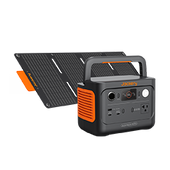
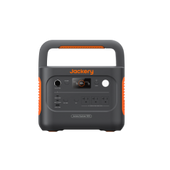
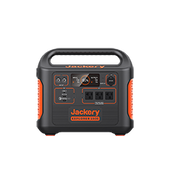
Jackery Solar Generator 1500 v2
- Capacity: 1536Wh
- Output: 2000W Rated Output (4000W Surge Peak)
- Cold Weather Operation: Functionality down to -4°F (-20°C)
- Use Case: Ideal for base camps or large huts, this unit is compact (weighing only ~32 lbs) yet powerful enough to run portable electric heaters, recharge auger batteries, and keep safety gear charged in extreme cold.
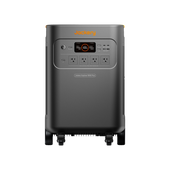
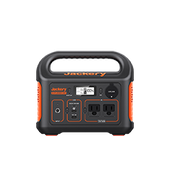
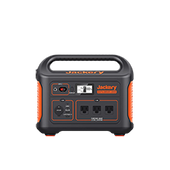
Jackery Solar Generator 2000 v2
- Capacity: 2042Wh
- Output: 2000W Rated Output (4000W Surge Peak)
- Cold Weather Operation: Functionality down to 14°F (-10°C)
- Use Case: Ideal for base camps or long hauls, this unit runs high-demand gear like heaters and fish finders, and guarantees power for calling help with a <20ms UPS backup.
The Jackery Solar Generator 1500 v2 is specifically engineered to handle harsh environments. Jackery Solar Generator 1500 v2 discharges efficiently at -20°C, ensuring that your essential gear remains operational even when the temperature drops.

The Jackery Solar Generator 2000 v2 is built for extended expeditions, featuring a massive 2042Wh capacity and a durable LiFePO4 battery. It functions reliably down to 14°F (-10°C), ensuring that heavy-duty gear and communication devices remain powered throughout your trip.
Canadian Regulations and Removal Deadlines
Ignorance of local laws is not a valid defense. Regulations regarding ice fishing hut placement and removal vary significantly by province and zone.
What Are the Regulations in Ontario?
In Ontario, huts placed in Fisheries Management Zones (FMZs) 9–12 and 14–20 must display registration numbers if they remain on the ice. These numbers must be at least 2.5 inches high and clearly visible.
Strict deadlines exist for removing huts to prevent environmental contamination during the spring thaw. Failure to remove a hut by the specified date can result in heavy fines. Always check the current year's regulations for your specific zone.
What Are the Rules for Border Waters?
If you are fishing border waters, such as Lake of the Woods or Rainy Lake, be aware of neighboring regulations. Minnesota and other border states often require shelter licenses and the application of reflective tape for overnight stays. Identification, including the owner's name and address, must often be visible on the exterior of the shelter.
Essential Setup and Extraction Checklist
Follow this checklist to ensure a safe and efficient trip.
What Should You Check Pre-Trip?
- Check local ice reports and the weather forecast for wind and temperature.
- Inspect heater function and replace CO detector batteries.
- Check anchor straps for fraying.
- Charge power stations fully. The Jackery Explorer 2000 v2 offers massive capacity for extended trips, ensuring all devices are ready.
What Are the Steps for On-Ice Setup?
- Test ice thickness with a spud bar or auger immediately upon arrival.
- Clear slush from anchor points but keep snow for banking.
- Anchor the windward side first.
- Open vents before igniting any heater.
How Do You Handle Extraction?
- Chip out frozen anchors carefully; do not pull until they are free.
- Pick up all trash, cigarette butts, and blocking materials.
- Verify the site is clean to protect the waterway and ensure future access.
Conclusion
Prioritize safety by personally checking ice thickness. A well-placed, wind-oriented ice fishing hut ensures a comfortable and productive day. Power your adventure with cold-rated solutions like the Jackery Explorer series, and respect the resource by adhering to removal deadlines.
Frequently Asked Questions
How do I choose the right size hut?
Select a 2-3 person hub for two anglers to comfortably accommodate heaters and electronics. Always account for gear volume, not just the number of people.
What's the best way to transport a hut?
Build or buy a Smitty sled (skis attached to a frame). This raises the tub off the snow, drastically reducing drag for long hauls.
Can I modify my hut?
Yes. Add interlocking foam floor mats for insulation and install coat hooks to organize gear vertically, freeing up floor space.
Are there eco-friendly power alternatives?
Portable power stations, like Jackery Solar Generators, offer a silent, fume-free alternative to gas generators and can be recharged via solar panels.
What are common placement mistakes?
The most frequent errors are ignoring wind direction, failing to bank snow on the skirts for a proper seal, and setting up near unsafe currents.


