











![[Add-on] Jackery Manual Transfer Switch for Explorer 5000 Plus](http://ca.jackery.com/cdn/shop/files/add-on-jackery-manual-transfer-switch-for-5000-plus-240V.webp?v=1757043692&width=170)








For outdoor enthusiasts, crown land camping Ontario offers absolute freedom and self-reliance far from crowded parks. However, this privilege means zero amenities; you are entirely responsible for your own safety, navigation, and waste management.
Locating legal sites is often the hardest part, given complex government maps and strict regulations. This guide provides the actionable steps needed to find legal spots, understand land policies, and camp responsibly.
What is Crown Land in Ontario?
Crown land is public land managed by the Ministry of Natural Resources and Forestry (MNRF). This land covers approximately 87% of the province, meaning the vast majority of Ontario is theoretically open to the public. However, accessibility varies drastically depending on where you are located.
How Does Crown Land Differ from Provincial Parks?
The experience of camping on Crown land differs fundamentally from staying in a regulated park like Algonquin or Killarney.
|
Feature |
Crown Land Camping |
Provincial Park Camping |
|---|---|---|
|
Cost |
Free for Canadian residents (up to 21 days). No reservation fees. |
Requires bookings months in advance. Daily vehicle and camping fees apply. |
|
Services |
Zero amenities. No thunder boxes (toilets), tent pads, picnic tables, or garbage collection. |
Facilities managed daily by staff. Comfort stations and designated sites available. |
|
Management |
Self-reliant. You handle first aid, vehicle recovery, and waste disposal. |
Safety and maintenance overseen by park staff and wardens. |
What Rules and Regulations Must You Follow?
Camping on public land is a privilege, not a right. Strict adherence to regulations ensures these areas remain open for future use.
Do Residents and Non-Residents Need Permits?
- Residents: Canadian residents can generally camp for free on Crown land for up to 21 days at one site. You must carry valid government identification to prove your residency if approached by a Conservation Officer.
- Non-Residents: Visitors from outside Canada must purchase a non-resident camping permit. These can be bought online or at select Service Ontario partners. The fees contribute to the management of natural resources.
How Does the 21-Day Rule Work?
Campers are limited to 21 days at a single location per calendar year to prevent the privatization of public land. Once this period expires, you must move your camp a minimum of 100 meters to a new location. This rule allows vegetation to recover and prevents permanent camps from forming.
Which Areas Are Restricted?
Not all public land is open for camping. You cannot camp in designated provincial parks (without a permit), nature reserves, or specific Green Zones where conservation is the priority. Always verify the specific land use policy for your intended area.
How Do You Manage Fire Safety?
You must check the Restricted Fire Zone (RFZ) status for your specific region before every trip, as fire safety is critical.
- If an RFZ is in effect: All open flames are banned. This includes campfires and charcoal grills. You must rely on portable gas or electric stoves.
- When fires are permitted: Use existing fire rings. Do not create new scorch marks on the landscape.
How Do You Find Crown Land Camping Spots?
Locating a site is the most challenging part of the process. There is no central booking system or list of approved campsites.
How to Use the Crown Land Use Policy Atlas (CLUPA)
The Crown Land Use Policy Atlas (CLUPA) is the official government tool for identifying land designations. You must use this crown land camping ontario map to find areas designated as General Use, which typically permit camping.
Warning: The CLUPA interface is dated. It can be slow to load and difficult to read on mobile devices. It is best used on a desktop computer during your planning phase.
How Do You Verify a Potential Site?
Follow this four-step process to verify a potential site:
- Locate a Zone: Find a General Use area on CLUPA.
- Satellite Check: Cross-reference the coordinates with Google Maps satellite imagery. Look for clearings, fire pits, or vehicle tracks that indicate previous use.
- Terrain Analysis: Use topographic maps to identify swamps, steep cliffs, or uncrossable rivers that satellite images might miss.
- Official Confirmation: Contact the local MNRF District Office. Ask specifically about current road conditions and access restrictions for that zone.
Which Navigation Tools Are Recommended?
Reliable navigation is essential when venturing off-grid.
- iHunter Ontario: This app overlays Wildlife Management Units (WMUs) and public land boundaries. It is excellent for offline use and clearly marks Crown land.
- Avenza Maps: Allows you to download official topographic maps. It uses your phone’s GPS to track your location on the map, even without cell service.
- Gaia GPS: Offers detailed backcountry layers. It is highly effective for route planning and tracking elevation changes.
- Backroad Mapbooks: Technology can fail. A physical Backroad Mapbook is an essential backup for navigating the complex network of forestry roads.
How Do You Select a Site and Manage Logistics?
Once you have identified a general area, the on-the-ground logistics determine the success of your trip.
What Should You Look for When Scouting?
Always arrive during daylight hours. Forestry roads are often unmaintained and can be treacherous. They may be gated without warning or washed out by recent rain. Navigating these hazards in the dark increases the risk of getting stuck.
Look for established clearings. Using a site that has already been impacted minimizes your environmental footprint. Do not clear new brush or cut down vegetation to make space for a tent.
How Close Can You Camp to Water?
You must set up your tent and kitchen at least 30 meters from the shoreline. While prioritizing sites near water sources makes filtration and cooking easier, maintaining this 30-meter distance protects the riparian zone and prevents water contamination.
Essential Tips for Safety and Self-Sufficiency
On Crown land, you are your own first responder. Preparation is your primary safety net.
How Do You Practice Leave No Trace (LNT)?
- Pack it in, pack it out: You must remove all trash, including items left behind by previous campers. Leaving a site cleaner than you found it is the core ethic of Crown land users.
- Human Waste: Dig a cathole 6-8 inches deep, at least 70 paces away from water sources and trails. Cover it securely after use.
How Do You Maintain Power and Communication?
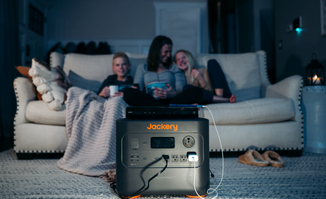
Reliable power is critical for keeping GPS units, phones, and satellite devices charged in General Use zones where cell service is rare.
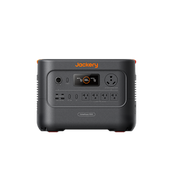
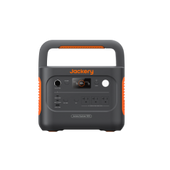
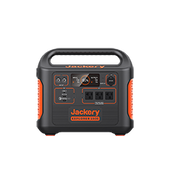
Jackery Explorer 1000 v2 Portable Power Station
- Capacity: The unit features a 1070Wh capacity that supports extended off-grid stays.
- Battery Tech: This LiFePO4 battery ensures a long lifespan with 4,000 cycles to 70% capacity and enhanced safety.
- Charging: Emergency Super Charging allows the Jackery Explorer 1000 v2 to reach 0-100% in just 1 hour via a wall outlet, allowing you to top up quickly before leaving.
- Use Case: It is essential during fire bans. With a 1500W output, the station can power electric skillets or induction cooktops, allowing you to cook hot meals without an open flame.
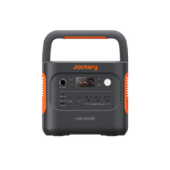
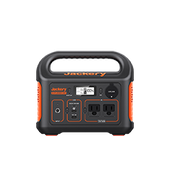
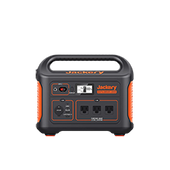
Jackery Explorer 1500 v2 Portable Power Station
- Capacity: The unit features a 1536Wh capacity that supports extended off-grid stays for high-demand devices.
- Battery Tech: This LiFePO4 battery ensures a long lifespan with 6,000+ cycles to 70% capacity and enhanced safety.
- Charging: Fast Charging Mode allows the Jackery Explorer 1500 v2 to reach 0-100% in just 64 minutes via a wall outlet, allowing you to top up quickly before leaving.
- Use Case: It is ideal for running comfort appliances. With a 2000W output, the station can power heated blankets or coffee makers, allowing you to stay warm and caffeinated on remote trips.

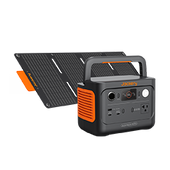
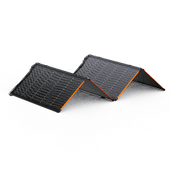
Campers interested in camping with solar power banks can extend their range indefinitely by pairing the unit with portable solar panels.
How Do You Store Food Safely?
Black bears are common, so proper storage is mandatory. Hang food 10 feet up and 4 feet out or use a certified bear canister. Never keep food or scented items inside your tent.
What Emergency Prep is Required?
Leave a detailed trip plan—including route and return time—with a reliable contact. Carry a comprehensive first aid kit and know how to treat injuries, as professional help may be hours away.
Practical Trip-Planning Checklist
Use this checklist to ensure you haven't missed a critical step.
Pre-Trip
- Check CLUPA zoning to confirm the area is General Use.
- Buy permits if you are a non-resident.
- Download offline maps on Avenza or Google Maps.
Gear
- Pack a high-quality water filter.
- Bring a sturdy trowel for waste management.
- Ensure your first aid kit is restocked.
- Pack navigation tools (compass, GPS).
Power
- Check batteries for all headlamps and flashlights.
- Fully charge portable power stations like the Jackery Explorer 1000 v2.
Safety
- Verify local fire bans via the MNRF website.
- Call the district office to check for road closures.
On-Arrival
- Scan the site for widowmakers (dead trees that could fall).
- Set up camp according to LNT principles.
- Secure your food immediately upon arrival.
Common Beginner Questions (FAQ)
Do I need a permit?
Canadian residents generally do not need a permit for up to 21 days. Non-residents require a paid permit.
Can I cut trees?
You may only use dead and downed wood for fuel. Never cut live trees; it damages the forest and green wood does not burn well.
Is alcohol allowed?
Rules vary, but alcohol is generally permitted on your campsite. It is strictly prohibited while operating vehicles or boats.
How do I find sites?
Combine CLUPA data with satellite reconnaissance and local ground scouting. There is no map of specific campsites.
What if I see a No Trespassing sign?
Respect it immediately. Private holdings and leased land exist within Crown zones, and you must not encroach on them.
Real-World Use Cases
The Overlander: This camper uses a 4x4 vehicle to navigate rough forestry roads. They utilize a Jackery Explorer 1000 v2 to power a portable fridge and camp lights, bringing comfort to remote locations. For those interested in compact power, you can enjoy your excursions with electric generators that fit easily into smaller packs.
Conclusion
Crown land camping offers unmatched freedom but demands total responsibility. Since abuse leads to closures, adhering to Leave No Trace principles is essential to keep these spaces open. Beginners should progress slowly from managed parks to the backcountry. With the right preparation and respect, the wilderness is yours to explore.


