











![[Add-on] Jackery Manual Transfer Switch for Explorer 5000 Plus](http://ca.jackery.com/cdn/shop/files/add-on-jackery-manual-transfer-switch-for-5000-plus-240V.webp?v=1757043692&width=170)





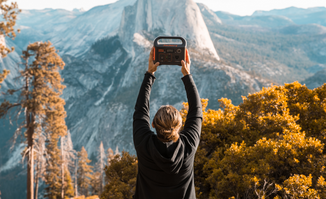


Crown land camping Alberta provides affordable access to pristine wilderness, far from crowded designated sites. However, random camping regulations have shifted recently, introducing mandatory fees and stricter enforcement to combat overcrowding. Access is a privilege that demands preparation. Always verify active fire bans, seasonal closures, and requirements for the Public Lands Camping Pass before heading off-grid.
Who Is Allowed to Camp?
Most recreational users can access these lands, provided they hold the necessary passes and adhere to land-use regulations. This access is vital for those seeking solitude or engaging in activities like kayaking for beginners on remote mountain lakes.
What Are the Key Land Distinctions?
Understanding the difference between land classifications is critical to avoiding fines.
|
Feature |
Provincial Parks |
Public Land Use Zones (PLUZ) |
|---|---|---|
|
Amenities |
Designated sites, washrooms, fire pits. |
No services, no hookups, no garbage collection. |
|
Management |
Managed for high-density recreation and conservation. |
Managed for multiple uses; specific rules for motorized recreation. |
|
Camping Style |
Reservation-based, designated pads. |
Random camping allowed; restrictions on vehicle travel. |
You cannot simply pull over anywhere and camp. Finding a legal site requires diligence and the right tools.
Why Are Official Maps Mandatory?
You must use official government resources to confirm you are within a Public Land Use Zone. A crown land camping Alberta map is your primary tool for avoiding trespassing on private land or agricultural leases. Use the Alberta.ca interactive maps or download PDF boundaries for the specific PLUZ you intend to visit.
Which Digital Tools Should You Use?
Signal is often non-existent in these areas. Cross-reference official government data with third-party navigation tools. A crown land camping Alberta app like iHunter or Avenza Maps allows you to overlay PLUZ boundaries onto your GPS location. This ensures you remain within legal zones even when offline.
How to Verify Sites and Avoid Trespassing
Check for PLUZ signage at access points and avoid agricultural lease land without permission. If boundaries are unclear, do not camp there. Ignorance of the map is not a valid defense against fines.
Which Passes Are Required?
Camping in popular regions now requires mandatory fees.
- Public Lands Camping Pass (PLCP): Mandatory for adults (18+) along the Eastern Slopes (Grande Prairie to Waterton). Costs approximately $20 (3-day) or $30 (annual), plus a Wildlife Identification Number (WIN) activation.
- Kananaskis Conservation Pass: A vehicle pass required for parking in Kananaskis Country. If camping here, you likely need both this vehicle pass and the individual PLCP.
- Castle Provincial Park: Random camping is restricted to Designated Camping Areas (DCAs). You must use self-registration kiosks and carry proof of payment.
What Are the Critical Rules and Regulations?
Campers must follow strict regulations to preserve public access and preventing environmental damage.
- The 14-Day Rule: You may stay at one site for 14 consecutive days. Afterward, you must move at least 1 kilometer away and cannot return to the original spot for 72 hours.
- Distance Buffers: Camp at least 1 kilometer away from Provincial Parks, Recreation Areas, or roadways unless signage indicates otherwise.
- Fire Safety: Always check Alberta.ca for active bans. During bans, wood fires are prohibited. When allowed, use existing fire rings and keep flames manageable.
- Waste Management: Pack out all trash. Bury human waste in a hole 6–8 inches deep and at least 100 meters from water sources.
- Living Trees: Do not cut standing trees, even if they appear dead. Use only fallen deadfall for fuel.
How Should You Plan and Manage Risk?
Self-reliance is critical as help is often hours away. Scout sites during the day to assess unmaintained roads requiring high-clearance vehicles. Since cell service is rare in the Eastern Slopes, leave a detailed trip plan with a contact and consider carrying a satellite messenger like a Garmin inReach.
Weather and Accessibility
Mountain weather shifts rapidly; pack gear rated for freezing temperatures year-round. Beginners should start with established sites. If vehicle-based, review considerations for sleeping in a car when camping in Alberta to understand the logistics of unserviced areas.
What Gear Is Needed for Self-Sufficiency? Shelter and Water
Use robust 3-season or 4-season tents capable of withstanding high winds; cheap recreational tents often fail in exposed foothills. Since potable water is unavailable, bring sufficient reserves or a filtration system backed up by purification tablets.
Off-Grid Power
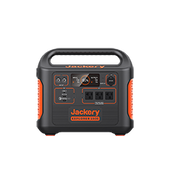
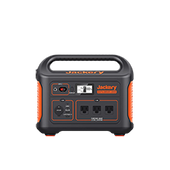
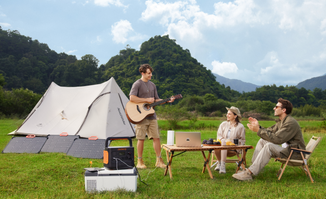
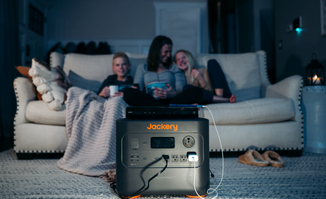
Reliable power is essential when boondocking. You need to charge GPS units, phones for navigation, and potentially medical devices like CPAP machines. Gas generators are noisy and disturb the peace of the wilderness. Portable power stations are the standard for silent, reliable energy. For more on this setup, read about camping in Alberta with solar power banks.
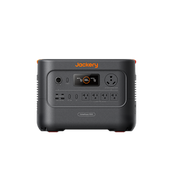
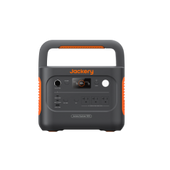
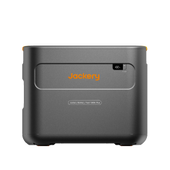
Jackery Explorer 1000 v2
- Capacity: 1070Wh
- Weight: 23.8 lbs (10.8 kg)
- Output: 1500W Rated Power
- Battery Type: LiFePO4 (4000 charge cycles to 70%+ capacity)
- Charging: Fully charged in 1 hour via wall outlet (Emergency Charge mode) The Jackery Explorer 1000 v2 is ideal for charging devices, running LED camp lighting, and powering small appliances for weekend trips.

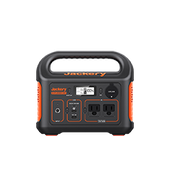
Jackery Explorer 1500 v2
- Capacity: 1536Wh
- Output: 2000W Rated Power (4000W Surge Peak)
- Battery Type: LiFePO4
- Noise Level: 30dB-45dB (Whisper quiet) The Jackery Explorer 1500 v2 offers higher output and capacity, making it perfect for running heated blankets during cold nights or coffee makers in the morning.
Note: Always plan power needs based on trip duration and cold-weather battery performance. Lithium batteries can lose efficiency in extreme cold, so insulate your power station.
How Can You Stay Safe Around Wildlife?
You are a guest in the home of large predators.
Bear Country
Most Crown land in Alberta is bear habitat. Carry bear spray on your person, not buried in your pack. It must be accessible within seconds. Know how to use it before you encounter a bear.
Attractant Management
Never store food, toothpaste, or any scented items in your tent. If you are car camping, store all attractants in a hard-sided vehicle. If you are backcountry camping, use bear-proof containers or hang your food properly.
Solo Travel and Emergency Kits
Solo travel is not recommended for beginners in remote zones. If you must travel alone, share precise coordinates with a check-in contact. Travel with a group whenever possible to increase safety and noise levels.
Include a comprehensive first-aid kit capable of treating major trauma. Carry a fire extinguisher if you are vehicle camping. Pack extra food and water in case a vehicle breakdown strands you for an extra day or two.
What Is Proper Campsite Selection and Etiquette?
How you camp affects the future of public land access.
Leave No Trace: Camp on durable surfaces like gravel, dry grass, or snow. Avoid setting up on fragile alpine vegetation. If a site looks overused, choose a different spot to allow the land to heal.
Noise Control: Sound travels far in mountain valleys. Keep music and generators quiet to respect other campers and wildlife. The silence of the backcountry is a primary reason people visit; do not destroy it.
Social Media: Avoid geotagging sensitive or fragile locations. Tagging specific hidden gems leads to rapid overcrowding and environmental degradation. Share the experience, not the exact coordinates.
Shared Access: You share these lands with hunters, anglers, and grazing leaseholders. Be respectful of their rights. If you encounter cattle, give them space and leave gates exactly as you found them.
Which Areas Are Recommended?
- Abraham Lake (Bighorn Backcountry): This area offers stunning views of the reservoir and mountains. It is highly trafficked and monitored. The PLCP is required. Strict waste discipline is enforced due to heavy use.
- Ghost PLUZ: Located just west of Calgary, this is a convenient option. It requires the PLCP. Be aware that this is a popular area for Off-Highway Vehicle (OHV) use, so expect engine noise and shared trails.
- Livingstone PLUZ: This southern option offers diverse terrain from foothills to mountains. It requires the PLCP. It is excellent for those looking to explore the southern Rockies.
- Winter Camping: Many PLUZ areas are accessible in winter, but conditions are harsh. Ensure vehicles are equipped for deep snow. Check PLUZ rules regarding snowmobile use, as some areas may be restricted to non-motorized use only.
Common Questions Answered
Do I need a permit for all Crown land?
Yes, for the Eastern Slopes and PLUZ areas, the Public Lands Camping Pass is mandatory. Other areas may not require it, but you must always verify the specific zone.
Can I reserve a spot?
No, random camping is strictly first-come, first-served. Always have a backup plan in case your intended spot is already occupied.
What if there is a fire ban?
Propane fire pits and stoves are usually allowed during bans, but wood fires are strictly prohibited. Always check the specific details on the Alberta Fire Bans website before lighting any flame.
Can I bring my RV or trailer to Crown land?
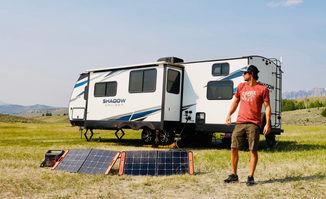
Yes, but access is limited by terrain. Many PLUZ roads are rough, narrow, and lack turnarounds. Large RVs may struggle to access remote sites, so ensure your rig is capable of off-road travel.
How do I properly dispose of greywater?
Strain food particles out of dishwater and pack them out with your trash. Disperse the remaining greywater widely over the ground at least 100 meters from any water source. Never dump it all in one spot.
Quick Trip Checklist
- Verify Location: Confirm land status via Alberta.ca maps.
- Purchase Passes: Buy PLCP and/or Kananaskis Conservation Pass online.
- Check Conditions: Review fire bans, weather forecasts, and wildlife advisories.
- Pack Safety Gear: Bear spray, first aid, satellite comms, and backup navigation.
- Power & Heat: Charged power station (e.g., Jackery Explorer 1000 v2), adequate fuel, and sleeping gear.
- Leave No Trace Plan: Bring heavy-duty trash bags to pack out all waste.
Conclusion
Crown land camping Alberta offers freedom but demands self-reliance. Adhering to regulations ensures these wild spaces remain open for future generations. Proper preparation prevents emergencies and protects the landscape; if unsure about remote travel, start with established campgrounds first.


