




















![[Add-on] Jackery Manual Transfer Switch for Explorer 5000 Plus](http://ca.jackery.com/cdn/shop/files/add-on-jackery-manual-transfer-switch-for-5000-plus-240V.webp?v=1757043692&width=170)














The dread of a silent engine is a common Canadian winter reality, but it is preventable. The core issue is chemistry: cold temperatures drastically slow the reactions needed to generate electricity. Simultaneously, cold oil thickens, increasing internal resistance and forcing the engine to demand massive amperage just as the battery is weakest. Avoiding this double whammy and learning how to keep a car battery charged during winter requires a combination of proactive maintenance and the right equipment.
How Does Winter Impact Your Vehicle?
To prevent failure, you must understand what is happening under the hood. The battery is rarely broken in the traditional sense during the first cold snap; it is simply dormant.
Why Does Cold Weather Slow Down Chemistry?
Cold temperatures thicken the electrolyte in lead-acid batteries, drastically slowing the ion transfer needed to generate electricity. The battery holds potential energy but cannot release it fast enough to turn over a frozen engine. This is why a dead morning battery might start successfully later in the day once temperatures rise.
What Is Parasitic Drain?
Cold temperatures thicken the electrolyte in lead-acid batteries, drastically slowing the ion transfer needed to generate electricity. The battery holds potential energy but cannot release it fast enough to turn over a frozen engine. This is why a dead morning battery might start successfully later in the day once temperatures rise.
When Is a Battery Considered Marginal?
Car batteries typically last 3 to 5 years before requiring replacement. A unit that tests okay during a warm July will often fail immediately during the first deep freeze. If a battery is more than three years old, it is in the marginal zone. Proactive replacement is often the only way to guarantee reliability before winter sets in.
What Is the Essential Pre-Winter Maintenance Checklist?
Preparation is your first line of defense. Perform these checks before the first snow falls to ensure your vehicle is ready for the drop in temperature.
Why Is Professional Load Testing Critical?
Load testing measures Cold Cranking Amps (CCA) to ensure starting power at -18°C. This is the most critical step. Have a mechanic perform a load test rather than a simple voltage check. A voltage reading alone is insufficient; the load test simulates the stress of a winter start to see if the battery can deliver the necessary amperage.
Is Your Alternator Doing Its Job?
The charging system must push between 13.5V and 14.5V while the engine is running to maintain a healthy battery. If the alternator is weak, it will fail to replenish the energy used during startup, leading to a slow death for the battery over several weeks.
Are Your Connections Clean and Tight?
Electrical resistance creates heat and reduces voltage. Look for white, powdery corrosion around the battery terminals.
- Cleaning: Scrub the terminals with a wire brush and a mixture of baking soda and water to neutralize the acid.
- Tightening: Ensure clamps are tight. You should not be able to wiggle the terminal connections by hand. Loose clamps prevent maximum current flow during hard starts.
Which Winter Driving Habits Boost Battery Health?
Your daily routine dictates whether your battery stays charged or slowly drains. Adjusting how you drive can keep your voltage levels high.
- The 30-Minute Rule: Short trips are the enemy. Starting a cold engine consumes massive energy that a 10-minute drive cannot replace. Drive for at least 20–30 minutes at highway speeds weekly to fully replenish the system.
- Disable Stop-Start: In extreme cold (-20°C / -4°F or lower), disable auto stop-start features. Restarting the engine every few minutes places immense stress on a cold battery.
- Drive, Don't Idle: Idling to charge is a myth; alternators produce minimal amperage at low RPMs. You must drive to generate the power needed for recharging.
- Manage Loads: Turn off high-draw accessories like heated seats and defrosters until the engine has run for a few minutes to reduce the initial load.
What Are the Best Parking and Insulation Strategies?
Where and how you park significantly influences battery temperature. Keeping the battery even a few degrees warmer can make the difference between starting and stalling.
Does Garage Parking Really Help?
Park in a garage whenever possible to protect the vehicle from wind chill. Even an unheated garage protects the vehicle from the most extreme overnight temperature dips. The ambient temperature in an attached garage is often 5°C to 10°C warmer than the air outside.
Do Battery Blankets and Wraps Work?
Insulation helps retain engine heat if you must park outside.
- Insulation: A thermal wrap keeps the battery warm for several hours after you park, making a restart easier if you are running errands.
- Active Heating: For extreme climates, a car battery blanket for cold weather (electric) is superior. These plug into an outlet and wrap around the battery to keep the internal chemistry active.
When Should You Use a Block Heater?
Block heaters are essential for diesel engines and highly recommended for gas engines in temperatures below -15°C. They warm the engine block and oil, significantly reducing the friction the starter motor faces. This reduces the amperage load on the battery during ignition, a practice recommended by Transport Canada.
Which Charging Solutions Work Best?
Driving habits often aren't enough; external charging provides a necessary safety net.
Smart Maintainers vs. Trickle Chargers
Smart maintainers are superior to basic trickle chargers because they monitor voltage and switch to float mode when full, preventing overcharging. In contrast, basic trickle chargers push a constant current that can boil the electrolyte and ruin the unit. If you plan to park for more than three days in extreme cold, connect a smart battery maintainer to ensure the battery stays at 100%.
How Can You Charge Without a Garage or Outlet?
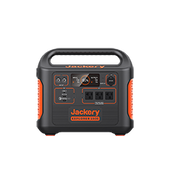
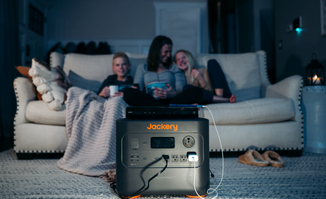
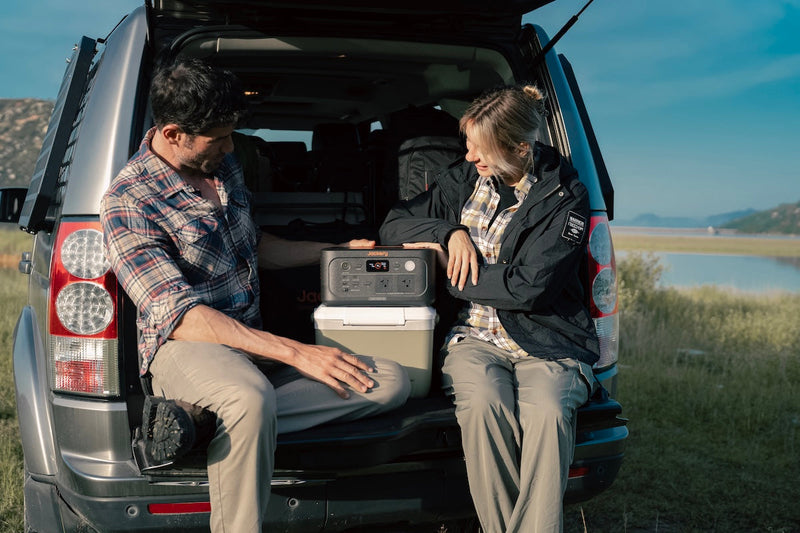
Portable power solutions bridge the gap when street parking or apartment living prevents access to AC outlets. You can use a portable lithium power station to run a battery maintainer or block heater for an hour before you need to leave. This warms the engine or tops off the battery without needing a wall outlet.
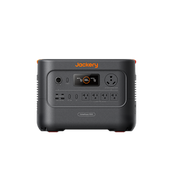
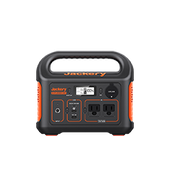
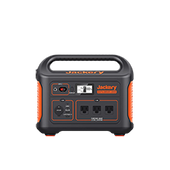
Jackery Explorer 1000 v2
- Capacity: 1070Wh
- Output: 1500W AC Output
- Use Case: The Jackery Explorer 1000 v2 is capable of powering a standard block heater (typically 400W) for over an hour. This ensures your engine is warm enough to start easily in a parking lot or remote driveway. Understanding how portable electric generators keep you warm in the coldest weather can be vital for vehicle maintenance in these conditions.

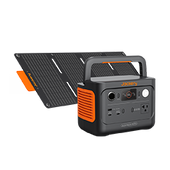
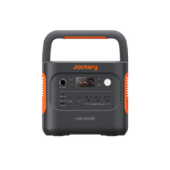
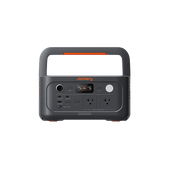
Jackery Explorer 600 v2
- Capacity: 640Wh
- Special Feature: All-Weather Ready technology.
- Use Case: This unit is specifically rated to operate in temperatures down to -20°C (-4°F). Jackery Explorer 600 v2 is ideal for keeping in the vehicle as an emergency power source or for powering a battery maintainer in freezing conditions where standard lithium batteries might fail. It serves as a reliable battery backup for home or vehicle use.
How Should You Handle Long-Term Storage?
If leaving your vehicle for three weeks or more, the best practice is to remove the battery and store it indoors. Alternatively, disconnect the negative terminal to stop parasitic drain (check your manual first for system reset requirements). Even in storage, batteries self-discharge; connect a smart maintainer monthly to prevent permanent capacity loss from sulfation.
Are You Prepared for an Emergency?
Despite your best efforts, batteries can fail. Being prepared changes a breakdown from a crisis into a manageable inconvenience.
Why Carry a Jump Starter?
Carry a dedicated lithium-ion portable jump starter pack to deliver high instant amperage. These devices are distinct from power stations; jump starters are designed specifically to crank an engine for a few seconds.
Why Do You Need Backup Power for Safety?
If you are stranded, your priority shifts from starting the car to staying warm and connected. Running the engine to charge your phone wastes fuel and risks carbon monoxide poisoning if the tailpipe is blocked by snow. Knowing how can a portable generator in Canada help with the power outages or roadside emergencies is essential for winter safety.
Jackery Explorer 600 v2: Keeping a portable power station in your vehicle ensures you can keep smartphones, GPS devices, and even electric heated blankets running for hours or days without relying on the vehicle's battery.
- Safety: Allows you to call for help and stay warm inside the cabin.
- Reliability: The cold-weather rating ensures Jackery Explorer 600 v2 works when you need it most. This is critical for winter camping with heated gear and portable battery chargers or emergency survival scenarios.
Emergency Kit Essentials: Alongside your power source, ensure you have:
- Heavy-duty jumper cables
- Thermal blanket
- Non-perishable food
- Collapsible shovel
- Traction sand or kitty litter
- Flashlight with extra batteries
FAQ: Common Winter Battery Questions
How long does it take to drive to recharge a dead battery?
Driving cannot fully recharge a dead unit. Alternators maintain levels but struggle to restore depleted batteries; use a wall charger to reach 100%.
Can I leave a battery maintainer plugged in all winter?
Yes, provided it is a smart maintainer with float mode. Avoid basic trickle chargers, which can overcharge and damage the unit.
Does the cold ruin the battery permanently?
Only if discharged. A depleted battery can freeze and crack at 0°C, whereas a fully charged battery resists freezing down to -60°C.
Can I use a portable power station to jump-start my car?
No. Power stations lack the instant Cold Cranking Amps for jumping. However, they can power a battery charger to refill the battery over 30–60 minutes.
How often should I replace my car battery in a cold climate?
Plan to replace it every 3–5 years, as extreme cold significantly accelerates chemical degradation.
Conclusion
Winter battery failure is preventable with annual testing, the 30-minute drive rule, and smart maintainers. For drivers without garage access, carrying backup power like the Jackery Explorer 600 v2 offers essential peace of mind. Investing in the right equipment and understanding how to keep a car battery charged during winter ensures your vehicle is ready to face the Canadian cold.


