











![[Add-on] Jackery Manual Transfer Switch for Explorer 5000 Plus](http://ca.jackery.com/cdn/shop/files/add-on-jackery-manual-transfer-switch-for-5000-plus-240V.webp?v=1757043692&width=170)














Canadian electricity rates are climbing, and complex Time-of-Use tariffs often create anxiety when the monthly utility bill arrives. Homeowners frequently feel helpless against rising costs, struggling to identify vampire loads or decipher the confusing technical units listed on their statements. Beyond financial concerns, not knowing your household energy consumption makes it nearly impossible to plan effectively for power outages.
Understanding kWh usage is the key to regaining control. This guide clarifies the difference between power and energy, provides a practical method to calculate costs, and helps you size backup solutions accurately. You will gain the ability to audit your energy usage for better budgeting and robust emergency preparedness.
The Basics: Watts, Kilowatts, and Kilowatt-Hours
What Is the Difference Between Watts and kWh?
Watts measure the rate of power used at a specific moment, while kilowatt-hours measure the total energy consumed over a period. Think of electricity like a car traveling down a highway:
- Watts (W): This represents speed (e.g., 100 km/h).
- Kilowatt-hour (kWh): This represents distance travelled (e.g., 100 km).
The relationship is straightforward based on time. A standard watt-hour calculation shows that using 1,000 Watts for one hour equals 1 kWh. If you run a 100-Watt lightbulb for 10 hours, you also consume 1 kWh (100W × 10h = 1,000Wh).
How Does Consumption Differ From Demand?
Consumption is the volume of electricity used, whereas demand is the peak power required at a single moment.
- Consumption (kWh): The total amount of energy used over a billing cycle, which determines the bulk of your bill.
- Demand (kW): The maximum power draw occurring at any specific instant.
Understanding demand is critical when sizing solar systems or backup generators. If you turn on your AC, dryer, and oven simultaneously, your demand spikes, even if you only run them for five minutes. You need to know both your running watts (demand) and total daily kWh (consumption) for accurate planning.
Step-by-Step: How to Calculate Your Home’s kWh
What Is the Formula for Calculation?
Calculating usage requires a simple mathematical formula: (Device Wattage × Hours Used per Day) ÷ 1,000 = Daily kWh. You do not need to be an electrician to perform this audit.
Step 1: Where Is the Appliance Wattage Label Located?
Appliance wattage is listed on the compliance label found on the back or bottom of the device. It will list the wattage (W). If the label only lists Volts (V) and Amps (A), use the formula: Volts × Amps = Watts.
Keep in mind that labels often show peak wattage. The actual running wattage is often lower. For example, refrigerators cycle on and off throughout the day rather than running continuously at their rated maximum. You can consult a standard appliance wattage chart for common estimates if labels are inaccessible.
Step 2: How Long Do Devices Run?
Log your usage for 3 to 7 days to account for weekends or laundry days when energy use typically spikes. You must differentiate between always on devices, such as routers and smart home hubs, and intermittent devices like toasters, hair dryers, or space heaters.
Step 3: How Do You Calculate the Total?
Apply the formula to each device individually. For example, a 1,500W space heater running for 4 hours uses 6 kWh total (1,500 × 4 ÷ 1,000). Once you have the individual totals, sum them up to get your estimated daily household consumption.
Step 4: How Do You Estimate the Cost?
Multiply your Total Monthly kWh by the Electricity Rate found on your utility bill. In Canada, this varies by province and time of day, but it is usually expressed in cents per kWh (e.g., $0.12/kWh).
This calculation provides the estimated kWh cost portion of your bill. Note that delivery charges and taxes are calculated separately.
Tools for Accurate Measurement
Do Smart Plugs Track Energy Usage?
Yes, smart plugs are the most accessible tracking tools for standard 120V appliances. They plug into the wall, and the appliance plugs into them. These devices track real-time watts and cumulative kWh over time. They are particularly effective for identifying phantom loads from electronics that appear off but continue to draw power.
Can You Use Utility Portals?
Many Canadian utilities, such as Hydro One and BC Hydro, offer online portals that utilize Green Button data standards. These platforms provide hourly usage statistics. Compare this digital data against your manual estimates to verify accuracy.
How Can Power Stations Act as Diagnostics?
Portable power stations provide precise real-time energy monitoring via digital displays. They show real-time input and output wattage.
Plugging a refrigerator into a Jackery Solar Generator 2000 v2 reveals the exact surge watts when the compressor kicks in and the lower running watts that follow. This method validates exactly how much energy critical devices consume during an outage scenario, removing the guesswork from emergency planning.
Major Factors Driving Canadian Home Usage
How Does HVAC Impact Usage?
HVAC systems are the largest variable in Canadian homes, often tripling kWh usage during winter months. Electric baseboard heaters or electric heat pumps drive consumption in the cold, while central air conditioning becomes the primary driver of peak demand in summer.
How Much Energy Does Water Heating Use?
Water heating is typically the second-largest load in a home. Older electric tanks consume significantly more standby energy than modern hybrid models or tankless systems. Insulating the tank and pipes can reduce this passive loss.
Do Older Appliances Use More Power?
Yes, modern Energy Star-rated appliances draw significantly less power than models manufactured over 10 years ago. A 15-year-old refrigerator may use twice the electricity of a current model.
What Are Vampire Loads?
Vampire loads are devices like gaming consoles, PVRs, and phone chargers that draw power 24/7. These loads can add 5–10% to your annual electricity bill. Identifying and eliminating these leaks is the easiest way to lower consumption.
Benchmarks: What is Normal Usage?
What Is the Average Canadian Consumption?
Normal usage varies heavily by province and heating type. A typical home using natural gas for heating might consume 20–40 kWh per day. However, homes relying on electric heat or charging Electric Vehicles (EVs) may exceed 60–100 kWh per day during the winter.
How Should You Interpret Your Data?
Analyze your baseline usage overnight when major appliances are off. If your overnight consumption exceeds 1–2 kWh in one hour, investigate immediately. This usually indicates hidden loads, such as a malfunctioning sump pump or inefficient heated floors.
Real-World Use Cases for kWh Data
What Size Solar Generator Do I Need?
Sizing a backup system requires calculating the total kWh of critical devices like your fridge, lights, and router. If your essential devices require 2.5 kWh per day, you need a battery that can support that load.
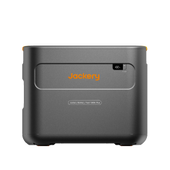
Jackery Solar Generator 2000 v2
|
Feature |
Specification |
|---|---|
|
Capacity |
2042Wh |
|
Power Output |
2200W (Surge Peak 4400W) |
|
Battery Lifespan |
Long-lasting LiFePO4 battery with 10-year lifespan |
|
Use Case |
Fits the essential load profile perfectly, providing roughly one day of backup for critical items before needing a solar recharge. |
For a detailed breakdown of sizing requirements, read our ultimate guide to solar panel calculation to ensure your system meets your specific needs.
How Do You Plan for Extended Outages?
Extended outages requiring high-demand appliances like sump pumps, medical devices (CPAP), or space heaters need higher capacity solutions.
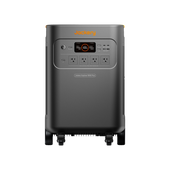
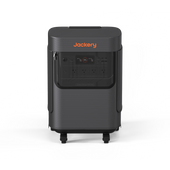
Jackery Solar Generator HomePower 3000
|
Feature |
Specification |
|---|---|
|
Capacity |
3072Wh |
|
Power Output |
3600W (Surge Peak 7200W) |
|
Solar Charging |
Fully charges in 6 Hours (with 2x SolarSaga 340 X Solar Panels) |
|
Use Case |
Offers extended runtime for heavy-duty appliances and longer outages. |
Always add a 20% safety margin to your calculated kWh needs to account for inverter efficiency. You can check this power outage map and backup guide for regional specifics on grid reliability.

How Much Electricity Does EV Charging Use?
Charging an electric vehicle at home significantly impacts your bill. Level 1 charging (standard 120V outlet) adds approximately 1.4 kWh per hour of charging. Track this separately to avoid bill shock.
Practical Strategies to Reduce kWh
Can Reducing Runtime Save Money?
Yes, reducing runtimes for high-wattage devices like dryers and heaters saves money. Because these devices consume power rapidly, cutting their usage by even 15 minutes a day has a massive impact on your total kWh.
Does Shifting Usage Lower Costs?
Shifting usage to off-peak hours lowers costs in provinces with Time-of-Use billing. Running dishwashers and doing laundry during evenings and weekends does not change the amount of energy used, but it significantly reduces the price per unit.
How Do You Stop Phantom Loads?
Use power strips with on/off switches to cut power to entertainment centers and home offices when they are not in use. This stops standby power consumption instantly.
Frequently Asked Questions
How do I read my electricity meter?
Record the numbers on the display at the same time every day. Subtract the previous day's number from the current reading to find your daily usage.
Does unplugging electronics save money?
Yes, eliminating standby power from devices like TVs and computers can save Canadian households $50–$100 annually.
How many kWh does a generator need?
A generator provides kW (power), not kWh (energy storage), but to size it, you must sum the running wattage of all devices you intend to run simultaneously.
What is the difference between kW and kWh?
kW is the power or intensity of electricity being used at a specific moment, while kWh is the quantity of energy consumed over a period.
Quick Checklist: The 1-Hour Home Energy Audit
- Locate your electricity meter and take a baseline reading.
- List your top 5 energy-hungry appliances (HVAC, Water Heater, Dryer, Fridge, Oven).
- Check labels or use a monitor to record their wattage.
- Estimate daily runtimes and calculate total kWh using the formula provided.
- Compare your total against your utility bill to find discrepancies.
Conclusion
Understanding kWh usage turns confusing bills into a manageable budget. Accurate measurement enables smarter savings and precise backup planning, removing the guesswork. Start a simple appliance audit today to immediately take control of your energy costs.


