














![[Add-on] Jackery Manual Transfer Switch for Explorer 5000 Plus](http://ca.jackery.com/cdn/shop/files/add-on-jackery-manual-transfer-switch-for-5000-plus-240V.webp?v=1757043692&width=170)








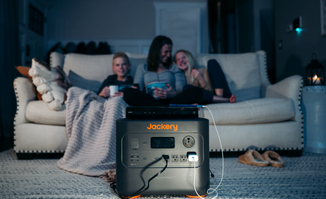




You can prepare for ice-storm power outages by sealing drafts, stocking food and water, creating a safe heating and lighting plan, protecting pipes, charging backup power, and having a family emergency plan so you can stay warm and safe until power returns.
Ice storms are different from normal winter storms. Instead of snow piling up, freezing rain coats everything, such as roofs, trees, cars, power lines, and roads, in solid ice. Branches snap, wires collapse, transformers blow, and power companies struggle to even reach damaged areas. That’s why ice storm power outages often last days, sometimes longer, and the big problems are losing heat, light, and communication when temperatures are dangerously low.
Preparation for ice storm power outages is what makes the difference. If your home is insulated, your supplies are stocked, your heating plan is safe, and you have a reliable home battery backup solution, an outage becomes inconvenient rather than frightening. This guide walks you through exactly how to prepare for ice storm power outages, what to do during the outage, and where Jackery Solar Generators fit in so you can stay warm, safe, and calm while crews work to restore power.
Takeaways
- Ice storms cause long outages because ice physically damages trees, poles, and power lines.
- Preparing early for insulation, supplies, backup heat, and lighting reduces risk and stress.
- Stay in one warm room, seal drafts, handle food safely, and avoid using indoor fuel heaters.
- Reliable backup power keeps phones, WiFi, lights, medical devices, and small heaters running safely.
- Safety matters most during ice storms. You should avoid downed power lines, icy roads, and unsafe heating methods.
Why Do Ice Storms Cause Long Power Outages?
Ice storms cause long outages because freezing rain builds up weight on everything it touches. A thin layer of ice can double or triple the weight on trees, power lines, and poles. When branches snap or entire power lines collapse, repairs take time, and crews often can’t even reach damaged areas until roads are safe. That’s why restoration takes longer than with most winter storms.
How to Prepare Your Home Before an Ice Storm Hits?
If you want to prepare for an ice storm, start by weatherproofing your home by sealing drafts, insulating pipes, trimming trees, and preparing for emergency supplies like water, food, an essential home backup solution, etc. Here is how to prepare for ice storm power outages:
Have a Family Safety or Evacuation Plan
Decide ahead of time where everyone will stay, which room will be the warm room, who will check supplies, and where you will go if the house becomes unsafe. Share emergency contact information, pick a meeting point, and make sure everyone knows how to turn off the water if pipes burst. An evacuation plan prevents panic when the lights go out.
Insulate Windows, Doors, and Pipes to Prevent Heat Loss
Cold pours through gaps in windows and doors. Before the ice storm, you should seal drafts with weatherstrips, towels, or plastic film, and close curtains at night. Wrap exposed pipes with insulation or towels, especially in basements, crawl spaces, and garages. Slowing heat loss will give you hours of warmth if the furnace stops.
Stock Up on Food, Water, and Medical Supplies
Aim for at least 3 - 5 days of ready-to-eat food, bottled water, baby supplies (if needed), prescription medications, and basic first aid. Choose foods you can eat without cooking, or that can be warmed on a camp stove. During ice storms, grocery stores may be closed, and roads may be icy.
Create a Safe Indoor Heating and Lighting Plan
Decide how you will stay warm and see in the dark safely. Never use grills, gas stoves, or kerosene heaters indoors. Instead, rely on blankets, layered clothing, and safe backup options. This is where a Jackery Solar Generator can help. It can power electric blankets, LED lights, phones, portable heaters, radios, WiFi, and medical devices without producing fumes or noise.
Prepare a Winter Storm Preparedness Checklist
Write everything down and review the winter storm preparedness checklist. You should include flashlights, batteries, a power bank/solar generator, blankets, chargers, headlamps, matches, a fire extinguisher, a snow shovel, ice melt, gloves, and tools. Keep it in one place so you don't have to search in the dark when the outage starts.
How to Stay Safe During an Ice Storm Power Outage?
You can stay safe during an ice-storm power outage by staying indoors, keeping one room warm, sealing drafts, using only safe electric heating and lighting, protecting food and pipes, avoiding downed lines and icy roads, and keeping a way to get weather alerts and communicate. Here is how to stay safe during an ice storm power outage:
- Stay in the Warmest Room and Reduce Heat Loss: Choose one room, close doors, hang blankets over doorways, and keep everyone in that room. Fewer rooms to heat means you stay warmer longer.
- Use Backup Heaters and Solar Generators: If you have safe electric heaters, heated blankets, or low-watt devices, run them through a reliable portable power station like Jackery.
- Keep Doors, Windows, and Draft Points Sealed: Stuff towels, blankets, or weatherstrips around leaks. Close curtains and blinds. Every draft you block gives you more time before the house cools.
- Manage Food Safely When the Fridge Loses Power: Keep fridge and freezer doors closed. A closed freezer can hold temperatures for ~24–48 hours. Move perishable food outside only if temperatures are consistently below freezing and animals can’t reach it.
- Prevent Pipes from Freezing While the Heat Is Out: Let faucets drip slightly, open cabinet doors under sinks, and shut off water if pipes are at risk of bursting. If safe, wrap pipes with towels or insulation.
- Monitor Weather and Emergency Alerts Without Internet: Use a battery radio, charged phone, or power station to keep devices running. Ice storms change quickly, and you will need updates.
- Stay Off Icy Roads: Ice is worse than snow. Black ice turns roads into glass. Driving risk spikes, and emergency crews already have enough to handle.
- Communicate with Family and Neighbors When Networks Are Down: Check on elderly neighbors and share resources if needed. Agree on check-in times. Isolation makes emergencies worse.
- Handle Falling Ice, Branches, and Downed Power Lines Safely: Stay away from trees cracking under ice. Assume every downed wire is live, so don’t touch or drive over it, and call the authorities.
- Keep Pets Warm and Indoors Throughout the Outage: The cold affects pets faster than you think. Provide extra bedding and water, and keep them inside.
Jackery Solar Generators for Ice Storm Power Outages
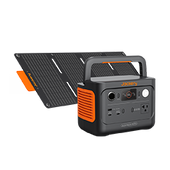
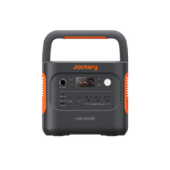
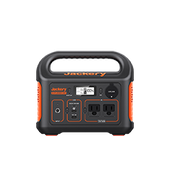
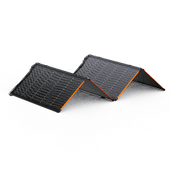
Ice storms usually mean long outages that can last for days. Gas generators are loud, need fuel, and aren’t safe inside. On the other hand, a solar generator gives you quiet, indoor-safe backup power so you can keep heat sources, lights, phones, WiFi, and essential appliances running without fumes. You can recharge the battery with solar panels when the weather clears or from the grid when power returns. Here are two solar generators that can fit into an ice-storm plan:
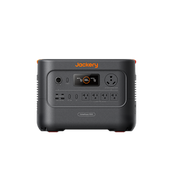
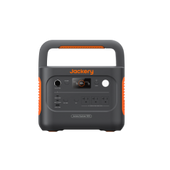
Jackery Solar Generator HomePower 3000
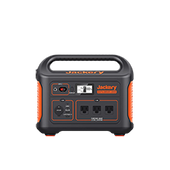
The Jackery Solar Generator HomePower 3000 is designed for powering essential appliances during outages. It has enough capacity to run space heaters, refrigerators, WiFi, lighting, phones, medical equipment, and other small appliances. It features a compact design and a foldable handle that allows easy transportation from one room to another. And if authorities ask you to evacuate for safety, you can pack the solar generator into the car and travel to a safe location.
Appliances Running Time
- Portable Heater (500W) = 5.0H
- Electric Blanket (100W) = 21.4H
- Refrigerator (150W) = 15.2H
- TV (150W) = 15.2H
- Induction Cooktop (1000W) = 2.6H
Who Should Buy This
The Jackery Solar Generator HomePower 3000 is ideal for people who need to keep the fridge cold, run WiFi, power medical devices, and use low-watt heating or electric blankets.

Customer Review
I was very impressed with the power stored within my HomePower 3000, which ran my fridge and freezer for 3 days.
— Robert
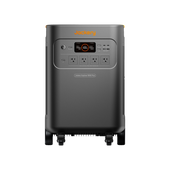
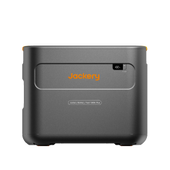
Jackery Solar Generator 5000 Plus
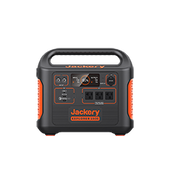
The Jackery Solar Generator 5000 Plus is a powerful, essential home backup solution for longer, heavier outages. It offers more capacity, higher output, and expandable battery storage, making it useful when freezing conditions last several days. It can support multiple essentials at once, including heating pads, fridge, lights, chargers, and even heavier appliances when needed. It supports dual-voltage output, making it easier to power different household devices safely.
Appliances Running Time
- Portable Heater (500W) = 7.8H
- Electric Blanket (100W) = 28.6H
- Refrigerator (150W) = 21.4H
- TV (150W) = 21.4H
- Induction Cooktop (1000W) = 4.1H
Who Should Buy This
The Jackery Solar Generator 5000 Plus is ideal if you need to power multiple rooms, run more devices simultaneously, expand your battery capacity over time, and stay prepared for severe winter storms.

Customer Review
I bought this as a backup power option for power outages. This is an absolute beast of a home battery supply.
— Kendra
FAQs
How to stay warm if the power goes out in winter?
Layer clothing, stay in one room, block drafts, use blankets, and rotate safe electric heat sources through a power station if available, to help you stay warm if the power goes out in winter.
How long will my house stay warm without heat?
Most homes hold heat for 8 - 24 hours, depending on insulation, outside temperature, and wind. Older or poorly sealed homes cool much faster. Closing doors and isolating one room helps extend warmth.
Which is the safest place to be during a winter storm?
Indoors, away from windows, trees, and power lines, is the safest place to be during a winter storm. Stay off roads during ice storms unless it is an emergency. If you must leave, tell someone where you are going and when you will be back.
How does snow and freezing rain disrupt power?
Freezing rain coats trees and wires in ice, adding extreme weight. Trees snap, poles break, and lines fall. Snow alone usually insulates, and ice physically damages the grid, so repairs take longer.
Conclusion
Ice storms are slow and heavy. When the power goes out, homes cool quickly, food spoils, pipes freeze, and communication becomes harder. When you prepare for ice storm power outages in advance, you remove most of the panic. You already know where you will stay, how you will stay warm, what you will eat, and how you will power essentials. Seal the house, set up a safe heating and lighting system, and keep reliable home battery backup power solutions ready so outages don’t catch you off guard. If you think in terms of safety first, ice storms become manageable rather than emergencies.


