
















![[Add-on] Jackery Manual Transfer Switch for Explorer 5000 Plus](http://ca.jackery.com/cdn/shop/files/add-on-jackery-manual-transfer-switch-for-5000-plus-240V.webp?v=1757043692&width=170)













You can prepare for severe weather by creating an emergency plan, knowing where to shelter, stocking essential supplies, securing your home inside and out, staying signed up for weather alerts, and having a reliable home battery backup ready so you can stay safe, warm, and connected during outages. Severe weather does not always give much warning. One minute, everything is normal, and the next, you are hearing about high winds, flooding, thunderstorms, hail, or tornado risks.
Severe weather can damage homes and often causes longer power outages. When you have a clear plan for food, water, emergency gear, backup power, communication options, and a checklist, severe weather becomes manageable. This guide explains the risks, the types of severe weather to plan for, what causes severe weather, how to prepare for severe weather, and where solar generators can help when the grid fails.
Takeaways
- Severe weather can damage homes, disrupt daily life, and cause extended power outages.
- A good preparedness plan includes a family emergency plan, safe shelter locations, stocked essentials, and backup power.
- Different severe weather types (storms, floods, heat, winter storms, hurricanes, tornadoes) require different safety steps.
- Jackery Solar Generators can help keep essentials like refrigerators, WiFi, phones, lights, and medical devices running.
- To prepare before storms, secure your home, charge devices, review evacuation routes, and communicate your plan with family.
How Can Severe Weather Damage a Home?
Severe weather affects more than just the outdoors. It can create expensive and dangerous problems inside and around your home. Understanding how damage happens because of severe weather helps you prepare smarter. Here are the most common ways severe weather causes trouble:
- High Winds: Rip off shingles, break windows, topple trees, and send debris flying into siding and cars.
- Heavy Rain and Flooding: Water seeps into basements, damages foundations, ruins flooring, and creates mold.
- Lightning Strikes: Power surges destroy electronics, damage wiring, and increase fire risk.
- Snow and Ice: Ice dams form on roofs, pipes freeze and burst, and structures crack under heavy accumulation.
- Hail: Dents gutters, cracks shingles, breaks skylights, and damages vehicles.
- Extreme Heat and Drought: Dries soil, shifts foundations, stresses electrical systems, and increases wildfire risk.
- Power Outages: Shut down heating, cooling, refrigerators, WiFi, and medical equipment, posing safety risks and causing food spoilage.
What are the Different Dangerous Severe Weather to Prepare for?
Some dangerous severe weather to prepare for includes thunderstorms, tornadoes, hurricanes and tropical storms, flooding, heatwaves, and wildfires. Different types of severe weather create different risks. Knowing what you are likely to face helps you plan realistically.
- Thunderstorms: Can bring lightning, wind gusts, flooding rain, and sudden power surges.
- Tornadoes: Cause intense, localized destruction, ripping roofs off, lifting debris, and destroying structures in seconds.
- Hurricanes and Tropical Storms: Create massive wind damage, long-lasting power outages, and widespread flooding.
- Flooding: Happens during heavy rain, storm surge, or rapid snowmelt and can damage anything it touches.
- Winter Storms and Blizzards: Drop temperatures dangerously low, freeze pipes, and make roads impassable.
- Heat Waves: Overload power grids, strain cooling systems, and create serious health risks.
- Wildfires: Threaten homes directly and fill the air with smoke, reducing air quality for miles.
Recommended Jackery Products for Severe Weather Preparedness
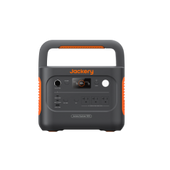
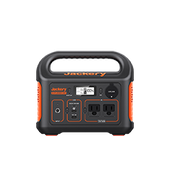
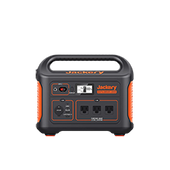
When severe weather knocks out the grid, the biggest problems include losing heating or cooling support, WiFi, phone charging, medical devices, and food safety. A reliable home battery backup gives you quiet, indoor-safe power without fuel, fumes, or constant maintenance. Jackery Solar Generators can power essential household appliances, such as refrigerators, heaters, WiFi, and phones, for extended periods. Here are two reliable home battery backup options if you want dependable backup during severe weather.
Jackery Solar Generator HomePower 3000
The Jackery Solar Generator HomePower 3000 is an essential home backup battery designed to keep your appliances running during outages. It can power appliances like your refrigerator, WiFi, lights, phones, laptops, and small appliances quietly and safely indoors. You can charge the home battery backup from the wall outlet before a storm and use solar panels to keep it recharged if the power stays out longer than expected. It is a practical option for families who want reliable backup without fuel, noise, or complicated setups.
Appliances Running Time
- Refrigerator (200W) = 11.8H
- Portable Heater (500W) = 5.0H
- TV (100W) = 21.4H
- Radio (50W) = 36.3H
- Electric Blanket (200W) = 11.8H
Who Should Buy This
The Jackery Solar Generator HomePower 3000 has a foldable handle that makes it easy to move from room to room or carry between locations, and it is strong enough to power basic appliances like refrigerators, WiFi routers, lights, and phones.

Customer Review
I used to have a 1500; it was great. I love the HomePower 3000. It powers my portable fridge (Domestic 55) for 6 days without recharging. I'm looking forward to using it more!
— Dwayne
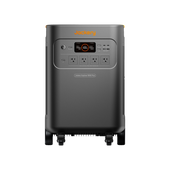
Jackery Solar Generator 5000 Plus
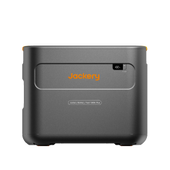
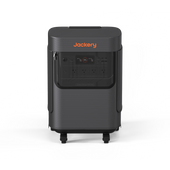
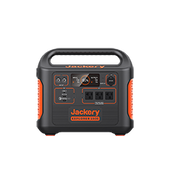
The Jackery Solar Generator 5000 Plus is a powerful, essential home backup solution that delivers even more power and runtime, making it ideal for longer outages or larger households. It can handle more devices at once and keep them running for extended periods, especially when paired with solar panels for recharging. If you live in an area with frequent storms or want extra peace of mind during emergencies, it gives you a stronger backup solution with plenty of capacity. It also features a pull rod and double wheels for easy transportation.
Appliances Running Time
- Refrigerator (200W) = 17.1H
- Portable Heater (500W) = 7.8H
- Electric Blanket (100W) = 28.6H
- Radio (50W) = 42.8H
- TV (200W) = 17.1H
Who Should Buy This
The Jackery Solar Generator 5000 Plus works well for larger homes or households with multiple devices running at once, and its expandability lets you add more battery capacity over time as your needs grow.

Customer Review
High-quality battery, lots of different functions, solar panels in a separate bag, very convenient, clear and reliable interface.
— Yana Kostiukevych
How to Prepare Before a Severe Weather Event?
Before severe weather hits, make a family emergency plan, know your safest shelter locations, stock several days of food, water, and medications, charge devices and backup power, secure your home and yard, review evacuation routes, and stay signed up for official weather alerts so you can act quickly if conditions worsen. The goal is to know what to do, have what you need, and reduce last-minute stress. Here are a few ways to prepare before a severe weather event:
- Have an Emergency Plan: Decide how your family will respond if you need to shelter in place or leave. Identify a safe room, discuss roles, and make sure everyone knows what to do if you are not together.
- Know Where to Go: Locate the safest spots for different weather types, such as interior rooms for tornadoes, higher ground for floods, and designated community shelters if evacuation becomes necessary.
- Stock Up on Essentials: Keep at least several days’ worth of water, non-perishable food, medications, pet supplies, flashlights, batteries, and sanitation items ready.
- Prepare for an Outage: Charge phones, power banks, and portable power stations from Jackery ahead of time. Test flashlights, check fuel for grills (if used safely outdoors), and make sure you can keep key devices running.
- Communicate With Others: Share your emergency evacuation plan with family members and neighbors. Make a list of emergency contacts and agree on a backup communication method if cell networks go down.
- Check for Damage: Inspect your roof, windows, gutters, and yard for weak spots. Secure items that could blow away and fix anything that could fail during high winds or heavy rain.
How to Get Severe Weather Alerts?
You can get severe weather alerts quickly by using official government tools and trusted services that issue warnings, watches, and advisories so you know when to take action. Environment and Climate Change Canada is the authoritative source for real-time severe weather information. Here are some ways to get severe weather alerts:
WeatherCAN Mobile App: The WeatherCAN app sends push notifications for severe weather alerts directly to your phone, based on your location. You can add multiple locations (home, work, family) and get real-time updates, radar, and forecasts.
Canada Severe Weather Alerts Page: This page lists active watches, advisories, and warnings across every province and territory. You can check what’s happening now, what’s expected next, and whether your area is at risk.
Environment Canada Weather Forecast Site: This site provides detailed local forecasts, radar maps, storm tracks, and explanations of alerts, helping you understand what type of severe weather is coming and when.
Alert Ready: It automatically sends emergency alerts to your cell phone, radio, and TV when a life-threatening situation is occurring, such as tornadoes, flooding, or evacuation notices. You don’t need to sign up.
FAQs
What is severe weather and its types?
Severe weather refers to dangerous atmospheric conditions that can cause damage, injuries, or disruptions. Some examples include thunderstorms, tornadoes, hurricanes, floods, winter storms, heat waves, and wildfires.
What causes severe weather?
Severe weather develops when unstable air, moisture, and temperature differences combine in the atmosphere. Some factors, like warm ocean waters, jet streams, pressure systems, and rapid temperature shifts, can fuel storms and intensify weather systems.
How to report severe weather?
You can report severe weather in Canada to Environment and Climate Change Canada (ECCC) using the WeatherCAN mobile app or the Severe Weather Reporting form on the ECCC website, including details like location, time, and what you observed (photos if safe). If the situation is life-threatening, call 911 first, then submit a report when it’s safe to do so.
What is a severe weather warning?
A warning means severe weather is occurring or about to occur in your area. You need to take action immediately. A watch means conditions are favorable, and you should stay alert and prepared.
What to do during severe weather?
Stay indoors, avoid windows, secure pets, and move to the safest area of your home (an interior room or a basement, if appropriate). Keep devices charged, monitor alerts, use backup power if available, and avoid traveling unless absolutely necessary.
Conclusion
Severe weather does not have to leave you unprepared or overwhelmed. With a solid plan, reliable alerts, stocked essentials, and a reliable backup power source, you can protect your home and keep your family safe when storms arrive. Preparation turns panic into calm and reduces the chances of costly damage or long disruptions. Start preparation early, review your plan regularly, and build a safety checklist that fits your home and climate. When power lines fall, roads flood, or storms drag on longer than expected, you’ll already have the tools, supplies, and backup systems you need to stay comfortable and connected.


