








![[Add-on] Jackery Manual Transfer Switch for Explorer 5000 Plus](http://ca.jackery.com/cdn/shop/files/add-on-jackery-manual-transfer-switch-for-5000-plus-240V.webp?v=1757043692&width=170)




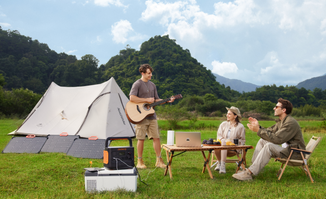
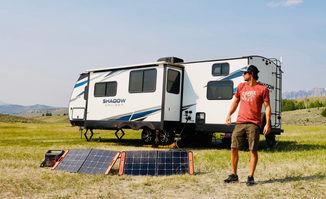

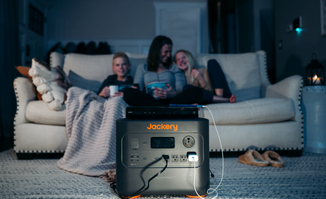
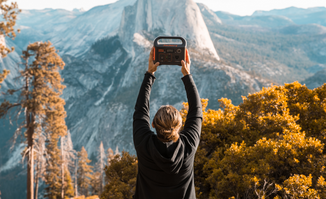








From the rugged peaks of the Rockies to the coastal trails of the Maritimes, Canadians are escaping the monotony of urban life. We crave fresh air, open spaces, and silence. But nothing ruins the serenity of a remote campsite faster than the roar of a gas generator.
Yet, going off-grid presents a challenge: power. You need to keep GPS devices charged for safety, phones alive for emergencies, and food fresh in electric coolers. The solution? A camping solar panel kit.
These systems provide silent, odorless, and renewable energy. They eliminate the anxiety of dead batteries and the noise pollution of traditional generators. Whether you are a weekend warrior in a tent or a nomad in an RV, understanding how to choose and use a camping solar panel kit is your ticket to true energy independence.
What is a Camping Solar Panel Kit?
A camping solar panel kit is a complete system designed to capture, convert, and store solar energy for off-grid use. While you can buy components individually, a kit ensures compatibility and ease of use.
Every functional solar system requires four core components:
- Solar Panels: These capture sunlight and convert it into DC electricity. For camping, you will typically choose between Monocrystalline (higher efficiency, black aesthetic) and Polycrystalline (lower cost, blue aesthetic).
- Charge Controller: The brain of the operation. It regulates the voltage coming from the panels to prevent overcharging the battery. MPPT (Maximum Power Point Tracking) controllers are superior to PWM, extracting up to 30% more power—crucial for Canadian latitudes.
- Battery Bank: The reservoir. You need to store energy for use at night or during cloudy spells. Modern camping solar panel kits use Lithium (LiFePO4) batteries, which are lighter and last longer than traditional Lead-acid or AGM batteries.
- Inverter: The translator. It converts the DC power stored in the battery into AC power (household electricity) so you can plug in laptops, CPAP machines, and coffee makers.
Portable vs. Permanent
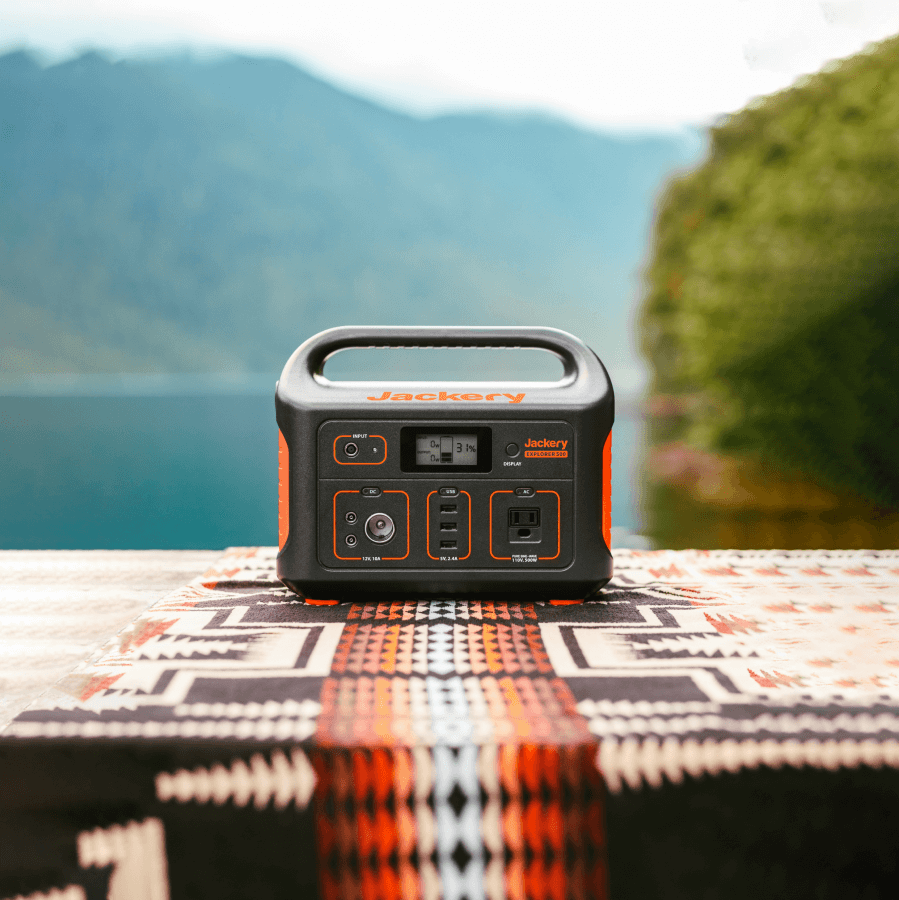
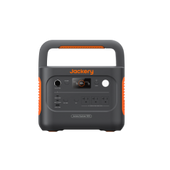
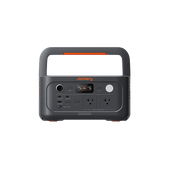
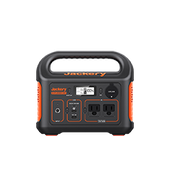
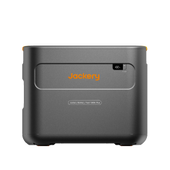
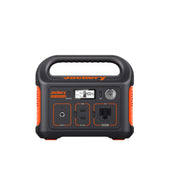
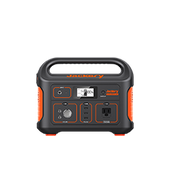
- Portable Power Stations (Solar Generators): These are all-in-one units like Jackery models. The battery, inverter, and charge controller are encased in one durable shell. You simply plug in a portable solar panel.
- DIY Component Kits: You buy separate parts and wire them yourself. This is common for permanent RV roof installations but requires technical electrical knowledge.
Assessing Your Power Needs
Don't buy a camping solar panel kit based on guesses. Do the math. Buying a system that is too small leads to frustration; buying one that is too big wastes money.
Step 1: Calculate Daily Consumption
List every device you plan to bring. Find their wattage (usually printed on the power brick or device label).
- The Formula: Watts × Hours Used = Watt-hours (Wh) per day
- Smartphone: 10W × 2 hours = 20Wh
- LED Camp Lights: 5W × 5 hours = 25Wh
- 12V Portable Fridge: 45W × 8 hours (compressor cycle) = 360Wh
- CPAP Machine: 40W × 8 hours = 320Wh
- Total Daily Need: 725Wh.
Step 2: Size the Battery
Your battery should hold enough power for at least one full day of autonomy, preferably two.
- Rule of Thumb: Battery Capacity ≈ 2x Daily Consumption.
- In the example above, a 1500Wh battery would provide a safe buffer for cloudy days.
Step 3: Size the Panels
You need enough solar input to refill that battery during the limited daylight hours (4–6 peak sun hours in Canada).
- Small Setup (100W-200W): Good for phones, lights, and short trips.
- Medium Setup (400W): Produces roughly 1.6 to 2.4 kWh per day under optimal conditions. Capable of running fridges and laptops indefinitely.
- Large Setup (1000W+): Required for high-draw appliances like microwaves or coffee makers.
What Can a Camping Solar Panel Kit Power?
Understanding the capabilities of your system prevents overloaded inverters and drained batteries.
Low-Wattage Devices (Compatible with almost all kits)
- Smartphones: A 400W kit can provide 100+ charges.
- Lighting: LED string lights can run for days.
- Connectivity: Wi-Fi routers and GPS devices draw negligible power.
Medium-Wattage Appliances (Requires 500Wh+ Battery)
- 12V Refrigerators: These are game changers for camping. With a proper solar setup, they can run 24/7.
- Laptops: Average draw is 60W-100W.
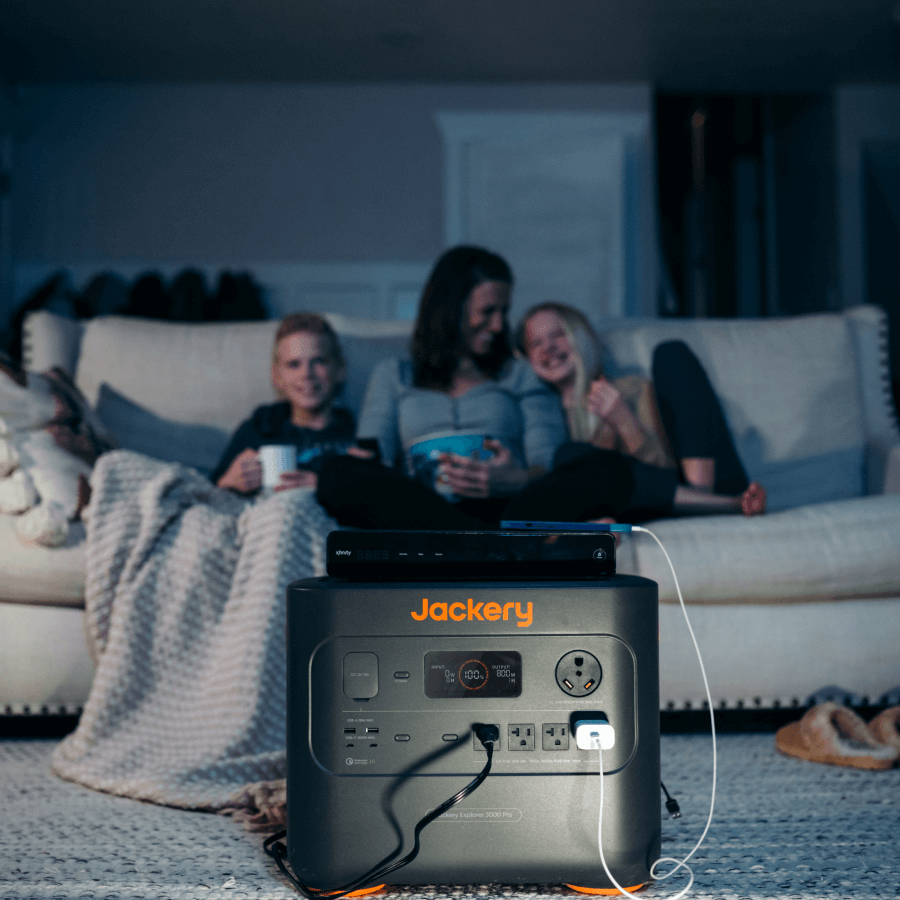
- Medical Devices (CPAP): Critical for many campers. A standard CPAP uses 300-500Wh per night. You need a reliable camping solar panel kit to ensure 12-24 hours of backup time.
High-Wattage Limitations
- The Golden Rule: Keep the continuous load under your inverter's rating. If your inverter is rated for 1000W, a 1500W heater will trip the breaker immediately.
- Surge Power: Motor-driven appliances (blenders, pumps, compressors) require 2x to 3x their rated wattage just to start. A 500W blender might spike to 1500W for a split second. Ensure your kit handles this surge.
- Incompatible Items: Electric heaters, air conditioners, and large microwaves often overload standard portable camping kits.
Canadian Weather and Environmental Factors
Solar power in Canada behaves differently than in Arizona.
Winter Performance
Contrary to popular belief, solar panels are more efficient in cold temperatures. Heat degrades conductivity; cold improves it. As long as the panel is in direct sunlight, a crisp -10°C day in the Rockies can yield excellent power generation.
However, snow cover is the enemy. Even a thin layer of snow blocks UV rays, dropping output to zero. You must keep panels cleared.
The Daylight Window
In Canadian winters, your generation window shrinks to roughly 9:00 AM to 3:00 PM. You have fewer hours to capture energy, meaning you need a larger solar array to charge your battery quickly before the sun sets.
Shade and Placement
Partial shading is devastating. If a single branch casts a shadow across 10% of a panel, output can drop by 50% or more due to the internal wiring of solar cells.
-
Tip: Park your RV or tent in the shade to keep it cool but use portable solar panels on extension cables to chase the sun.
Best Camping Solar Panel Kits with Jackery
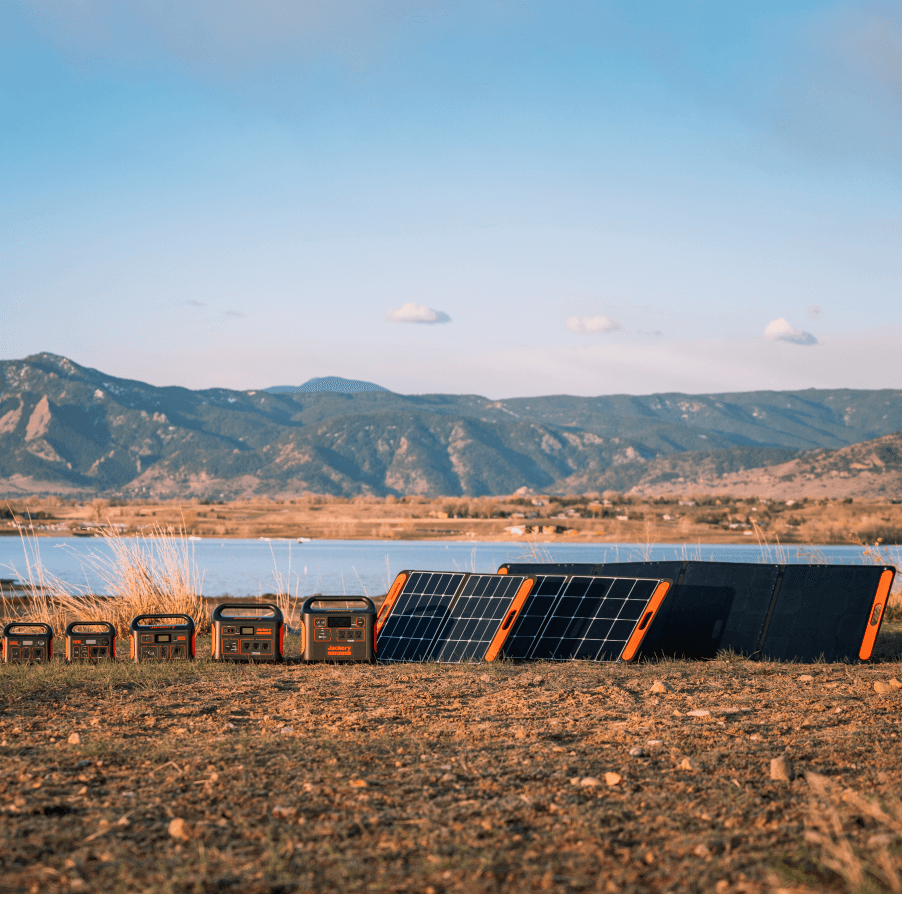
For most campers, building a system from scratch is overly complex and risky. Jackery offers camping solar panel kits—pairing a portable power station with portable solar panels—that are plug-and-play, safe, and durable.
Here are the top recommendations for modern camping needs:
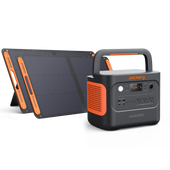
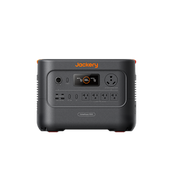
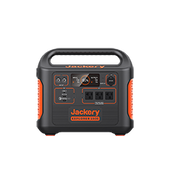
Jackery Explorer 1000 v2 Camping Solar Panel Kit
This is the gold standard for versatile camping. It strikes the ideal balance between capacity and portability.
- Capacity: 1070Wh (Enough to run a portable fridge for ~20-30 hours or charge a laptop 10+ times).
- Output: 1500W continuous output (Handles blenders, coffee makers, and power tools).
- Best For: Family camping trips, weekend overlanding, and powering CPAP machines for multiple nights. It features a compact design that fits easily in a car trunk.
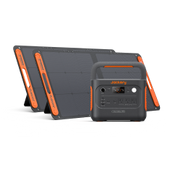
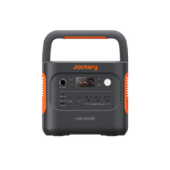
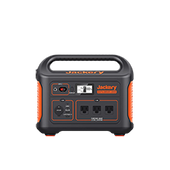
Jackery Explorer 1500 v2 Camping Solar Panel Kit
If you are going off-grid for longer or have higher power demands, the Explorer 1500 v2 is the upgrade you need.
- Capacity: 1534Wh (Extends autonomy significantly).
- Output: 1800W continuous output (Can power heavy-duty appliances like electric grills or hair dryers).
- Charging: Fast solar charging capabilities allow you to replenish the massive battery quickly, even during short Canadian winter days.
-
Best For: RV boondocking, long-term base camps, and emergency home backup.

How to Set Up Your Solar Kit
Setting up a Jackery camping solar panel kit requires no electrical engineering degree.
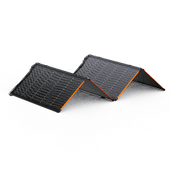
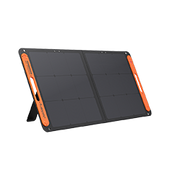
- Unfold the Panels: Jackery SolarSaga panels are foldable and magnetic. Open them up and extend the kickstands.
- Angle for the Sun: Orient the panels directly south. In Canada, the sun is lower in the sky, so angle your panels steeper (closer to vertical) in winter and flatter in summer.
- Connect: Plug the solar cable into the input port of the Explorer power station.
- Monitor: Check the LCD screen on the power station. It will show you exactly how many watts are coming in.
- Pass-Through Charging: You can plug your devices (phones, coolers) into the power station while it is charging from the sun.
Safety Note: While Jackery Solar Panels are IP68 rated, the power station itself is not waterproof. Keep the battery unit inside your tent or vehicle while the panels sit outside.
Conclusion
Camping is about disconnecting from stress, not disconnecting from safety. A reliable camping solar panel kit bridges the gap, allowing you to enjoy the creature comforts of modern life—lighting, communication, and refrigeration—without harming the pristine nature you came to enjoy.
Start by calculating your watt-hour needs. If you are unsure, err on the side of a larger battery like the Jackery Explorer 1500 v2 to handle the variable Canadian weather.
Whether you are a first-time camper or a seasoned outdoorsman, switching to solar is a win for your peace of mind and the environment.
Ready to power your next adventure? Check out the Jackery Explorer 1000 v2 and Jackery Explorer 1500 v2 to find the perfect fit for your trip.