








![[Add-on] Jackery Manual Transfer Switch for Explorer 5000 Plus](http://ca.jackery.com/cdn/shop/files/add-on-jackery-manual-transfer-switch-for-5000-plus-240V.webp?v=1757043692&width=170)



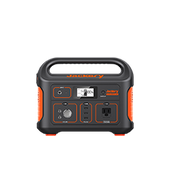

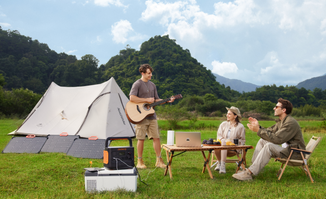
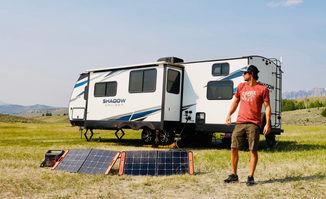
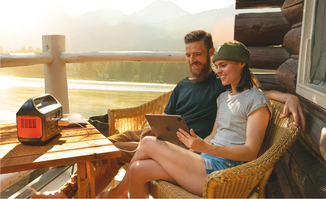
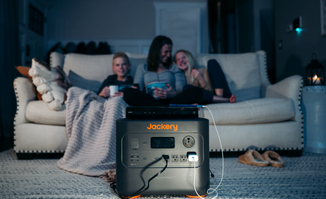
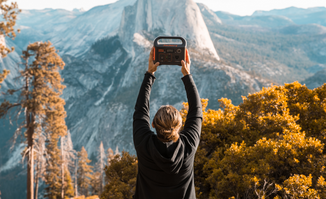








Off-grid living means choosing a lifestyle outside traditional urban cities without public utilities, e.g., electricity, water, gas, or sewerage. People opting for this lifestyle usually settle in remote areas like forests, mountains, islands, rural suburbs, and sometimes a travel bus.
Living in an off-grid cabin is a challenging lifestyle in a country like Canada, with massive uninhabited land and extreme weather conditions. It involves research, planning, and plenty of resources for execution.
Robust Heating Strategies
Living in an off-grid cabin exposes you to seasonal changes and environmental factors. Winters in Canada can be incredibly harsh. For instance, the Northwest Territories' temperature could drop from -20 °C to -40 °C (-4 °F to -40 °F), making heating a paramount concern. Understanding how portable electric generators keep you warm is vital for safety in these extreme conditions.
While solar power is essential, relying solely on electricity for heating during a Canadian winter is often impractical due to the high energy consumption of electric heaters and shorter daylight hours. Wood stoves are the gold standard for off-grid heating, but they come with drawbacks like potential air pollution and the physical labor of sourcing fuel. It is crucial to install a high-efficiency wood stove with a secondary burn system for overnight warmth and to have a backup heating source, such as a propane heater, for emergencies.
Managing Snow and Ice
Beyond temperature, the physical weight of winter poses a threat. Off-grid cabins require steep roof designs to prevent collapse from heavy snow loads. Furthermore, if you rely on solar energy, you must be prepared for the daily chore of clearing snow from your solar panels to maintain energy production.
Freezing pipes is another critical issue. In extreme cold, standard insulation may not be enough. Many off-gridders utilize glycol antifreeze in heating loops or install DC-powered heat trace cables on plumbing lines—powered by a robust battery bank—to prevent catastrophic bursts.
Legal, Financial, and Logistical Hurdles
Your off-grid cabin may look tiny in the vast wilderness, but it still needs a regular household's utilities and legal clearances to function correctly. An off-grid lifestyle comes with a lot of self-reliance and freedom but also with numerous bureaucratic and financial challenges.
Zoning and Building Codes
A common misconception is that "off-grid" means "rule-free." In reality, national and provincial building codes still apply. Most municipalities enforce minimum square footage requirements (often between 500 and 1,000 sq. ft.), which can hinder plans for tiny homes. Additionally, squatting is illegal in Canada; you must own the land or have a valid lease.
Aspiring off-gridders should research "unorganized townships" or specific municipalities with flexible zoning bylaws that allow for alternative building methods and composting toilets. Failing to obtain the correct permits can result in fines or orders to demolish your structure.
The High Cost of Independence
While you save on monthly utility bills, the upfront cost of off-grid infrastructure is substantial. Between purchasing land, drilling a well, installing a septic system, and setting up a reliable solar array and battery bank, initial costs can range from $10,000 to over $70,000 depending on the system size and location.
Maintenance also adds up. You may still need a qualified technician or repair parts for your inverter or well pump, which could be a substantial logistic hassle and extremely expensive in the long run. A reliable off-grid solar-powered system can reduce your reliance on external support, bringing a lot of ease and significantly reducing your maintenance burden.
Water Sourcing and Waste Management
Like a regular urban house, water is an essential feature of an off-grid lifestyle. Living in remote locations may suggest your primary water source will be lakes, wells, streams, or surface water.
Securing Potable Water
The availability of these sources depends upon the seasonal rainfall, groundwater levels, and surface water quality. This water may not be suitable for drinking directly; thus, you need to invest in a rigorous water filtration system (UV filters or reverse osmosis) to treat natural water sources.
When all the water sources are frozen in extreme winters, one needs a power energy source to keep the hot off-grid water running. Deep-well pumps or heated intake lines are necessary to ensure water flow does not stop when temperatures plummet.
Waste Disposal Regulations
Managing sewage without a municipal connection is a major logistical hurdle. Provincial environmental rules regarding septic systems are strict to prevent contamination of the water table. Traditional septic systems are expensive to install in remote, rocky terrain.
Many off-gridders opt for composting toilets or greywater systems, but these require a learning curve for maintenance and must still meet local health safety standards.
Safety, Skills, and Connectivity
Canada has vast patches of uninhabited land covered by forests, mountains, and other breathtaking landscapes. An off-grid cabin in these scenic remote regions sounds like a great idea, but it also comes with the enormous challenges of reliable communication and safety.
Encounter With Wildlife
Canada hosts a diverse range of wildlife. It's a regular occurrence for the residents of Yukon, Alberta, and British Columbia to encounter wild animals in their daily lives. However, encounters with wild animals like polar bears, wood bison, and grizzlies could threaten human life if not tackled with due protocols.
Therefore, it is wise to research the local wildlife, their behaviour, and potential risks before moving into their habitat. Using warm-toned outdoor lights or motion sensor-activated lights outside your off-grid cabin could be extremely helpful in managing wildlife interactions without harming the surrounding environment.
Communication Problems
Off-grid communities are usually located far from cell towers and fibre optic cables, leaving them with little or no cell phone coverage and no internet. This can become a severe challenge in emergencies when contacting police, the forest department, or rescue services is unavoidable.
To overcome this, many off-gridders invest in satellite internet (like Starlink) or satellite communicators. A reliable internet service is also mandatory if you plan to study online or switch to remote work to fund your lifestyle. You must ensure you have a reliable setup for powering remote work effectively to maintain productivity off-grid.
Essential DIY Skills and Mental Resilience
Living in an autonomous house involves managing independent systems. Understanding these systems' complexities requires specialized skills. You must become a jack-of-all-trades: part plumber, part electrician, and part carpenter.
Furthermore, the isolation can take a toll. The "cabin fever" phenomenon is real. Preparing mentally for long periods of solitude and ensuring you have hobbies or a digital connection to the outside world is vital for long-term success.
Go Off-Grid Sustainably With Solar Power
A solar-powered system absorbs the sun's radiations and converts them into a usable power supply with the help of solar panels. As suggested by the name, an off-grid solar energy system operates independently of the national grid. It is a self-sufficient energy solution that generates reusable energy that you can store in batteries for later use.
The benefits brought by off-grid solar kits are enormous, making them a viable and sustainable choice for those who want to switch to off-grid living:
Energy Independence
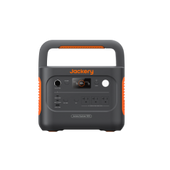
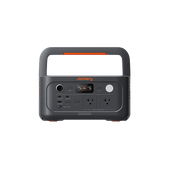
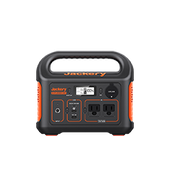
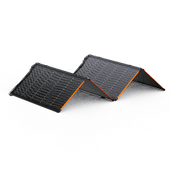
The most notable advantage of off-grid solar power systems is complete independence from grid-tied electricity. Solar generators come with varied power capacities, which can fulfill the power needs of your off-grid cabin. This system is composed of solar panels with portable solar power stations in Canada to store electricity, which can be used in a lot of ways:
- HVAC Support: While primary heating may be wood-based, solar power is essential for running the fans and control boards of HVAC systems, ensuring heat circulates effectively throughout the cabin.
- Electrical Appliances: Going outside during heavy snowfall or extremely low temperatures is impossible. Run your kitchen appliances with solar-powered energy to cook warm meals, reheat food, and enjoy hot beverages.
- Outdoor Lighting: Brighten your outdoor spaces and surroundings around your off-grid cabin to enjoy bonfires, BBQs, and game nights with your family, while also deterring wildlife.
Charging Communication Devices and Other Accessories
A solar-powered energy system lets you charge your phones, cameras, satellite communicators, and laptops. You can keep connected with the rest of the world from the comfort of your off-grid cabin. Emergencies are easy to handle, and you can study, work, or enjoy your favourite programs in the most remote locations.
Low Maintenance
Off-grid solar-powered systems are usually low maintenance compared to gas generators. You only have to regularly inspect your solar panels for dust, snow, and anything else affecting their efficiency. Keep track of your battery health and charging cycles to avoid sudden power outages.
Jackery's Solutions to Empower Your Off-Grid Cabin Life
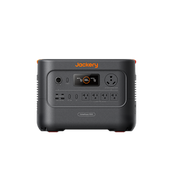
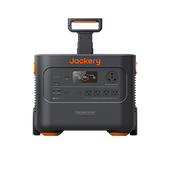
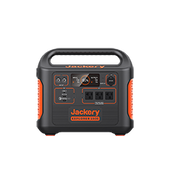
Knowing what off-grid cabin living needs are—specifically the need for high capacity, reliability in cold weather, and ease of use—we at Jackery focus on developing robust, efficient, and quiet solar solutions. To illustrate, let's look at two powerful options: the Jackery Solar Generator HomePower 3000 and the Jackery Solar Generator 5000 Plus.
Jackery Solar Generator HomePower 3000
For cabins that require a balance of portability and substantial power, the Jackery Solar Generator HomePower 3000 is an exceptional choice. It is designed to bridge the gap between portable camping units and full-home backups.
- High Capacity and Output: With a massive 3072Wh capacity and 3600W power output, this generator can run most outdoor and home appliances. It can easily power refrigerators, coffee makers, and power tools essential for cabin maintenance.
- Cold Weather Resilience: Designed for the outdoors, it functions efficiently even when temperatures drop, ensuring your essential devices stay running during Canadian shoulder seasons.
- Fast Solar Charging: When paired with solar panels, the Jackery Solar Generator HomePower 3000 charges rapidly, maximizing the limited daylight hours during Canadian winters.
-
Quiet Operation: Unlike loud gas generators that disturb the peace of the wilderness, this unit operates with minimal noise (as low as 30dB), preserving the serenity of your off-grid retreat.

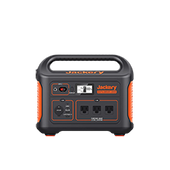
Jackery Solar Generator 5000 Plus
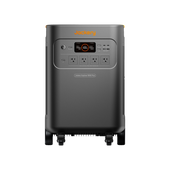
If you are planning a full-time off-grid life with larger power needs, or if you need to run high-demand appliances like well pumps, water heaters, or heavy-duty tools, the Jackery Solar Generator 5000 Plus is the ultimate solution.
- Expandable Capacity: The Jackery Solar Generator 5000 Plus features a modular design. Starting with a substantial base capacity, it can be expanded with extra battery packs to provide up to 60kWh of energy storage. This is critical for surviving multi-day snowstorms where solar intake might be low.
- Heavy-Duty Output: It supports high-voltage appliances, making it capable of running essential off-grid infrastructure that smaller units cannot handle, such as deep-well water pumps or electric saws for firewood processing.
- Smart App Control: Monitor your battery levels, input/output usage, and charging status directly from your smartphone via the Jackery app. This is crucial for energy management when every watt counts.
- Guaranteed Sustainability: With zero carbon footprint, Jackery Solar Generators have a TÜV carbon neutral certification, meaning no negative impact on the natural landscape and surrounding environment.
Both the Jackery Solar Generator HomePower 3000 and the Jackery Solar Generator 5000 Plus offer a clean, quiet alternative to fossil fuel generators, reducing the need to haul heavy cans of gas into remote locations.
Conclusion
Off-grid dwellings in Canada are constantly evolving. From small off-grid cabins in the woods to planned mobile home parks, people are moving towards sustainable living. It is a challenging but enriching lifestyle for those who are flexible, resourceful, and willing to put in some sheer hard work. Once you have decided where you would like to live and navigated the zoning and legal landscape, consider investing in a high-performing and sustainable off-grid power system.