












![[Add-on] Jackery Manual Transfer Switch for Explorer 5000 Plus](http://ca.jackery.com/cdn/shop/files/add-on-jackery-manual-transfer-switch-for-5000-plus-240V.webp?v=1757043692&width=170)













For many Canadian households, the quarterly carbon tax rebate—officially called the Canada Carbon Rebate (CCR)—has been a dependable financial boost. Without it, families feel a real gap, with living costs for essentials like home heating and fuel seeming to rise by 5 to 15 percent. The loss adds stress for families, seniors, and small business owners alike.
In this article, we will talk about the immediate actions you can take now that the rebate is gone.
Your Immediate Action Plan: Securing Final Payments & Managing Your CRA Account
Before planning for the future, it's crucial to ensure you've received all the funds you are entitled to from the carbon tax rebate program. A few simple administrative checks can secure any final or retroactive payments.
How Do I Check My CRA Account?
Log in to your Canada Revenue Agency (CRA) "My Account" online portal. Double-check that your direct deposit information and mailing address are completely up to date. This ensures any final or adjusted CCR payments reach you without delay. Payments are issued via direct deposit (the fastest method) or paper cheque.
Can I Still File for Past Rebates?
Eligibility for the Canada carbon rebate was tied to filing your annual income tax and benefit return. Individuals can still receive past CCR payments by filing outstanding income tax returns for those years. Refer to Schedule 14 for 2018-2020 Climate Action Incentive credit information.
Filing your taxes by the annual deadline is essential for the timely receipt of any government benefits or rebates.
What Should I Do If I Receive an Overpayment Notice?
The CRA is recovering overpayments of the rural supplement, with notifications starting April 15, 2025. If you receive a notice, follow these steps:
- Verify the Amount: First, check the amount against your own records.
- Seek Explanation: You have the right to contact the CRA for a formal explanation.
- Explore Options: You can explore repayment plans or appeal options if you disagree with the notice.
The rural supplement increased from 10% to 20% as of June 22, 2024, but eligibility reverted to 2016 Census data. Check the CRA website's map and list of municipalities to verify your rural eligibility.
How Can I Avoid Scams Related to the Rebate?
Scammers often exploit changes in government programs to target unsuspecting Canadians. Remember that the CRA will never demand immediate payment via gift cards, cryptocurrency, or e-transfer. They will also never threaten you with immediate arrest or use aggressive language. Verify any suspicious communication by contacting the CRA directly through official phone numbers or your online account.
Bridging the Budget Gap: Practical Strategies to Lower Your Energy Costs
With the carbon tax rebate gone, actively reducing your household energy consumption is the most direct way to control your monthly expenses. A few strategic changes can lead to significant savings on your utility bills.
How Do I Calculate My Personal Budget Shortfall?
The government of Canada stopped the federal fuel charge and CCR for individuals on March 15, 2025. No further quarterly CCR payments will be issued after April 2025.
To understand the impact, start by calculating your personal budget gap. Look at your past bank statements to see the exact amount you received from the quarterly CCR. Compare this to your annual electricity and heating bills to determine a realistic monthly savings target.
What Are Some Quick Ways to Reduce Energy Costs?
You can achieve immediate savings with low-cost, high-impact changes.
- Implement Efficiency Upgrades: Switching to LED light bulbs, installing a smart thermostat to optimize heating and cooling, and sealing air leaks around windows and doors can cut your overall energy use by 10-20%.
- Shift Your Usage: Many utility providers offer lower electricity rates during off-peak hours, typically overnight and on weekends. Schedule high-consumption tasks like running the dishwasher, washing machine, or dryer during these periods to lower your hydro bill.
This article about power outage map and backup solution in Canada can also inform your energy-saving strategies.
Are There Other Government Programs for Energy Savings?
Look beyond immediate fixes toward long-term efficiency. The federal government and various provinces offer grants and interest-free loans for energy-saving home retrofits. Programs like the Canada Greener Homes Grant can help fund major upgrades like installing a high-efficiency heat pump or improving your home's insulation.
These retrofits permanently lower your home's baseline energy demand, leading to sustained savings for years to come. Always keep detailed receipts for all energy retrofits, as you may be eligible to claim them as tax credits on your next return.
Building Energy Resilience: How to Choose the Right Portable Power Solution
Reducing consumption is the first step, but true peace of mind comes from building energy independence. A portable power station is a powerful tool for resilience, giving you control to strategically avoid high peak-hour grid costs.
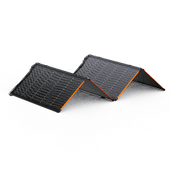
By pairing a portable power station with solar panels, you not only create a self-sustaining solar generator , but also ensure you are prepared for any situation, from a local blackout to a regional flash flood warning.
Which Model is Best for Essential Backup and Short Outages?
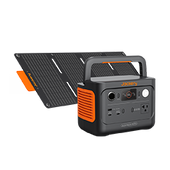
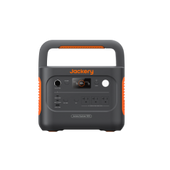
For keeping lights on and devices charged during brief outages, a compact and lightweight unit is ideal.
-
- Ultra-portable, weighing just 8.27 lbs (3.75 kg).
- Powers a smart speaker (10W) for 18 hours.
- Charges a smartphone (29W) 13 times.
- Ideal for small devices, camping, and short outages.

-
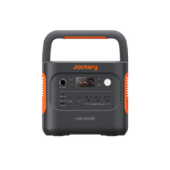
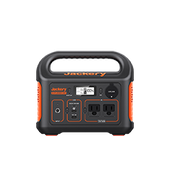
Jackery Solar Generator 600 v2
- Offers Uninterruptible Power Supply (UPS) functionality.
- Automatically switches to battery power in under 10 milliseconds.
- Keeps sensitive electronics like routers and computers running without interruption.
Which Model is Best for E-Bike Charging and Outdoor Use?
If you need reliable power for remote work, weekend camping, or charging an e-bike, you need more capacity and faster recharging.
-
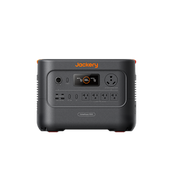
Jackery Solar Generator 1000 v2
- Reaches a full charge from a wall outlet in just 1 hour.
- Powers a laptop (50W) for 14 hours.
- Versatile for remote work, outdoor adventures, and RVs.
Which Models Can Power Critical Home Appliances and Medical Devices?
When you need to power essential appliances like a refrigerator or critical medical equipment like a CPAP machine, capacity and reliability are paramount.
-
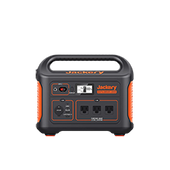
Jackery Solar Generator 2000 v2
- Features a sub-20ms UPS switchover, ensuring devices like computers and medical equipment never lose power.
- Runs an average refrigerator (300W) for 5 hours.
- High-capacity for critical home backup or extensive off-grid living.
-
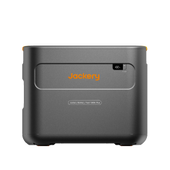
Jackery Solar Generator 2000 Plus
- Expandable, allowing you to add extra battery packs as your needs grow.
- Provides reliable, long-lasting power for critical appliances.
- Excellent for extended home backup scenarios.
Which Models Are Suited for Extended Home Backup?
For those seeking a more robust home backup system, larger-capacity models can handle high-demand appliances and even integrate with your home's electrical system.
-
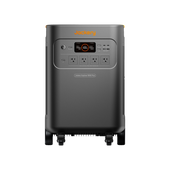
Jackery Solar Generator HomePower 3000
- A powerful solution for running multiple appliances simultaneously.
- Provides substantial backup for demanding needs and extended outages.
-
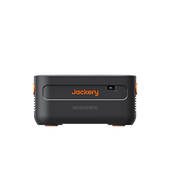
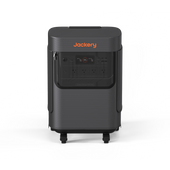
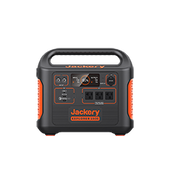
Jackery Solar Generator 5000 Plus
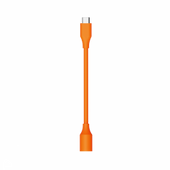
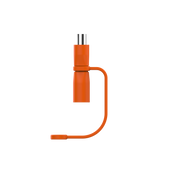
- Expandable system that can connect to a transfer switch (sold separately) for seamless integration with your home's circuits.
- Automatically powers designated areas during an outage.
- Runs a 1500W dryer for 2.8 hours.

Understanding the full picture of the grid map in Canada can help you decide if this level of backup is right for your region.
How Do I Size My Power Needs?
Choosing the right model depends on your specific needs. Use this simple guide to find your perfect fit.
|
Step |
Action |
Example |
|---|---|---|
|
1. List Devices |
Identify the essential devices you need to power. |
WiFi Router, Laptop, Small Fridge |
|
2. Find Wattage |
Check the device label or manual for its power consumption in watts (W). |
Router (10W), Laptop (60W), Fridge (150W) |
|
3. Estimate Runtime |
Decide how many hours you need to run each device. |
Router (8 hrs), Laptop (4 hrs), Fridge (6 hrs) |
|
4. Calculate Total |
Multiply each device's wattage by its runtime to get watt-hours (Wh). Add them up. |
(10x8) + (60x4) + (150x6) = 1220Wh |
|
5. Select Model |
Choose a Jackery model with a capacity (Wh) that exceeds your total requirement. |
Jackery Solar Generator 2000 v2 (2042Wh) |
Conclusion: Your Path to Financial and Energy Stability
The end of the carbon tax rebate requires a shift in financial planning, but it also presents an opportunity to take greater control of your energy future. Your first priority should be to log in to your CRA account, ensure your information is correct, and file any outstanding returns to secure all entitled CCR payments.
Next, implement practical, low-cost energy-saving measures to immediately lower your monthly bills and bridge the budget gap. These quick wins provide instant financial relief while you plan for the long term.
Finally, consider a Jackery Solar Generator as a smart investment in your family's resilience. It's more than just a backup device; it's a tool that provides peace of mind, control over your essential power needs, and a definitive step toward energy independence. Making an informed decision on if investing in a household backup generator is worth the cost is the final step in securing your home's stability.
Frequently Asked Questions
How can I estimate the actual impact of the rebate's removal on my specific household budget beyond a general percentage?
To find your precise financial gap, review your bank records for the exact quarterly carbon tax rebate amount you received and compare it to your average monthly or quarterly energy bills. This will give you a clear dollar amount to target for your savings efforts.
Are there any provincial or municipal programs that might offer similar financial relief or energy incentives now that the federal rebate is gone?
Many provinces, territories, and municipalities offer their own energy efficiency programs, so check the official websites for your local government and utility provider. These sites often list available grants, rebates, or loans for home energy retrofits.
What are the long-term maintenance considerations or potential hidden costs associated with owning a portable power station like those from Jackery?
Jackery power stations are designed for longevity with high-quality LFP batteries, but you can maximize their lifespan by storing them at room temperature and avoiding full depletion. There are no hidden fees; periodic checks to ensure the unit is charged are all that's needed.


