















![[Add-on] Jackery Manual Transfer Switch for Explorer 5000 Plus](http://ca.jackery.com/cdn/shop/files/add-on-jackery-manual-transfer-switch-for-5000-plus-240V.webp?v=1757043692&width=170)














Why Travelers are Switching from Ice to 12-Volt Fridges
A 12 volt RV refrigerator solves the problem of food spoilage on road trips by maintaining precise temperatures without ice. Unlike traditional coolers that result in soggy sandwiches and require constant ice replenishment, 12-volt fridges use vehicle power or portable batteries to keep food safe indefinitely.
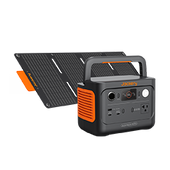
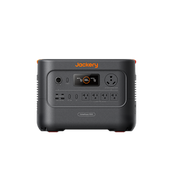
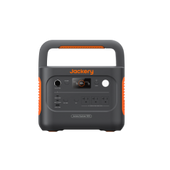
Travelers often hesitate to adopt this technology due to battery anxiety—the fear of draining a vehicle's starter battery. Modern power solutions have eliminated this risk. High-efficiency compressors paired with units like the Jackery Solar Generator 1500 v2 make these fridges reliable for cross-country road trips, overlanding, and off-grid van life.
While the upfront cost exceeds that of a plastic cooler, the utility justifies the investment. A portable fridge eliminates food waste, removes the recurring cost of ice, and enables travelers to cook fresh meals anywhere.
12 Volt RV Refrigerator — Quick Technical Overview
Selecting the right unit requires understanding the three main cooling technologies: compressor, absorption, and thermoelectric. Not all electric coolers offer the same performance or efficiency.
Compressor vs. Absorption vs. Thermoelectric
- Compressor fridges: Compressor models are the standard for 12 volt RV refrigerator setups. These units operate like a home fridge but run efficiently on 12/24V DC, cooling rapidly and performing well on slopes up to 30 degrees.
- Absorption (3-way) fridges: Absorption units run on propane, AC, or 12V. While versatile, these fridges must be perfectly leveled to operate and are inefficient when running on electricity alone compared to compressor models.
- Thermoelectric coolers: Thermoelectric plates are inexpensive but limited. These coolers can only lower temperatures about 20°C below ambient levels, meaning they cannot keep perishables safe in a hot vehicle.
Essential Features to Look For
- Dual-zone compartments: Dual-zone units feature separate temperature controls, allowing users to freeze meat in one section while keeping vegetables crisp in the other.
- Battery protection systems: This safety feature monitors input voltage. If the car battery voltage drops too low, the 12 volt RV refrigerator cuts power automatically to ensure the engine can still start.
- Insulation quality: Thick insulation is critical for energy efficiency. High-quality insulation ensures the compressor runs less frequently, saving significant battery power during overnight stays.
Power Management: Preventing Battery Drain and Extending Runtime
A 12 volt RV refrigerator is only as reliable as its power source. Managing energy consumption through calculation and proper equipment is key to off-grid success.
Understanding Power Draw
Compressor fridges typically draw 30–60W when the compressor is active. These units do not run continuously; In average ambient temperatures (25°C/77°F), the compressor cycles for approximately 20-30 minutes per hour.
Vehicle Alternator vs. Auxiliary Power
A vehicle alternator powers a fridge easily while driving, but parking requires a secondary power strategy. Relying on a starter battery for overnight cooling is risky.
- Auxiliary batteries: A dedicated house battery, preferably LiFePO4, isolates the cooling unit from the engine's starter system.
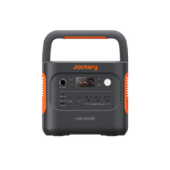
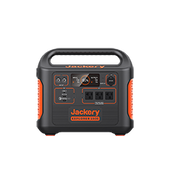
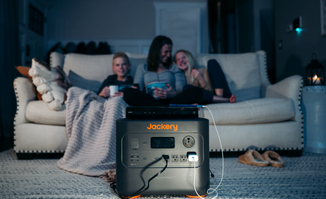
- Portable power solutions: A portable power station offers superior flexibility. The Jackery Solar Generator 1500 v2 provides reliable off-grid power without engine idling, allowing users to move the fridge away from the vehicle for picnics or beach excursions.
Calculating Runtime
To estimate battery life, divide the battery capacity (Wh) by the average fridge draw.
- Example: A 60W fridge running 50% of the time draws roughly 30Wh per hour.
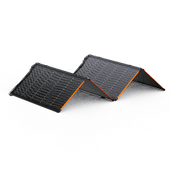
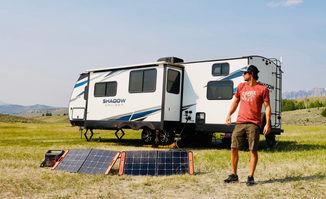
- Solar integration: Adding 100W–200W solar panels can offset this daily consumption entirely. You can learn more about solar generators for refrigerators to size your setup correctly for indefinite runtime.
Pre-trip Preparation and Cooling Strategies
Efficiency begins before the trip starts. Proper preparation of the 12 volt RV refrigerator reduces the workload on the battery significantly.
Pre-Cooling Techniques
-
Pre-cool the unit: Plug the fridge into AC wall power for 12–24 hours before departure. Cooling the interior structure in advance prevents the compressor from running overtime on battery power once on the road.
- Pre-chill contents: Load only cold or frozen items. Placing warm soda or leftovers inside forces the compressor to work harder to remove that heat, draining battery reserves.
Packing for Thermal Efficiency
-
Thermal mass: An empty fridge is inefficient because air loses temperature quickly when the lid opens. Fill empty spaces with frozen water bottles to stabilize the temperature and provide emergency drinking water as they thaw.
-
Freezer banking: Place a layer of deep-frozen items (steaks, stews) at the bottom. These frozen goods act as a cold reservoir, helping maintain low temperatures for items stacked above.
-
Organization: Use clear containers to identify food quickly. Knowing exactly where items are minimizing the duration the lid stays open.
- Two-cooler strategy: If space permits, use a standard cooler for frequently accessed drinks and the 12 volt RV refrigerator for perishables. This keeps the electric fridge sealed and cold.
Installation, Placement, and Ventilation
Improper installation is the leading cause of fridge failure and poor performance.
Ventilation and Mounting
Ventilation is key: Compressors generate heat that must dissipate. Never block the vents with sleeping bags or luggage; poor airflow causes overheating, which spikes power consumption and can trigger safety shut-offs.
Secure mounting: A loaded 12 volt RV refrigerator is heavy. Use tie-down straps or specific mounting brackets to prevent the unit from becoming a dangerous projectile during hard braking or accidents.
Electrical Considerations
Wiring gauge: Standard 12V cigarette lighter sockets often use thin wiring that causes voltage drop. This drop tricks the fridge into detecting a dead battery. Use heavy-gauge wiring for dedicated 12V sockets to ensure consistent power delivery.
EV considerations: Electric vehicle owners must verify if the 12V socket stays active when the vehicle is locked. Some EVs require Camp Mode to keep accessory ports powered for the fridge.
Noise management: While quiet, compressors emit a low hum. Place the unit away from sleeping areas if staying inside the vehicle.
Packing and Daily Use Best Practices
Packing strategy directly impacts how well food is preserved in a portable fridge.
Internal Airflow
Airflow inside: Do not pack items so tightly that air cannot move. Leave small gaps between containers to allow cold air to circulate effectively throughout the 12 volt RV refrigerator.
Layering: Keep frequently used items like snacks and lunch ingredients at the top. Buried items require longer lid-open times to retrieve, letting cold air escape.
Operational Habits
Door discipline: Decide what is needed before opening the lid. Frequent opening allows cold air to escape and warm, moist air to enter, causing frost buildup on the cooling elements.
Ambient temperature: Park in the shade whenever possible. A car interior can reach 50°C in the sun, forcing the fridge to run continuously to maintain safe temperatures.
Fill the void: As food is consumed, replace the volume with water bottles or gear to maintain thermal mass.
Maintenance, Safety, and Common Troubleshooting
Routine care keeps a 12 volt RV refrigerator running for years.
Temperature and Hygiene
Safe temperatures: Maintain 1.7–3.3°C (35–38°F) for fresh food and −18°C (0°F) for frozen goods to prevent bacterial growth.
Cleaning: Wipe the interior with mild soap and water. Ensure seals are clean and free of crumbs to guarantee a tight close.
Defrosting: Ice acts as an insulator, reducing cooling power. Manually defrost the unit if ice buildup exceeds 3mm.
Troubleshooting
Troubleshooting heat: If the fridge runs constantly but doesn't cool, check the door seals, ensure vents aren't blocked, and reduce exposure to direct sunlight.
Troubleshooting power: If the unit shuts off unexpectedly, check the battery voltage. Users may need to adjust the fridge's low-voltage cutoff setting to Low or Medium if vehicle wiring causes voltage drop.
Decision Checklist: Is a 12-volt Fridge Right for Your Trip?
Before investing, ensure a portable fridge matches your travel logistics.
- Trip duration: A 12 volt RV refrigerator is highly recommended for trips exceeding 3–4 days. For weekends, a high-quality cooler may suffice.
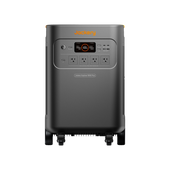
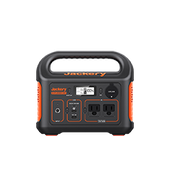
- Power availability: Do you have a secondary battery or a unit like the Jackery Solar Generator 2000 v2? Without independent power, a fridge becomes a liability.
- Vehicle space: Measure the trunk space. Account for the unit's size plus 2-3 inches of clearance for ventilation.
- Budget: Factor in the cost of the fridge plus the necessary power infrastructure (battery, wiring, solar).
- Convenience value: Weigh the upfront cost against the freedom of never hunting for ice blocks in remote towns.
Integrating Smart Features and Additional Accessories
Modern accessories enhance the usability and efficiency of a cooling setup.
Smart Control and Access
App monitoring: Many modern fridges feature Bluetooth connectivity. Users can monitor temperature and adjust settings via a smartphone app without unpacking the car.
Insulated covers: An external thermal cover adds an extra layer of insulation, improving energy efficiency and protecting the exterior from scratches.
Fridge slides: If the trunk is packed tight, a slide mount allows the user to pull the fridge out for easy access.
Advanced Power Pairing
For extended off-grid stays, battery capacity is critical. The Jackery Solar Generator 2000 v2 offers a massive 2042Wh capacity, allowing for extended fridge runtimes without immediate recharging.

Solar recharging: Connect solar panels to the power station to create a self-sustaining system. This setup keeps the fridge running indefinitely during sunny weather. For a deeper dive into power needs, check this appliance wattage chart to match your generator to your devices.
Conclusion: Practical Next Steps for Trip Planning
Switching to a 12 volt RV refrigerator transforms road travel from a logistical hassle into a comfortable culinary experience.
Assess needs: Determine if the trip length justifies the investment in a portable fridge.
Audit power: Ensure a reliable source is available. The Jackery Solar Generator 1500 v2 is an ideal companion for overnight cooling.
Test run: Perform a driveway test run to verify cooling speed and power consumption before leaving civilization.
Pack smart: Pre-freeze water bottles and organize food to maximize thermal efficiency.
With the right setup, travelers can enjoy fresh food and cold drinks anywhere the road takes them.
Frequently Asked Questions
Will it drain my car's battery?
No, provided you use the fridge's built-in low-voltage protection or a separate power station. These features cut power before the starter battery dies.
How long does it take to cool?
Empty units reach operating temperatures in 1–2 hours. Loaded units take longer, which is why pre-cooling on AC power is essential (see Section IV).
Is it better than propane?
Yes, compressor fridges are generally safer and more efficient than propane models. Propane units require precise leveling and carry fire risks, whereas compressor units cool faster and handle inclines.
Can I use it as a freezer?
Yes, most compressor models can reach -18°C (0°F). However, maintaining freezing temperatures consumes significantly more power than refrigeration mode.


