











![[Add-on] Jackery Manual Transfer Switch for Explorer 5000 Plus](http://ca.jackery.com/cdn/shop/files/add-on-jackery-manual-transfer-switch-for-5000-plus-240V.webp?v=1757043692&width=170)












Quebec winters bring severe weather that strains the grid, making power loss a matter of when, not if. Blackouts cause serious financial and safety risks, from frozen plumbing to life-threatening cold for vulnerable seniors. However, preparation with a clear safety protocol transforms a crisis into a manageable event, ensuring household resilience.
First 5 Minutes Checklist:
- Check the neighborhood: Look out the window to see if streetlights or neighbors' homes are dark.
- Check the map: Check the hydro Quebec outage map on your smartphone to confirm the outage status.
- Unplug electronics: Disconnect sensitive devices immediately to protect them from potential surges when power returns.
- Conserve battery: Switch mobile phones to Low Power Mode and limit usage to essential communication.
- Check vulnerable people: Ensure family members and nearby neighbors are safe and warm.
1. Understanding the Grid: Why Outages Happen
Why Do Grid Saturation and Peak Demand Occur?
Grid saturation occurs when temperatures drop below -20°C (-4°F). Since the majority of Quebec homes rely on electric baseboard heating, energy consumption spikes dramatically during these cold snaps.
During these critical periods, the grid may face saturation. While rare, this can lead to load shedding or rolling blackouts to prevent a total system collapse. Viewing a grid map in Canada provides further insight into how these networks operate across the country.
What Distinguishes Planned from Unplanned Interruptions?
A Hydro-Québec planned outage is a scheduled maintenance event designed to prevent future failures. Residents usually receive notification in advance via email or automated calls.
Unplanned outages are emergency responses to damage or safety hazards. While Hydro-Québec manages the vast majority of the province, some municipalities (like Sherbrooke or Westmount) operate their own networks. Always check your electricity bill to know exactly which provider’s alert system you need to monitor.
2. Strategic Preparation: Building Resilience
What Essentials Belong in a 72-Hour Emergency Kit?
A 72-hour emergency kit requires self-sufficiency for at least three days. Government guidelines suggest the following inventory:
- Water: Store 2 liters per person, per day, for drinking, plus extra for hygiene.
- Food: Stock non-perishable items that require no cooking, such as canned goods, energy bars, and dried fruit.
- First Aid: Keep a fully stocked kit including prescription medications.
- Thermal Layers: Have thermal underwear, wool socks, and rated sleeping bags accessible.
- Lighting and Comms: Use LED headlamps for hands-free operation. Avoid candles. Keep a crank or battery-powered weather radio tuned to local frequencies.
- Safety: Install carbon monoxide (CO) detectors on every floor and ensure batteries are fresh.
How Do You Choose the Right Backup Power?
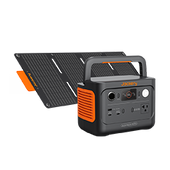
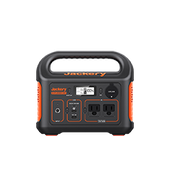
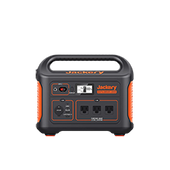
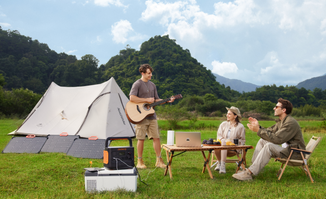
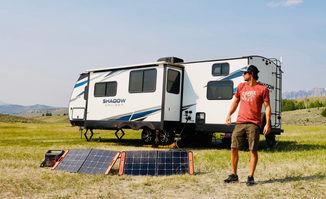
Portable power stations are the safest indoor backup solution. Unlike gas generators, units like the Jackery Solar Generator emit no fumes and are silent.
Tier 1: Mobile & Essentials Small units (under 500Wh) are sufficient for keeping smartphones, tablets, and rechargeable headlamps running.
Tier 2: Extended Home Backup for families needing to power a refrigerator, LED lights, and Wi-Fi for 1-2 days, a high-capacity portable unit is necessary.
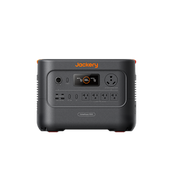
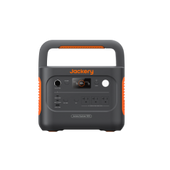
Jackery Solar Generator HomePower 3000
- Capacity: 3072Wh
- Output: 3600W (Surge Peak 7200W)
- Design: Foldable handle for easy mobility.
- Use Case: The Jackery Solar Generator HomePower 3000 is ideal for keeping essential appliances like a full-sized fridge and communication devices running during medium-duration storms.
Tier 3: Heavy Duty Multi-day blackouts require a solution capable of handling high-wattage appliances or 240V devices.
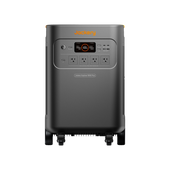
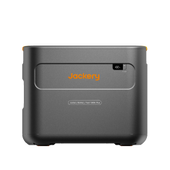
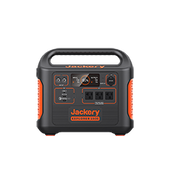
Jackery Solar Generator 5000 Plus
- Capacity: 5kWh+ (Expandable up to 60kWh)
- Output: Supports 120V/240V dual voltage (7200W Rated).
- Chemistry: LiFePO4 battery ensures a long lifespan and safety.
- Use Case: The Jackery Solar Generator 5000 Plus is capable of backing up critical circuits or larger appliances when professional installation isn't feasible.
When selecting a unit, prioritize LiFePO4 battery chemistry for longevity and pure sine wave output to protect sensitive electronics. Using a portable generator in Canada helps bridge the gap during extended winter outages.

3. Using the Hydro Quebec Outage Map and Alerts
How Do You Use the Outage Map Tool?
The hydro quebec outage map tracks service interruptions in real-time. Access the tool via a web browser or the dedicated mobile app. You can search specifically by address, postal code, or browse the power outage map to see the scope of the incident.
What Do the Map Icons and Data Mean?
Map icons indicate the number of affected clients and crew status:
- Number of clients affected: Indicates the scale of the fault.
- Cause: Lists issues like equipment failure, weather, or vegetation.
-
Crew Status:
- Assessing: A team is investigating, but repair hasn't started.
- Crew Assigned: Workers are dispatched to the site.
- Work in Progress: Repairs are actively happening.
How Accurate Are Restoration Estimates?
Restoration estimates are prioritized predictions, not guarantees. A small outage affecting 20 homes often gets fixed last, as crews prioritize hospitals, emergency services, and large circuits affecting thousands of people. If the status says Assessing, the restoration time is likely hours or days away, not minutes.
How Can You Get Proactive Alerts?
Do not wait for the lights to go out. Sign up for push notifications or text alerts through your online account. This provides real-time updates on status changes without requiring you to constantly refresh the map.
4. Safety and Survival During the Outage
What Steps Ensure Immediate Safety?
Fire Prevention: Avoid candles to prevent fire hazards. They are a leading cause of house fires during blackouts. Stick to battery-operated lanterns or flashlights.
Appliance Management: Turn off all stove elements and unplug major appliances like washers or dryers. This reduces cold load pickup—the massive surge of demand that hits the grid when power is restored, which can cause secondary outages.
Leave a Signal: Keep one light switch in the on position (both inside and outside). This signals to you and utility crews that power has been restored to your specific circuit.
How Do You Manage Heating and Air Quality?
The Carbon Monoxide Rule: Never use BBQs, propane heaters, or gas generators indoors, in basements, or in attached garages. Carbon monoxide is odorless, colorless, and fatal.
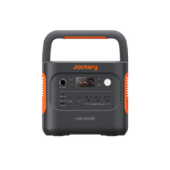
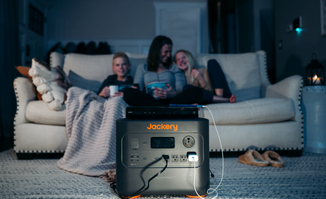
Safe Indoor Power: Battery power stations, such as the Jackery Solar Generator 3000 Pro, are safe for indoor use. The unit can power electric blankets or small space heaters to create a micro-climate of warmth. Monitor the wattage closely to extend battery life.
Conserving Heat: Close blinds and curtains to insulate windows. Isolate the family into a single warm room, preferably one that is south facing during the day. Close doors to unused rooms to trap body heat and residual warmth.
What Are the Best Practices for Food Preservation?
The Closed Door Policy: Keep refrigerator doors closed to maintain cold for 4 hours. A full freezer will hold its temperature for roughly 48 hours if the door remains closed.
Temperature Monitoring: Use a thermometer to ensure food stays below 4°C (40°F). If the hydro quebec power outage lasts longer than 4 hours, perishable food in the fridge (meat, milk, eggs) may need to be discarded. When in doubt, throw it out.
5. Recovery: What to Do When Power Returns
How Should You Reconnect Power Safely?
Wait 10 to 15 minutes before reconnecting electronics. This delay allows the voltage to stabilize.
Perform a staged start-up. Turn on the heating system first to warm the house. Once that is running stably, reconnect the refrigerator. Follow with other electronics one by one. This prevents tripping your home's breakers.
What Is the Process for Damage Assessment and Claims?
Inspect Appliances: Listen for buzzing sounds to identify appliance damage. Unusual noises from motors in your fridge or furnace might indicate surge damage sustained during the outage or restoration.
Documentation: If food has spoiled, photograph the contents of your fridge and freezer before disposal. Keep receipts for any emergency supplies purchased, such as ice, fuel, or takeout meals.
Filing a Claim: Hydro-Québec typically does not compensate for damages caused by weather events unless negligence is proven. However, check for specific relief programs announced after major storms. For food spoilage or additional living expenses (like a hotel), file a claim through your private home insurance provider.
Conclusion
We cannot control the weather, but we can control our readiness. The increasing frequency of storms in Quebec makes preparation a necessity, not a luxury. By understanding the grid, maintaining a robust emergency kit, and utilizing reliable backup power, you ensure your household remains safe and comfortable.
Bookmark the hydro quebec outage map today. Test the batteries in your emergency kit. Consider investing in a reliable solar generator before the next winter storm warning takes effect.
Sources and Further Reading
- Government of Canada - Get Prepared
- Régie de l'énergie du Québec
- Jackery Solar Generator 5000 Plus User Manual
Frequently Asked Questions
How do I report an outage if the map isn't updated?
If your outage does not appear on the map, report it immediately via the Hydro-Québec app or by calling their emergency customer service line (1 800 790-2424).
Can I use my backup power station to charge an electric vehicle?
Technically yes, but only for emergency range. A portable unit like the Jackery Solar Generator 5000 Plus can provide a few kilometers of range to reach a charging station, but it cannot fully charge an EV battery.
What if my neighbors need help but I can't leave my home?
Call them if phone lines are working, or contact emergency services (911) or municipal support lines to request a wellness check for vulnerable individuals.
Are there government grants or rebates for backup power solutions?
Generally, there are no direct federal rebates for portable generators, but some medical tax credits may apply if backup power is required for life-sustaining equipment.
How can I protect my internet and Wi-Fi during an outage?
Plug your modem and router into a portable power station or a dedicated UPS (Uninterruptible Power Supply). This keeps your internet active as long as the provider's line is functioning.


