












![[Add-on] Jackery Manual Transfer Switch for Explorer 5000 Plus](http://ca.jackery.com/cdn/shop/files/add-on-jackery-manual-transfer-switch-for-5000-plus-240V.webp?v=1757043692&width=170)












Harsh Canadian winters and humid summers make understanding HVAC systems critical. Homeowners often confuse components, leading to costly purchasing mistakes and anxiety over potential failures. This guide clarifies the basics, explains key features, and offers practical maintenance advice.
The HVAC Meaning and Core Concepts Defined
The HVAC meaning stands for Heating, Ventilation, and Air Conditioning, which is the integrated system responsible for controlling temperature, humidity, and air purity in enclosed spaces. These systems perform primary functions including heating, cooling, ventilating, and filtering pollutants to maintain a healthy indoor environment.
HVAC science relies on thermodynamics, fluid mechanics, and heat transfer principles. Modern prioritize long-term durability and adherence to strict refrigerant regulations. Understanding these core concepts helps homeowners make informed decisions about their comfort and energy consumption.
Three Pillars of HVAC: Heating, Ventilation, and Air Conditioning
How Does the Heating Component Work?
Heating systems generate thermal energy using combustion, hydronics, or heat transfer mechanisms. Furnaces burn fuel to heat air, boilers heat water for hydronic piping, and heat pumps transfer thermal energy from the outdoors. Distribution occurs via ducted air, radiators, or ductless units.
Operational efficiency depends on three factors:
- Fuel Sources: Systems utilize natural gas, electricity, oil, or propane, with natural gas often being the most cost-effective in urban areas.
- Heat Transfer: Thermal energy moves through convection, conduction, and radiation.
- Electrical Dependency: Gas furnaces require electricity to power control boards and blower fans.
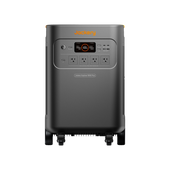
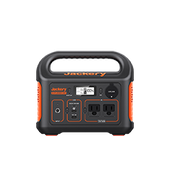
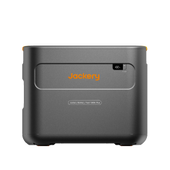
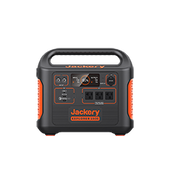
- Capacity: The unit provides a substantial 5040Wh capacity (Expandable) for extended runtimes.
- Output: This generator features 120V/240V dual voltage capability to power heavy-duty appliances.
- Use Case: The Jackery Explorer 5000 Plus is essential for backing up critical heating circuits and 240V appliances during winter power outages.

How Does Ventilation Function?
Ventilation replaces stale indoor air to manage CO2 levels, odors, and moisture accumulation. While natural ventilation relies on passive airflow through windows, mechanical systems use fans for controlled exhaust and supply.
Heat Recovery Ventilators (HRV) and Energy Recovery Ventilators (ERV) are standard for improving indoor air quality in Canadian homes. Effective IAQ combines this mechanical ventilation with high-grade filtration and humidity control. Homeowners should inspect fans and recovery cores annually to ensure the system effectively removes pollutants.
How Does Air Conditioning Cool the Home?
Air conditioning cools the home by removing heat and moisture via the refrigerant cycle. This cycle utilizes a compressor, condenser, expansion device, and evaporator to transfer thermal energy outdoors.
Cooling Types and Features
- Central ducted systems: These units provide consistent, whole-home cooling through your existing ductwork network.
- Portable units: These offer flexibility for indoor rooms, while portable air conditioners for patio and outdoor spaces extend targeted relief to exterior areas.
- Ductless mini-splits: These are ideal for homes without ductwork, offering energy-efficient, zoned cooling for specific rooms.
Heat pumps are unique because they can reverse the refrigeration cycle. This allows the heat pump to provide both heating and cooling from a single unit. Modern units feature variable-speed compressors and inverter technology, which adjust output precisely to meet demand, saving significant energy.
Key Components of an HVAC System (Homeowner Checklist)
- Heat Source: Inspect furnaces, heat pumps, or boilers for signs of wear, rust, or corrosion.
- Cooling Unit: Check compressors, fans, and refrigerant lines for potential leaks or physical damage.
- Air Handler/Ducts: Ensure proper sealing to prevent significant energy loss through leaks.
- Thermostat: Upgrade to smart thermostat models for precise temperature control and scheduling.
- Filtration: Select MERV ratings between 8 and 13 that balance particle capture with airflow needs.
- Durability: Prioritize units with soft starters and variable-speed motors to reduce mechanical stress.
Types of HVAC Systems for Canadian Homes
Are Ducted Central Systems Right for You?
Ducted central systems are the standard for homes with existing infrastructure. These systems offer consistent temperature control but require maintained ductwork to prevent energy loss. Lifespans for central systems typically range from 15 to 20 years with proper care.
When Should You Choose Ductless Mini-Splits?
Ductless mini splits are ideal for zoning, retrofits, and homes lacking ductwork. They allow for individual room temperature control, eliminating the energy loss associated with leaky ducts. These systems are highly efficient for targeted heating and cooling.
What About Hybrid and Geothermal Options?
Hybrid split systems offer a cost-effective combination of electric heat pumps and gas furnaces. Geothermal systems provide the highest efficiency and lowest operating costs, despite a high upfront investment. Urban retrofits often use ductless systems, while rural homes benefit from hybrid setups for fuel flexibility.
Energy Efficiency and Cost Considerations
How Is Efficiency Measured?
Efficiency is measured by SEER/SEER2 for cooling, AFUE for heating, and HSPF/HSPF2 for heat pumps. Higher ratings, such as SEER2 18+ or AFUE 96%+, directly correlate to lower utility bills. Understanding these metrics helps homeowners compare different units accurately.
What Affects Installation and Lifecycle?
Proper sizing and ductwork quality are just as vital as the equipment ratings themselves. Homeowners should compare upfront pricing against long-term repair and energy costs. An oversized or undersized unit will cycle frequently, reducing the system's lifespan.
Are There Incentives Available?
Federal and provincial incentive programs offer substantial rebates for energy-efficient upgrades. Government grants can significantly reduce the cost of high-efficiency heat pumps and furnaces. These programs aim to encourage energy conservation across Canada.
Indoor Air Quality (IAQ) Strategies
How Does HVAC Affect Health?
Poor IAQ exacerbates allergies, asthma, and respiratory issues. A robust strategy combines mechanical ventilation, high-efficiency filtration, and humidity control. This comprehensive approach ensures a healthier living environment for all occupants.
How Do Filtration and Humidity Control Work?
Use higher MERV filters (MERV 11-13) without choking airflow or consider HEPA options for maximum filtration. Maintain 30-50% relative humidity to prevent mold growth and alleviate dryness. Homeowners should use CO2 monitors to determine when increased ventilation is necessary.
Environmentally, heat pumps significantly lower greenhouse gas (GHG) emissions when paired with clean electricity grids. Maintenance involves keeping outdoor units clear of snow and debris to maintain airflow. However, since heat pumps stop during outages, a home standby generator protects your family during winter storms by ensuring power continuity.
Maintenance and Lifespan Expectations
How Long Do Systems Last?
HVAC lifespans vary by system type and maintenance frequency. Gas furnaces often last 15-20 years, while heat pumps typically last 10-15 years due to year-round usage. Regular maintenance extends these timelines significantly.
What Is a Proactive Maintenance Checklist?
- Schedule professional tune-ups annually to maintain warranty validity.
- Change air filters every 1-3 months based on usage intensity and pet dander.
- Clean coils and condensate drain regularly to prevent microbial growth and clogs.
What Are the Warning Signs?
Watch for rising utility bills, uneven temperatures between rooms, or strange noises. These symptoms indicate that the system requires immediate professional attention. Consider replacement if repair costs exceed 50% of the unit's current value.
Choosing the Right System and Backup Planning
How Do You Assess Your Needs?
Evaluate your specific climate zone, insulation levels, and existing ductwork infrastructure. Retrofits often benefit from ductless mini-splits, while replacements suit high-efficiency central systems.
How Do You Ensure Resilience?
Ensure heating and cooling continuity during power failures with a dedicated backup solution. A robust backup power plan is essential for Canadian winters to prevent freeze damage.
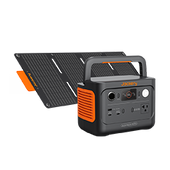
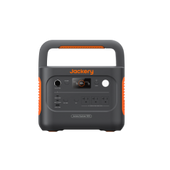
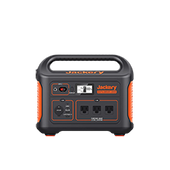
Jackery Solar Generator HomePower 3000
- Feature: This generator features cold-start capability down to -20°C (-4°F).
- Use Case: The Jackery Solar Generator HomePower 3000 is ideal for Canadian winter backups to keep the HVAC system for home controls running reliably.
Always hire licensed professionals for load calculation and installation. While home standby generators protect your family during winter storm events, a portable solution offers flexibility.
Why Is Professional Verification Important?
Always hire licensed professionals for accurate Manual J load calculations and installation. Proper sizing prevents efficiency losses and comfort issues associated with short cycling. Verified credentials ensure the work meets all safety standards and building codes.
Conclusion
Understanding the HVAC meaning and system mechanics leads to better comfort and smarter financial decisions. Prioritize proper sizing, consistent maintenance, and comprehensive IAQ strategies. Consult professionals for load calculations and check local rebates. Regular maintenance is the key to system longevity and efficiency.
Frequently Asked Questions
How do I find qualified HVAC professionals in Canada?
Look for technicians with HRAI certification and check reviews on the Better Business Bureau. Verify they are licensed for the specific fuel type (gas, oil, or electric) they are installing.
What are common HVAC scams to watch out for?
Be wary of unsolicited door-to-door sales or technicians claiming immediate danger to force a sale. Always get three written quotes and avoid companies that refuse to provide a breakdown of costs.
Can I install or repair minor HVAC components myself?
Homeowners can change filters and clean vents, but electrical and refrigerant work requires a license. DIY repairs on internal components can void warranties and pose safety risks.
How does extreme Canadian cold impact heat pump performance?
Standard heat pumps lose efficiency below freezing, requiring supplemental electric or gas heating. Cold-climate models are designed to maintain capacity down to -25°C or lower.
What should I know about refrigerants and environmental regulations?
Common refrigerants like R-410A have high Global Warming Potential (GWP) and are being phased out. Newer systems use low-GWP alternatives like R-32 or R-454B to comply with environmental regulations.


